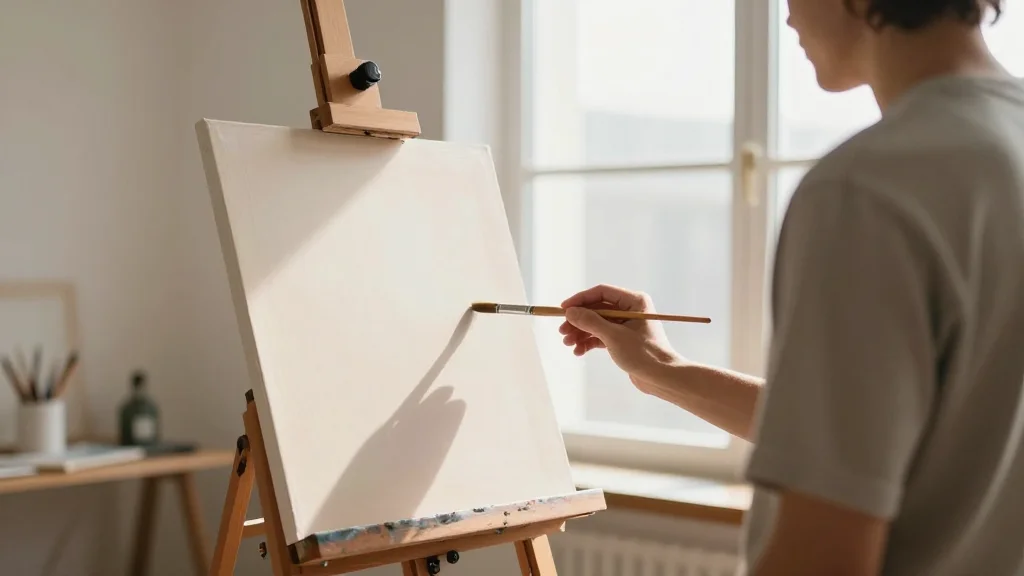
Vulnerability at the Easel: How Artists’ Studios Unlock Creative Potential

Why It Matters
The book reframes the studio not merely as a workspace but as a crucible for self‑exploration, underscoring how intentional vulnerability can catalyze breakthroughs. For the broader Human Potential field, these insights validate practices such as reflective solitude, ritualized preparation, and embracing discomfort as pathways to heightened performance. By documenting a spectrum of artistic temperaments—from Souza’s confrontational aggression to Maity’s meditative routine—the work demonstrates that vulnerability is not a one‑size‑fits‑all formula but a personal lever that, when calibrated, can expand creative capacity across disciplines.
Key Takeaways
- •Rohit Chawla’s *Portrait of an Artist* features 67 studio photographs captured without assistants or artificial lighting.
- •The book includes raw quotes from artists like F.N. Souza, revealing how pain and discomfort fuel their work.
- •Chawla shifted from a two‑decade advertising career to solitary portraiture to capture authentic moments.
- •Artists’ rituals—yoga, music, prayer—highlight the role of disciplined vulnerability in creative output.
- •The collection will tour Indian galleries for six months, inviting public engagement with the creative process.
Pulse Analysis
Chawla’s decision to abandon the safety net of advertising production mirrors a larger trend in the Human Potential arena: the move toward authenticity over polish. In corporate settings, leaders are increasingly encouraged to share failures and uncertainties to build trust, echoing the artistic vulnerability showcased in the book. This cultural shift suggests that the perceived risk of exposing weakness is being re‑evaluated as a strategic advantage.
Historically, studios have been romanticized as solitary sanctuaries, but Chawla’s lens demystifies them, revealing the mundane rituals and emotional turbulence that precede great work. This transparency could inspire new frameworks for creativity training, where structured vulnerability—such as scheduled reflection periods or controlled exposure to discomfort—is embedded into curricula. Organizations that adopt such practices may see heightened innovation, as employees learn to channel the same raw energy that drives painters and sculptors.
Looking ahead, the traveling exhibition may act as a catalyst for cross‑disciplinary dialogues, linking visual art with neuroscience, psychology, and leadership development. If the narrative of vulnerability gains traction beyond the art world, we could witness a measurable uptick in programs that teach individuals to harness their own ‘studio’—whether a physical space or mental state—to unlock untapped potential.
Vulnerability at the Easel: How Artists’ Studios Unlock Creative Potential
Comments
Want to join the conversation?
Loading comments...