Montaigne - Quit Rat Race And Enjoy Your Life (Even If You Make Less)
Philosophies for Life
Philosophies for LifeJun 8, 2026

Why It Matters

For workers and leaders facing burnout and perpetual goal-chasing, Montaigne’s framework reframes success away from status and accumulation toward time, peace of mind, and sustainable productivity — changes that can reduce turnover, improve wellbeing, and reshape career choices.

Summary

Michel de Montaigne abandoned a prestigious judicial career at 38, retreated to his family estate, and wrote the Essais while deliberately studying his own habits and priorities. He argued ambition often sacrifices present life for an uncertain future and offered practical remedies: carve an 'arrière-boutique' (a private, non‑work space or time), stop hoarding money and define what 'enough' buys you, and reduce the perceived importance of everyday crises through perspective. His advice emphasizes psychological boundaries, financial sufficiency as a tool for freedom, and simple perspective practices to deflate anxiety and chronic striving.

Original Description

In this video we will be talking about 8 Ways to Quit Rat Race And Enjoy Your Life from the philosophy of Michel de Montaigne. Michel de Montaigne was a 16th-century French philosopher
So here are 8 Ways to Quit Rat Race And Enjoy Your Life from the philosophy of Michel de Montaigne-
01. Build Your "Arrière-Boutique"
02. Stop Guarding Your Money
03. Lower the Stakes of Your Own Importance
04. Embrace Intellectual Humility
05. Travel Without a Destination
06. Practice Radical Presence
07. Seek Soul-Deep Connection
08. Confront your Mortality
We hope you enjoyed watching the video and hope this video, from the philosophy of Montaigne, helps you to quit rat race and enjoy your life.
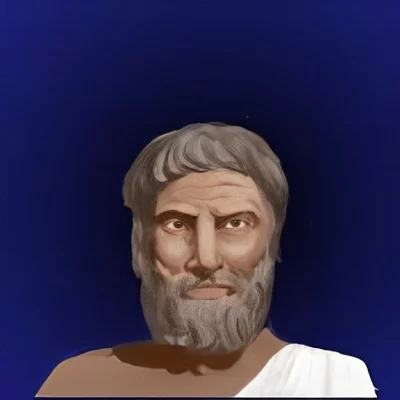
Michel de Montaigne was a 16th-century French philosopher who defined ambition not as a virtue but as an unnatural "disease of the soul" because it makes people sacrifice the life they have right now for a future that might never even happen. In 1571, right on his 38th birthday, he walked into his office and permanently resigned from his position as a judge in the Bordeaux parliament. It was exactly the kind of role Renaissance men spent their whole lives networking, scheming, and stressing out to get. He quit, moved back to his family's estate in the French countryside, and set himself up in a stone tower on the property. He built a massive library there and had 54 quotes from ancient philosophers carved into the wooden beams of his ceiling. From that point on, he spent his time studying the only subject he actually wanted to understand: himself. He observed his own habits, flaws, and everyday routines, and wrote down his thoughts about them and he called these writings Essais—which comes from the French word meaning "to try" or "to attempt" and is of course where we get the English word ‘essay’.
Narration/Audio Editing: Dan Mellins-Cohen
Subscribe To Philosophies for Life

Comments

Want to join the conversation?

Loading comments...