Today's Human Resources Pulse

Fragmented HR systems drive costly payroll errors
EY research shows a single payroll input mistake averages $291 and 20% of annual payrolls contain errors. Forrester finds 77% of organizations still rely on multiple, non‑integrated HCM platforms, fueling these mistakes. Paycom claims its unified, single‑database solution can reduce processing time by 75%, underscoring the need for integration.
How to Rebuild Trust, Teamwork and Collaboration in a Strained Culture
Episode 354 of Let’s Grow Leaders tackles the costly fallout of broken trust in workplaces. It walks listeners through diagnosing the real sources of tension, then offers a four‑part habit framework—connection, clarity, curiosity, commitment—to rebuild collaboration. The show also introduces the “No Diaper Genie” feedback technique and concrete phrases leaders can use to spark honest dialogue. By the end, managers have a toolbox of repeatable actions that can restore accountability and teamwork before dysfunction becomes permanent.

AI Isn’t Killing Offshore Accounting…This CPA Firm Just Tripled Hiring in India
Citrin Cooperman India has more than tripled its workforce, expanding from 300 to over 1,000 employees since opening a second Hyderabad office in late 2024. The firm is actively deploying AI to handle end‑to‑end accounting tasks, moving beyond traditional data‑entry...

Industry Insider: Magdalen Tsang on Why "There Is No Set Formula" For HR in a Banking World Being Redefined by...
Natixis Corporate & Investment Banking’s APAC Head of HR, Magdalen Tsang, says the bank is redefining its people strategy amid AI‑driven change. She highlights a shift from traditional hiring and payroll to talent development, wellbeing, and cultural fluency across 30 markets....
Nametag Launches Nametag Recruit, Bringing Identity Assurance to Enterprise Hiring
Nametag unveiled Recruit, a new module that authenticates job candidates throughout the hiring pipeline. The solution uses patented, non‑biometric verification and integrates natively with Workday, Greenhouse, Okta, Cisco Duo, Microsoft Entra and other enterprise systems. Recruit delivers an auditable pass‑or‑fail...

The Pentagon Still Cannot Manage Cyber Talent at Scale. Here’s the Fix.
The Department of Defense unveiled Cyber Command 2.0 at the March 2026 Cyber Workforce Summit, pledging a unified talent‑management system that ties assessment, training, assignment, performance, and retention for cyber personnel. Although the DoD already operates selection exams and a detailed qualification...

The Manager’s Lottery: Why Your Best People Are Being Overlooked
UK research commissioned by The Access Group shows that most talent decisions still rely on informal manager judgment, a phenomenon dubbed the “manager’s lottery.” Over two‑thirds of skill gaps and half of employee sentiment are identified by line managers, while...

One Great Hire Beats Three Mediocre Ones
The pressure to hire fast comes from real places — investor expectations, customer demand, team burnout. But a bad hire doesn't just cost salary. They consume the attention of your best people, slow down teams that were moving well, and...
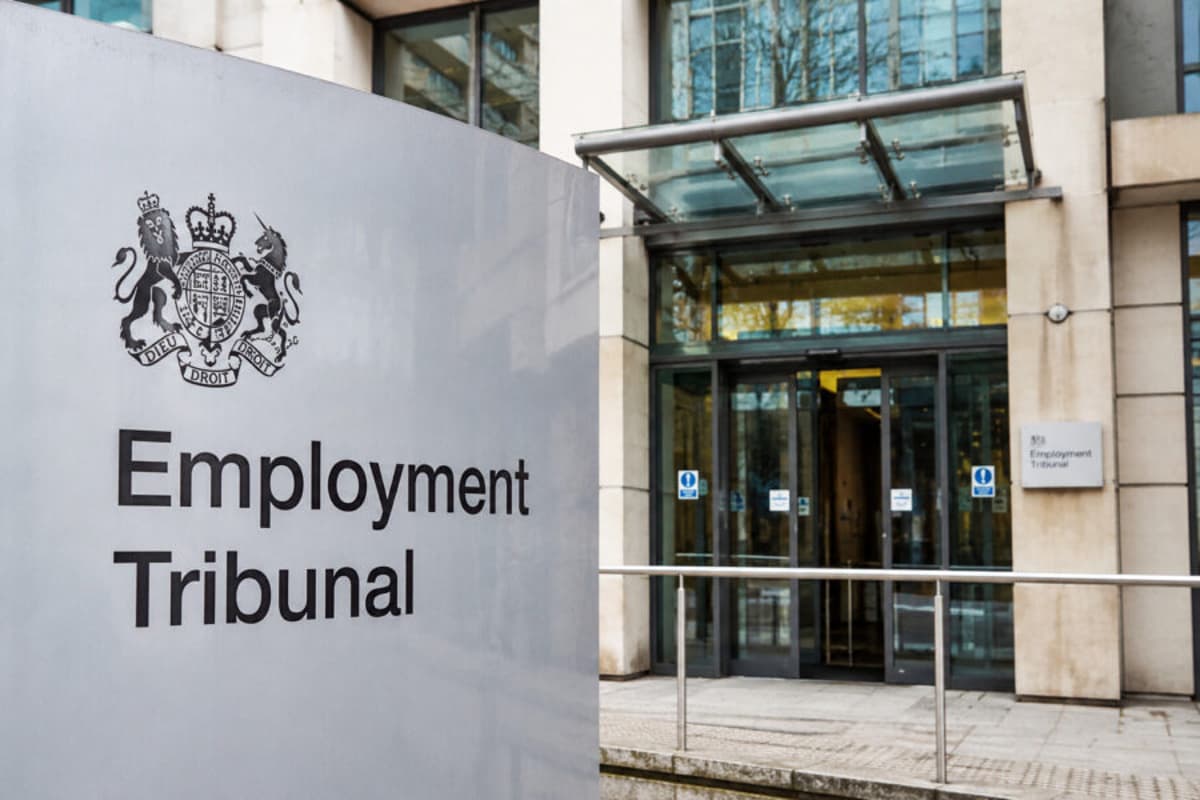
Employment Tribunal Delays Stretch Towards 2030 as Lawyers Warn System Is Nearing Collapse
UK employment tribunals are facing historic delays, with a backlog of over 65,000 cases and some hearings not scheduled until 2030. Shortages of judges and staff, combined with the 2017 removal of tribunal fees, have driven the surge. The Labour...
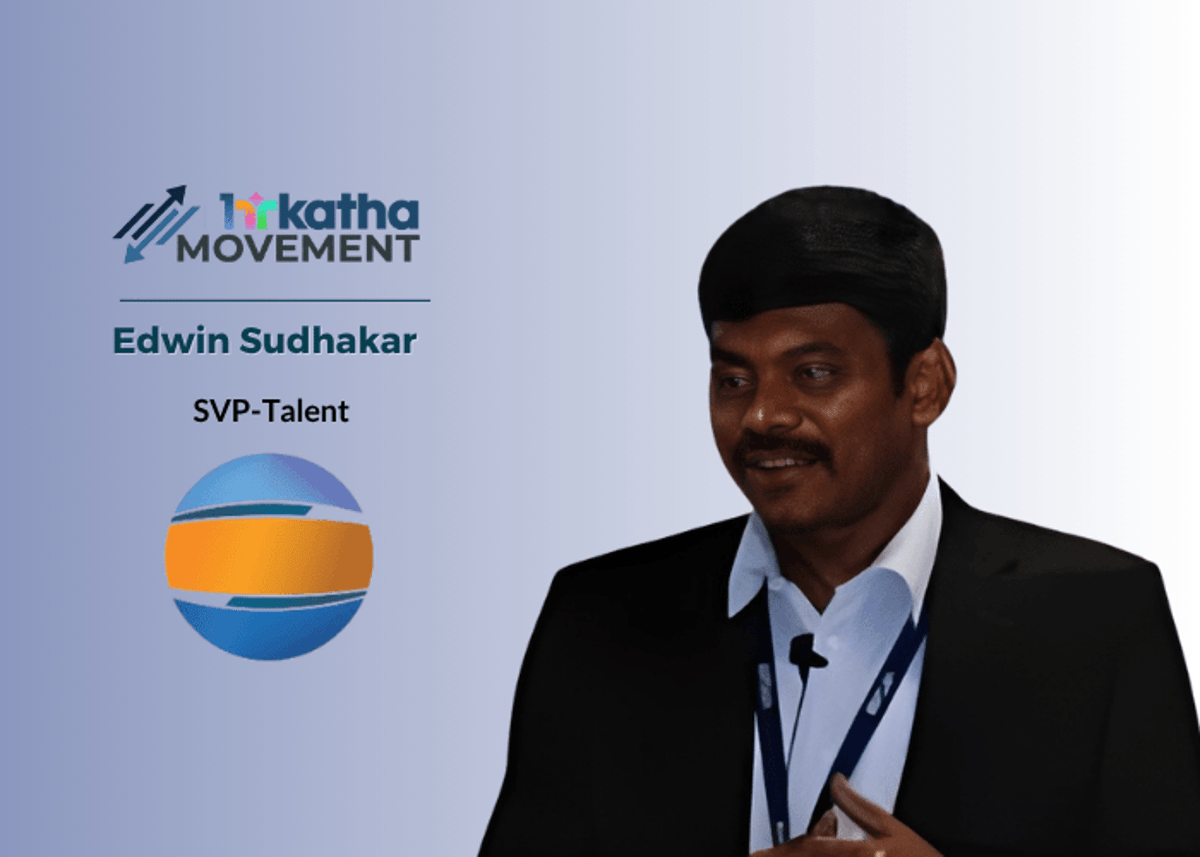
Edwin Sudhakar Returns to Saksoft as SVP-Talent
Edwin Sudhakar has rejoined Saksoft as senior vice president‑talent, marking his second tenure with the AI‑driven digital engineering firm. He previously led Saksoft’s recruitment function from February 2009 to July 2010, overseeing technical and leadership hiring. Sudhakar brings more than two decades...

AI Might Be Fueling a New Leadership Crisis
The article warns that the rapid adoption of mainstream AI chatbots such as ChatGPT, Gemini and Claude is spawning a leadership crisis. It identifies three interacting trends: leaders already overwhelmed are seeing their deep‑thinking capacity erode; AI’s built‑in agreement bias...
HRForecast 2026: Capability Will Define Employability, Credentials Will Provide Context – Sudakshina Bhattacharya, President & CHRO, HDFC ERGO General Insurance
In 2026 hiring will pivot from credential shortcuts to proof of capability, with education providing context rather than the sole decision factor. Organizations are deploying structured capability frameworks, scenario‑based assessments and AI‑driven platforms to evaluate applied skills at scale. Simultaneously,...
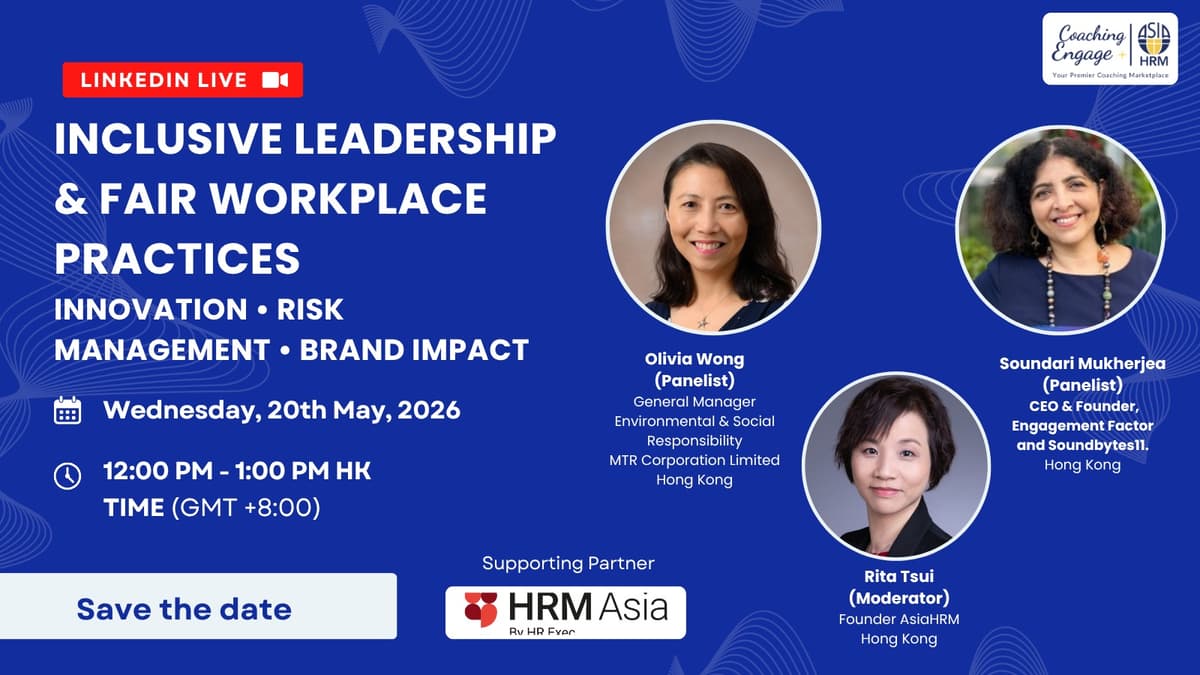
Beyond the Buzzword: What Inclusive Leadership Actually Looks Like in Practice
AsiaHRM’s LinkedIn Live on inclusive leadership reframed inclusion as a core capability, risk‑management tool, and brand differentiator. Panelists emphasized psychological safety for dissent, arguing that true inclusion means employees can respectfully disagree without fear. They illustrated how diverse, multigenerational teams...

Nayya Report Finds AI Benefits Advice Misguides Over 25% of Workers
Nayya released a survey‑based report revealing that more than half of employees who rely on generic AI for benefits questions receive incorrect guidance, and one in four who act on that advice face unexpected out‑of‑pocket costs, some exceeding $2,500. The...

Cloudflare Cuts 20% of Staff, CEO Claims AI Rendered Middle Managers Obsolete
Cloudflare announced a 20% reduction in its global workforce, targeting middle‑management and finance roles that CEO Matthew Prince labeled “measurers.” Prince argued that the company’s agentic AI platform eliminates the need for those functions, sparking debate over AI‑driven layoffs in...

Syndio Study Shows Ungoverned Pay Decisions Drain $31‑$62 Million Annually From Large Enterprises
Syndio unveiled its Decision Intelligence for Pay platform and released a study estimating that ungoverned pay decisions cost enterprises $31‑$62 million per year for a 60,000‑employee firm. The research highlights that up to 30% of new hires are overpaid and 10%...

Workday Deploys AI Agents for IT Support and Travel Booking
Workday rolled out two generative‑AI agents—Sana for IT Service Management and a new Travel Agent—designed to automate routine IT tickets and end‑to‑end travel booking. Built on the company’s Sana platform, the tools draw on existing employee data to streamline onboarding,...

HHS Shrinks Cash Awards for Top Performers, Shifting Funds to Bonuses with Less Clear Criteria
The U.S. Department of Health and Human Services is trimming performance‑based cash awards for top‑scoring employees, shifting the majority of its awards budget to “special act” incentives with looser eligibility. At the CDC, the outstanding‑performance bonus drops from 4% of...

CBA Looks to AI for Workforce Planning
Commonwealth Bank (CBA) has deployed artificial intelligence to analyze free‑text responses from its 51,000‑plus employees during annual surveys. The AI, supplied by Qualtrics, can sift through up to 100,000 unique comments, turning raw feedback into actionable insights. It also powers...

Voya CEO Highlights Benefit Gap for Caregivers and Disabled Workers
Voya Financial chief Heather Lavallee told CNBC on May 15, 2026 that caregivers and workers with disabilities are systematically excluded from employer‑provided benefits. She urged employers to integrate ABLE accounts, a tax‑advantaged savings tool, into benefits packages to close the...

Cornerstone Unveils AI‑Driven Platform Reinvention to Transform Corporate Learning
Cornerstone, the $1 billion‑revenue leader in corporate learning technology, announced a comprehensive AI‑powered redesign of its platform. The move targets its 7,000 enterprise customers and 140 million users as the industry shifts away from traditional course‑centric models.
Dina Mastellone Discusses Handling Gossip in the Workplace
Dina Mastellone, a senior employment attorney, explains how companies can curb harmful workplace gossip by training managers, establishing clear policies, and fostering a transparent culture. In her piece for Health Payer Specialist, she emphasizes that proactive measures not only improve...

Amazon Connect Expands Beyond Call Center to Enterprise Touchpoints
Amazon Connect is no longer just a contact center solution. With new expansions into supply chain, healthcare EHR augmentation, and high-volume recruiting, AWS is targeting high-engagement touchpoints across the entire enterprise. Analysis here: https://t.co/sAseu3NKdj #CIO #Cloud #AI #CX #SupplyChain #HealthTech

Seeing High Turnover for Supply Chain Jobs? Start by Fixing Your Hiring Process
Supply chain turnover is soaring—26‑28% in manufacturing and nearly 49% in warehousing—well above the national average. The article argues that most early exits stem from hiring missteps rather than post‑hire programs. Wrong skills, cultural misfit, and unrealistic job expectations create...

Civil Servants to Get 3.5% Pay Rise
The UK Cabinet Office has set a 3.5% pay uplift for civil servants in the 2026‑27 pay remit, giving departments flexibility to allocate the increase based on workforce needs. Unions welcomed the headline rise but criticised the absence of a...

7 Stories on the State of Pay in the Workplace
A recent Enhancv analysis of 1,000 full‑time employees who hold multiple jobs shows the traditional 3‑5% annual raise no longer motivates workers. More than half say they would need a 21%‑50% salary increase to give up a second full‑time role,...

Bolt CEO Cuts HR Department and 30% of Staff in Aggressive Turnaround
Bolt Financial's chief executive Ryan Breslow announced the removal of the entire human‑resources department and a 30% headcount reduction, shrinking the company to roughly 100 staff. The move follows a steep valuation drop from $11 billion to about $300 million and reflects...

Behind the Idea: Payfit
PayFit, a European SaaS payroll and HR platform, now employs over 700 staff across the UK, France and Spain and supports more than 20,000 SMEs, processing payroll for roughly 250,000 employees. Founded in 2015 to replace manual, Excel‑based payroll, the...

Forget Recruiting: Why Your HR Team Needs to Master the Art of ‘Seduction’ to Win Top Talent in 2026
HR teams are being urged to move beyond traditional recruiting and adopt a “seduction” mindset to win talent that is clinging to current jobs amid economic uncertainty and AI‑driven disruption. At a recent SHRM event, Jim D’Amico highlighted the need...
Humanly Raises $25M Series B to Help Companies Hire Faster, Retain, and Stay Fully Staffed
Humanly announced a $25 million Series B round led by SEEK Investments, Drive Capital, MassMutual Catalyst Fund and Zeal Capital Partners. The Seattle‑based AI hiring platform engages more than 250,000 candidates each month and has conducted over five million interviews, delivering up...
Cara Joins Microsoft Teams: Structured Interviews Without Switching Apps
SocialTalent’s AI hiring assistant Cara now lives natively inside Microsoft Teams, letting interviewers pull up interview plans, questions, scoring rubrics and real‑time transcription in a single pane. The integration automatically captures candidate statements, maps them to evaluation criteria, and generates...
Talent Acquisition Leader Launches Career Capital. An AI-Powered Platform to Help Professionals Document and Leverage Workplace Achievements
Career Capital, founded by senior talent‑acquisition executive Orlando Haynes, launched an AI‑powered platform that lets professionals capture, quantify, and showcase workplace achievements in real time. The service offers AI‑guided prompts, impact‑focused workflows, and automatically generated career narratives, all housed in...

Why Local Market Expertise Matters More Than Ever in Digital Hiring: What You Might Not Know
Local market expertise is becoming a decisive factor in digital hiring as firms recognize that technology alone cannot replace regional knowledge. Companies that understand local talent ecosystems see lower operating costs, higher acceptance rates, and stronger retention, while misaligned location...

The $10 Trillion Problem: Why Employee Disengagement Is Skyrocketing and What It’s Costing Your Business
Gallup’s 2025 State of the Global Workplace shows employee engagement slipping to a historic low of 20%, with 80% of workers worldwide reporting disengagement. The decline translates into an estimated $10 trillion in annual productivity losses, and each percentage‑point drop adds...

Feds, Home Care Company Eye $3M Deal to End Overtime, Misclassification Claims
Amazing Care Home Healthcare Services agreed to a $3 million settlement to resolve Department of Labor claims that it misclassified 284 workers as independent contractors and failed to pay overtime. The DOL investigation estimated roughly $6 million in unpaid overtime owed to...

Employers Urged to Overhaul Medical Leave Support as Study Reveals Gaps
A March 2026 study of 30 employees and 18 HR professionals finds that two‑thirds of American workers have access to paid medical leave, but fear of job loss and income loss still drive many to work while ill. Researchers recommend...

Contrario Launches AI‑agent Recruiting Platform with $6M ARR and $2.3M Seed Round
San Francisco startup Contrario unveiled its AI‑agent recruiting platform, announcing a $6 million annualized revenue run rate, a $2.3 million seed round led by Nexus Venture Partners, and over 200 client companies. The founders say the hybrid model pairs expert recruiters with...
Millions Want to Work. Workforce Systems Were Never Built for Them.
Enabled Talent unveiled the Workforce Inclusion Network (WIN), an AI‑powered platform that unifies employers, universities, governments and underserved talent into a single, accessibility‑first system. The solution lets job seekers create one verified profile that captures credentials, work preferences and accommodation...

Cangrade Expands UKG Partnership, Putting Predictive Hiring Within Reach for Small and Mid-Sized Businesses
Cangrade announced an expanded partnership with UKG, adding its AI‑driven candidate screening to UKG Ready, the HCM suite aimed at small and mid‑sized businesses. The integration lets employers embed predictive performance insights directly into existing HR, payroll and talent workflows,...

How to Prevent Employee Burnout: The Essentials
Employee burnout is a growing concern for CHROs, driven in part by the always‑on expectations of digital tools. The article highlights how technology can both exacerbate stress—through constant video calls and messaging—and serve as a mitigation tool when used wisely....

3 Questions That Signal You’re in the Wrong Leadership Role (and What They Actually Reveal)
The article outlines three self‑assessment questions that help leaders determine whether their current role fits their strengths. It explains that misalignment often shows up as excessive effort, high performance without fulfillment, or a mismatch between desired leadership style and actual...

Cornerstone Launches Cornerstone Workforce AI™, the Intelligence Platform for Workforce Readiness Built to Amplify Human Potential Exponentially with AI
Cornerstone OnDemand unveiled Cornerstone Workforce AI™, an intelligence platform that fuses two decades of workforce data, a People Graph and a Skills Engine to deliver real‑time insights for talent strategy. The solution leverages AI‑driven Readiness Agents that automate skill‑gap analysis,...

TCS Clarifies Salary-Revision Framework Amid Employee Concerns over CTC Changes
Tata Consultancy Services (TCS) clarified that its latest salary‑revision framework has not reduced any employee’s gross or take‑home pay. The changes, introduced during the FY26 appraisal cycle, adjust the composition of cost‑to‑company (CTC) to comply with India’s evolving labour codes....

Deloitte Survey: 6% of Gen Z, Millennials Seek Flexible Leadership, HR Rethinks
Deloitte’s Global 2026 Gen Z and Millennial Survey of 22,500 respondents in 44 countries reveals that just 6% of younger workers list becoming a leader as their primary career goal. The finding is pushing HR leaders to redesign leadership pipelines...

How to Identify a Toxic Culture and 13 Ways to Fix It
Toxic workplace culture, once hidden, is now quantified by data showing millions of daily incivility incidents and a 10% employee exposure rate. Leaders who prioritize accountability over short‑term results risk burnout, disengagement, and costly turnover. Research from SHRM and MIT...

Dubai Shipping Hub Faces Talent Drain as Veterans Eye Greece Amid Middle‑East Conflict
Western ship‑owners and maritime professionals based in Dubai are weighing relocation to Greece and Cyprus after the US‑Israeli war on Iran trapped about 2,000 vessels in the Gulf. The exodus highlights growing doubts about Dubai’s reliability as a logistics hub...

Analysis-Samsung's Deal with Union Hailed as a Victory as Bonuses Less Generous than SK Hynix's
Samsung Electronics reached a government‑mediated pay deal with its chip‑worker union, averting an 18‑day strike by 48,000 staff and sending the stock up 8.5% to a record high. The agreement gives all chip employees a cash bonus equal to 50%...
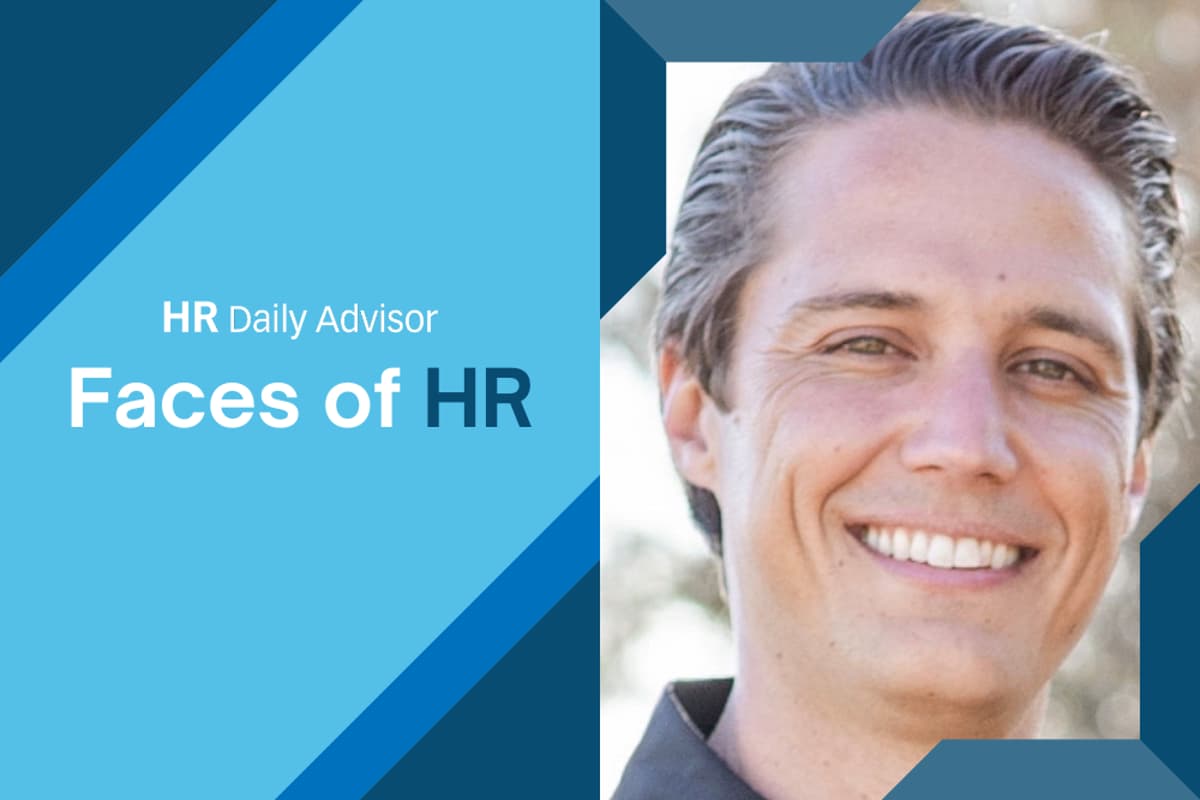
Faces of HR: How Brandon Roberts Is Rewriting the HR Playbook with Data
Brandon Roberts, ServiceNow’s SVP of Talent Strategy & Workforce Transformation, is championing a data‑first approach to human resources. He argues that blending analytics with empathy enables organizations to move beyond guesswork and make talent decisions that boost engagement and performance....

RTÉ’s Pay Transparency Scrutiny Exposes Gaps in Compensation Data
RTÉ’s director general and deputy director faced a parliamentary committee on May 20, 2026, after questions revealed that the broadcaster’s pay structures hide true earnings of top talent, underscoring a broader HRTech challenge of inadequate compensation data and justification.

Intuit Slashes 3,000 Jobs (17% of Staff) Ahead of Earnings, Cites AI Push
Intuit disclosed plans to eliminate roughly 3,000 positions, about 17% of its global workforce, as it prepares to release Q3 2026 earnings. The cuts are framed as a move to simplify the company and accelerate its AI strategy, but they...

UK Risks Falling Behind in AI Hiring Revolution
A YouGov survey for HireRight shows UK HR leaders are markedly more cautious about AI in recruitment than peers in India, Brazil, Singapore and other markets. Only 18% of UK respondents expect AI to increase hiring volumes by 2026, compared...