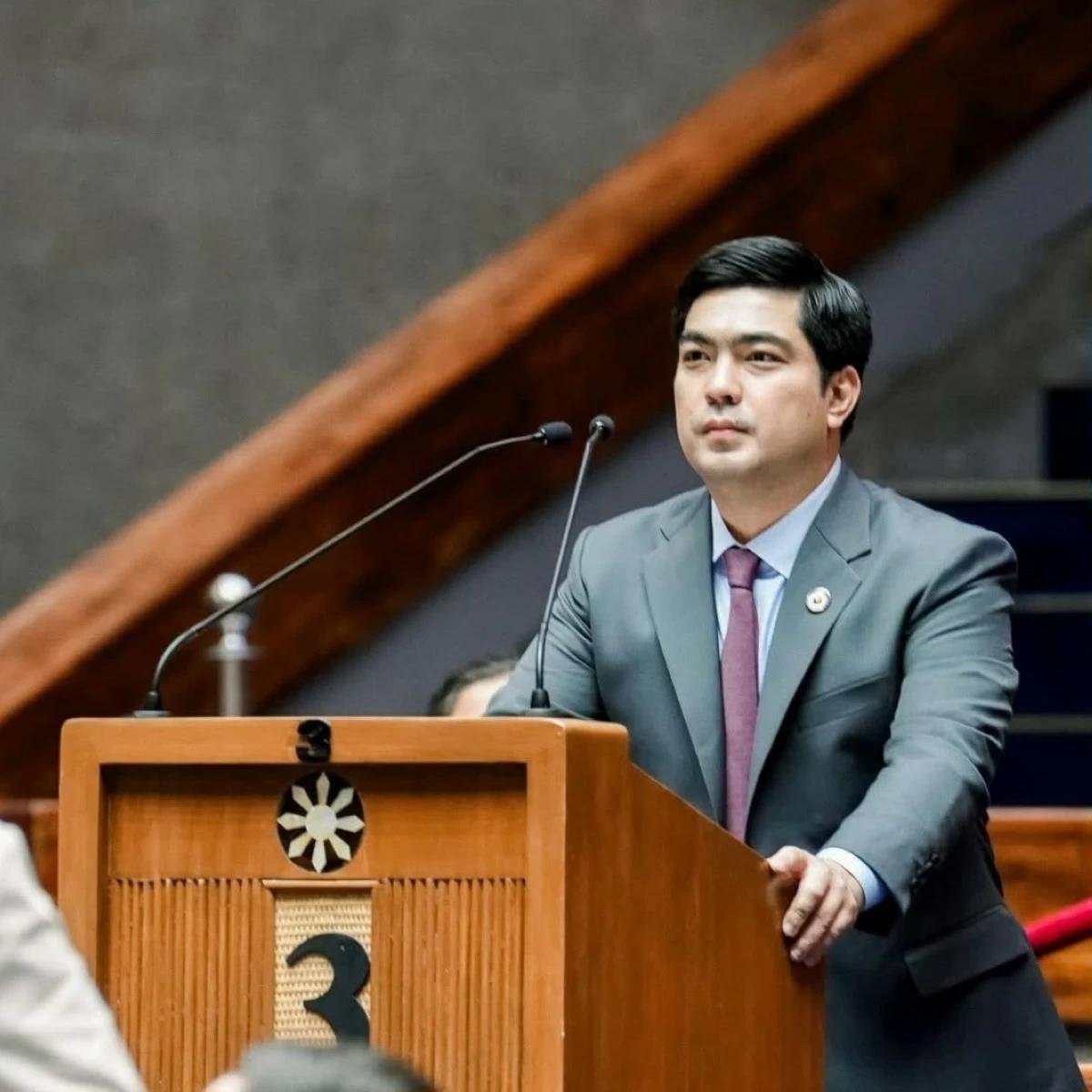
Barangay Skilled Workers Registry Act Gets Penultimate House Nod
•March 4, 2026
0
Why It Matters
By institutionalizing grassroots labor data, the act could accelerate employment matches and inform targeted skills development, strengthening the Philippines’ informal sector integration.
Key Takeaways
- •Barangay registries to list voluntary skilled workers nationwide
- •Registry integrates with DOLE, PSA, TESDA databases
- •No fees; registration remains free and voluntary
- •Aims to speed job matching and identify skills gaps
- •Expected final approval next week
Pulse Analysis
The Philippines’ labor market is heavily weighted toward informal and semi‑formal trades, where millions of carpenters, electricians, welders and caregivers operate without formal employer linkages. Existing national databases capture only a fraction of this talent pool, creating a blind spot for policymakers and recruiters. By requiring barangays—the smallest administrative units—to catalog these workers, the new legislation fills a critical data gap, offering a granular view of skill distribution that mirrors successful community‑based registries in other emerging economies.
Beyond mere enumeration, the act embeds the registry within a digital ecosystem that syncs with the Department of Labor and Employment, the Philippine Statistics Authority and TESDA. This interoperability promises real‑time labor market intelligence, enabling local governments to pinpoint skill shortages and coordinate training programs with precision. Employers gain a transparent, publicly accessible source to source talent locally, reducing recruitment costs and travel time. Moreover, the voluntary, fee‑free nature of the registry lowers entry barriers, encouraging broader participation from workers who lack formal certifications but possess valuable on‑the‑job expertise.
If enacted, the Barangay Skilled Workers Registry could reshape employment dynamics by shifting job matching from ad‑hoc, word‑of‑mouth methods to data‑driven processes. However, successful implementation will hinge on barangay capacity to maintain up‑to‑date records and on robust digital infrastructure to ensure seamless integration with national platforms. Monitoring outcomes will be essential to gauge whether the registry delivers measurable gains in placement rates and skill‑training alignment, setting a precedent for other decentralized labor initiatives across the region.
Barangay Skilled Workers Registry Act gets penultimate House nod
0
Comments
Want to join the conversation?
Loading comments...