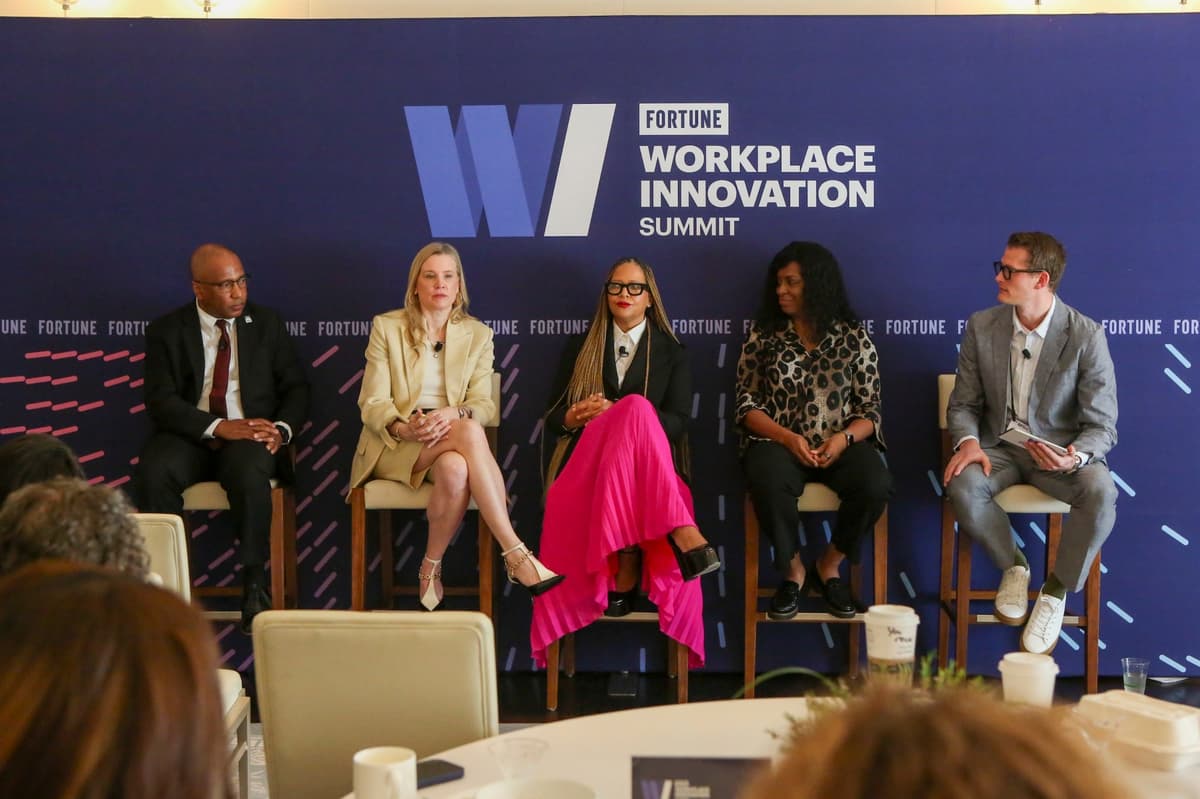
Beyond the Diploma: Skills that Actually Get Graduates Hired
Companies Mentioned
Why It Matters
The shift away from credential‑only hiring threatens graduate employability and forces both firms and schools to redesign talent pipelines, impacting talent supply across the economy.
Key Takeaways
- •Entry‑level jobs now demand mid‑level technical expertise
- •Cultural fit has become the decisive hiring factor
- •Critical thinking, adaptability, and communication top graduate skill priorities
- •Community colleges and micro‑credentials are filling the skills gap
- •AI‑driven screening risks excluding qualified candidates without human oversight
Pulse Analysis
The current hiring climate is being redefined by AI‑driven automation, which has eliminated many traditional entry‑level positions. Employers now expect new hires to arrive with competencies that previously required on‑the‑job learning, effectively raising the baseline for junior roles. This escalation creates a talent bottleneck for recent graduates, who must compete for positions that demand mid‑level technical acumen while still lacking real‑world experience.
In response, corporations are shifting toward skills‑based hiring models that prioritize cultural alignment and soft skills such as problem‑solving, critical thinking, and communication. PepsiCo, for example, is redesigning its internship program to give candidates exposure to multiple projects and supervisors, while also using AI agents to redirect rejected applicants to alternative roles. Simultaneously, firms are investing in micro‑credential and community‑college partnerships to fast‑track skill acquisition, recognizing that traditional four‑year degrees no longer guarantee employability.
The broader ecosystem—universities, employers, and students—must collaborate to close the gap. Early internships, place‑based training at HBCUs, and scalable apprenticeship programs provide practical experience that bridges theory and practice. However, reliance on AI screening tools without human checks can inadvertently filter out qualified talent, underscoring the need for balanced, human‑centric hiring processes. By aligning education pathways with evolving skill demands, the workforce can adapt to AI’s impact while preserving opportunities for the next generation of graduates.
Beyond the diploma: Skills that actually get graduates hired
Comments
Want to join the conversation?
Loading comments...