China Needs Higher Minimum Wages
Why It Matters
Raising the minimum wage could reduce overtime dependence, increase disposable income, and support China’s goals of stronger consumption and higher birth rates.
Key Takeaways
- •Non‑agricultural workers log ~2,500 hours annually
- •Rural migrants often work close to 3,000 hours yearly
- •60‑hour weeks limit consumer spending and family time
- •Government ties wage hikes to consumption and fertility goals
- •Higher minimum wages may push firms toward automation
Pulse Analysis
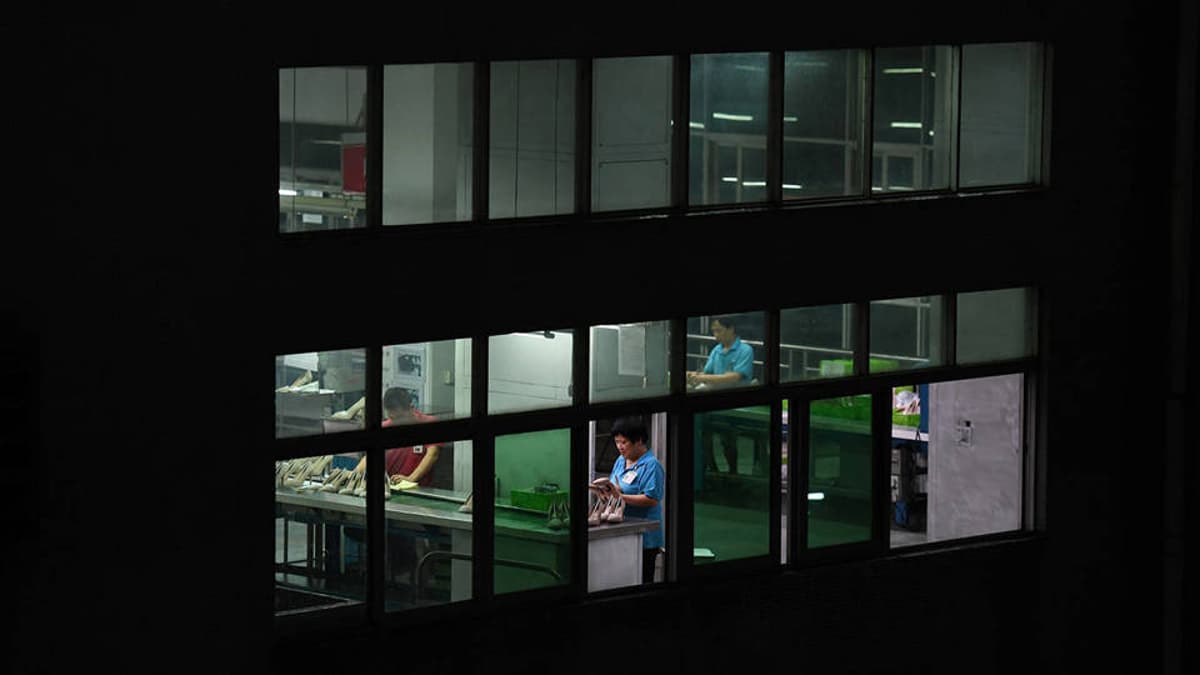
China’s labor market has long been defined by marathon work schedules, with blue‑collar employees—especially rural‑to‑urban migrants—clocking close to 60 hours each week. This intensity stems from a historic push for rapid industrial catch‑up, but it now collides with a demographic reality: a shrinking birth rate and a nascent middle class that needs time and money to consume. The overtime grind leaves workers exhausted, limiting discretionary spending and reducing the pool of potential parents, thereby hampering the government’s twin objectives of boosting domestic demand and raising fertility.
In response, Beijing is contemplating a significant hike to the statutory minimum wage. The policy aims to make overtime less financially necessary, encouraging firms to rely more on productivity gains and automation rather than sheer labor hours. Higher base wages would increase household disposable income, a critical lever for stimulating retail, services, and housing markets that have slowed under a savings‑heavy consumption model. Moreover, by improving work‑life balance, the government hopes to make family formation more attractive, addressing the long‑standing concern of an aging population and a declining labor pool.
If implemented, the wage reform could reshape China’s growth trajectory. Companies may accelerate investment in robotics and AI to offset higher labor costs, potentially spurring a new wave of technological adoption. Workers, meanwhile, could see better living standards and more leisure time, feeding a virtuous cycle of consumption and demographic renewal. However, the policy must balance wage inflation against regional cost‑of‑living disparities to avoid unintended unemployment spikes. Observers will watch closely as China tests whether higher wages can indeed convert excess labor hours into sustainable economic and social benefits.
China Needs Higher Minimum Wages
Comments
Want to join the conversation?
Loading comments...