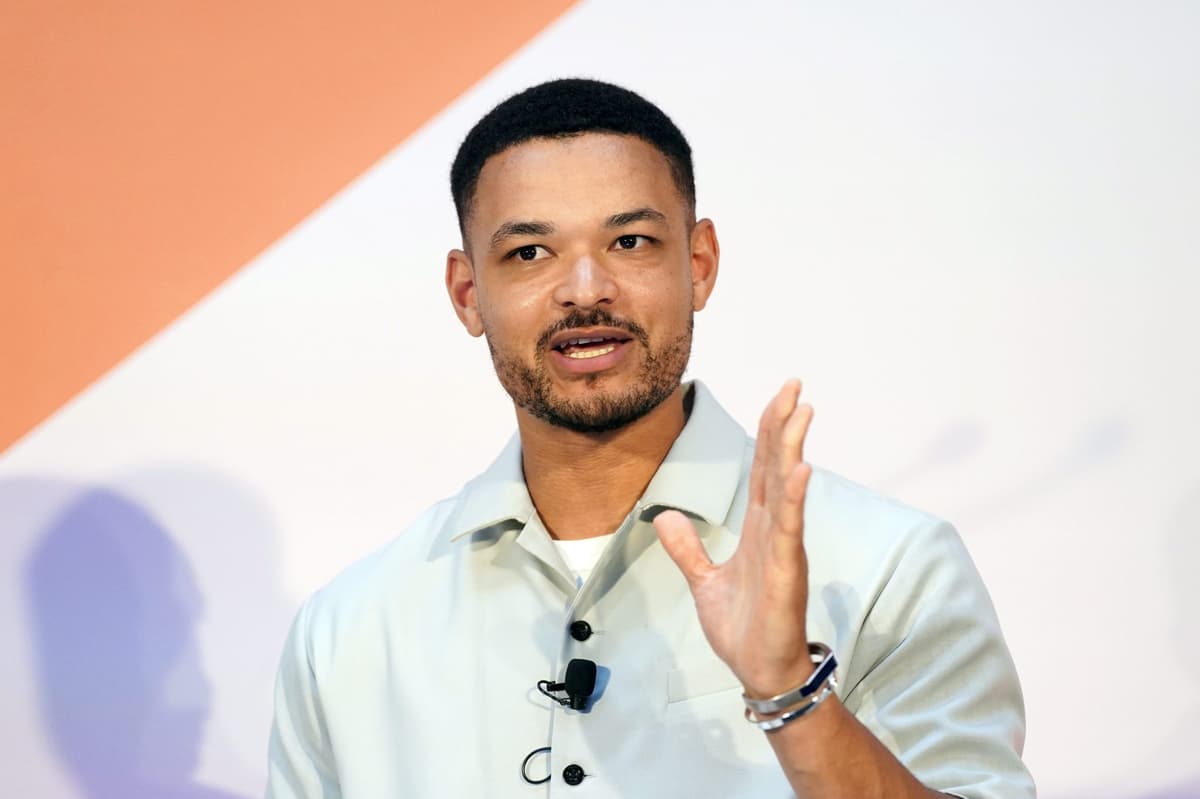
Diary of a CEO Founder Says He Hired Someone with ‘Zero’ Work Experience because She ‘Thanked the Security Guard by Name’ Before the Interview
Companies Mentioned

Why It Matters
Emphasizing character over credentials reshapes hiring, unlocking talent that traditional metrics overlook and strengthening long‑term cultural cohesion.
Key Takeaways
- •Bartlett hired a candidate with zero experience after she thanked the guard.
- •Humility and self‑learning proved more valuable than credentials in six months.
- •CEOs like Goldman Sachs, Shake Shack, Berkshire Hathaway prioritize character over pedigree.
- •Culture fit and human skills are harder to assess than resumes.
- •Entry‑level talent can secure roles by demonstrating curiosity and empathy.
Pulse Analysis
The hiring narrative around Steven Bartlett illustrates a broader shift in talent acquisition: firms are moving away from résumé‑centric screens toward observable behaviors that signal cultural alignment. Bartlett’s LinkedIn post highlighted a simple act—addressing a security guard by name—as a proxy for humility and respect, traits he found more predictive of performance than any degree. Within six months the employee’s proactive learning and delivery of results validated this intuition, reinforcing the idea that soft skills can be a faster, cheaper predictor of success than costly credential verification.
Bartlett’s approach mirrors the philosophies of other high‑profile CEOs. Goldman Sachs’ David Solomon talks about hiring the "smart enough" rather than the smartest, emphasizing resilience and human connection. Shake Shack founder Danny Meyer prioritizes a "hospitality quotient"—integrity, optimism, curiosity, work ethic, empathy, self‑awareness—over raw IQ. Even Warren Buffett has publicly dismissed educational pedigree in favor of character and practical experience. Together these leaders signal a market‑wide re‑evaluation of talent pipelines, prompting HR teams to redesign interview frameworks, incorporate situational assessments, and measure cultural fit with the same rigor once reserved for technical competencies.
For job seekers, the message is clear: authenticity and demonstrable curiosity now outweigh polished diplomas. Candidates can differentiate themselves by showcasing real‑world problem‑solving, acknowledging knowledge gaps, and following up with concrete learning outcomes. Companies that embed these criteria into hiring processes stand to benefit from a more diverse, adaptable workforce, while reducing turnover linked to mis‑aligned expectations. As the talent war intensifies, the ability to signal humility, empathy, and a growth mindset will become a decisive competitive advantage.
Diary of a CEO founder says he hired someone with ‘zero’ work experience because she ‘thanked the security guard by name’ before the interview
Comments
Want to join the conversation?
Loading comments...