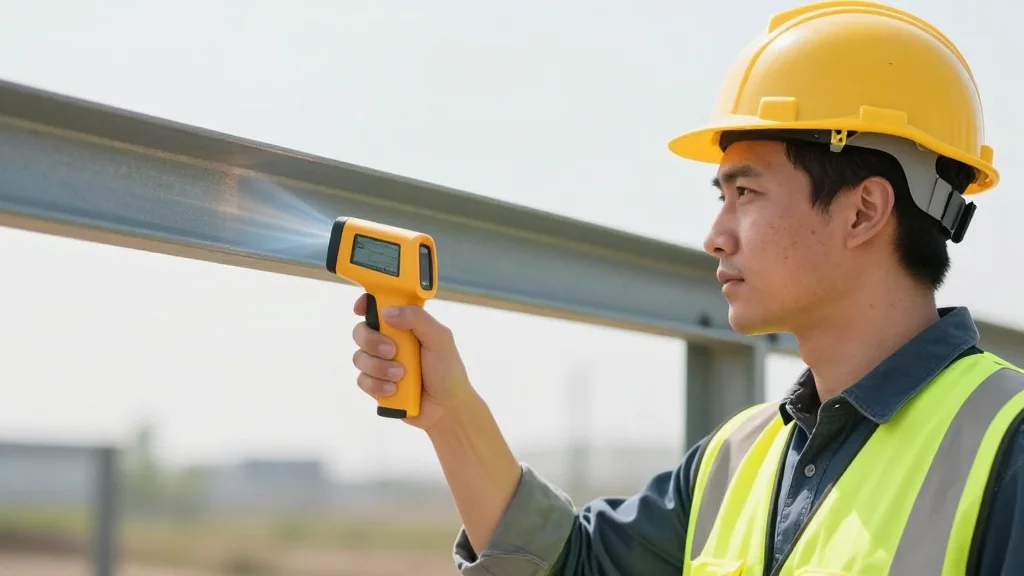
Employers Face ‘Patchwork’ of Heat Regulations for Workers
Why It Matters
The fragmented regulatory landscape raises compliance costs for multistate employers and underscores the urgency for a uniform federal heat‑safety rule to protect workers and reduce injury risk.
Key Takeaways
- •Virginia joins nine states with heat‑illness prevention rules
- •Employers must navigate differing state standards through 2028 deadline
- •OSHA lacks final federal rule, increasing compliance complexity
- •Heat standards cut injuries 15‑27% in key industries
- •Multistate firms may adopt toughest state rule to stay compliant
Pulse Analysis
Rising summer temperatures have pushed state governments to act where federal guidance lags. Virginia’s new legislation, signed by Gov. Abigail Spanberger, tasks the Safety and Health Codes Board with crafting comprehensive heat‑illness protocols by 2028, mirroring moves in Illinois, Colorado, and other jurisdictions. The rule mandates access to water, scheduled rest breaks, training, and emergency response plans for both indoor and outdoor workers, reflecting a broader trend of state‑level occupational safety initiatives as climate change intensifies workplace hazards.
For employers, especially those operating across multiple states, the expanding mosaic of regulations creates a compliance labyrinth. While many firms default to the most stringent state requirements, variations in break frequency, shade provisions, and documentation standards can make a single, unified policy elusive. OSHA’s renewed heat‑enforcement focus—targeting complaints, hospitalizations, and fatalities—adds another layer of scrutiny, compelling companies to maintain detailed records of water provision, cooling resources, and training. Legal counsel warns that mismatched state rules may expose firms to penalties even when they meet the toughest standards, prompting a strategic shift toward comprehensive, adaptable safety programs.
Empirical evidence underscores the value of these standards. A Workers Compensation Research Institute study linked California’s pioneering heat rule to 15‑27% reductions in injuries across construction, agriculture, and transportation sectors. Beyond heat‑specific ailments, elevated temperatures impair cognition and increase accident risk, amplifying overall safety concerns. While a federal heat‑safety rule would streamline compliance, state initiatives are unlikely to disappear, and they often exceed any future federal baseline. Companies that proactively integrate robust heat‑mitigation measures stand to lower injury rates, avoid regulatory fines, and enhance workforce resilience in an increasingly hot climate.
Employers face ‘patchwork’ of heat regulations for workers
Comments
Want to join the conversation?
Loading comments...