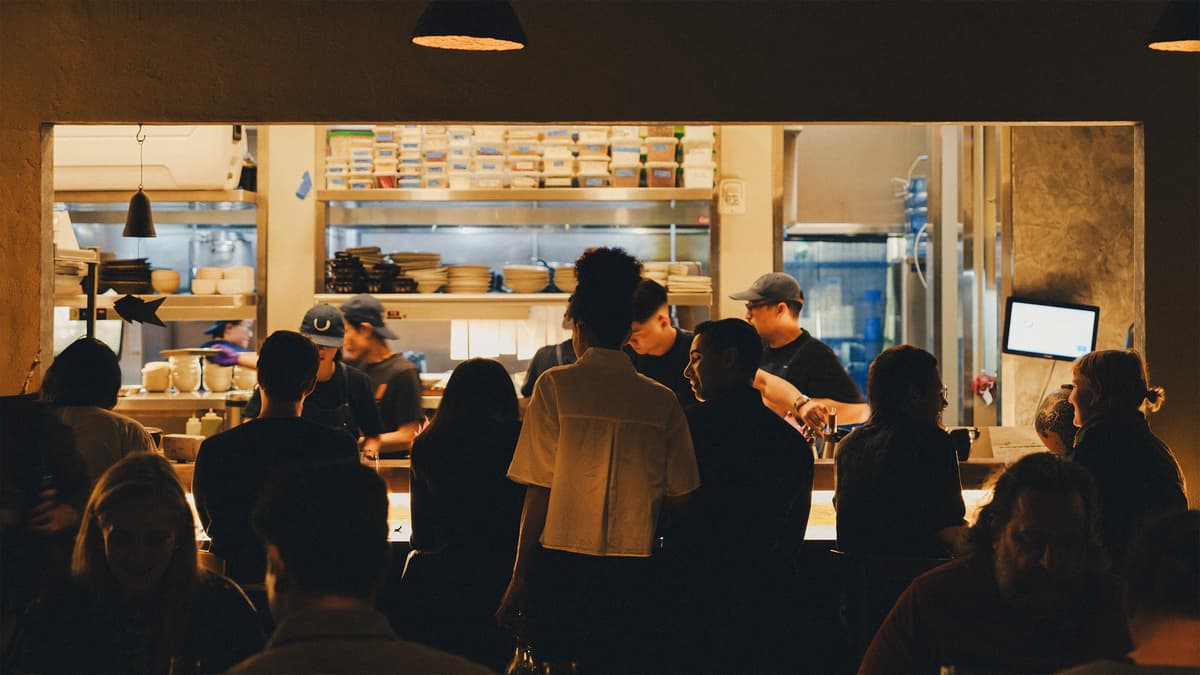
‘The Perfect Kitchen Is Where There Is No Fear.’ Seven Global Chefs Share Their Tips for Running a Successful Restaurant
Why It Matters
Creating safe, supportive kitchens improves staff retention, boosts creativity, and aligns restaurants with growing consumer demand for ethical business practices, ultimately strengthening the industry's long‑term profitability.
Key Takeaways
- •Baroo pays cooks above market and caps weekly hours at 40.
- •Attica adopts profit‑sharing and weekly staff speeches to build empathy.
- •Masala y Maíz uses open‑book finances and annual staff assemblies.
- •Kenji López‑Alt bans anger‑driven shouting and designs ergonomic workspaces.
- •Asma Khan runs a flat‑pay kitchen staffed exclusively by South Asian women.
Pulse Analysis
The restaurant sector has long been romanticized as a high‑pressure crucible where talent thrives on adversity. Recent reports of violence and intimidation at Noma shattered that myth, exposing a systemic problem that extends beyond a single flagship venue. As diners become more socially conscious, the industry faces mounting pressure to demonstrate that culinary brilliance does not have to be built on fear. This cultural reckoning is prompting chefs to rethink leadership models and prioritize mental health, diversity, and equitable treatment as core business objectives.
Across continents, innovative restaurateurs are translating these ideals into actionable policies. In Los Angeles, Baroo guarantees above‑market hourly wages and a strict 40‑hour workweek, while Attica in Melbourne couples profit‑sharing with weekly staff speeches that foster vulnerability and empathy. Mexico City’s Masala y Maíz practices open‑book accounting and holds annual staff assemblies to co‑create operational rules, ensuring transparency and shared ownership. Chef Kenji López‑Alt redesigns kitchen ergonomics and enforces a zero‑tolerance rule on angry shouting, while London’s Asma Khan eliminates hierarchical pay, empowering an all‑women team with equal wages and collective decision‑making. These concrete steps illustrate a shift from authoritarian brigades to collaborative ecosystems.
The business implications are profound. Studies show that fair compensation, reasonable hours, and inclusive cultures reduce turnover, lower training costs, and enhance customer satisfaction—key drivers of profitability in a sector where margins are thin. Moreover, ethical practices attract talent eager to work for purpose‑driven brands, giving restaurants a competitive edge in a tight labor market. As investors and consumers increasingly value sustainability and social responsibility, chefs who embed these principles into their operations are poised to set new standards for success, proving that the perfect kitchen truly is one where fear has no place.
‘The perfect kitchen is where there is no fear.’ Seven global chefs share their tips for running a successful restaurant
Comments
Want to join the conversation?
Loading comments...