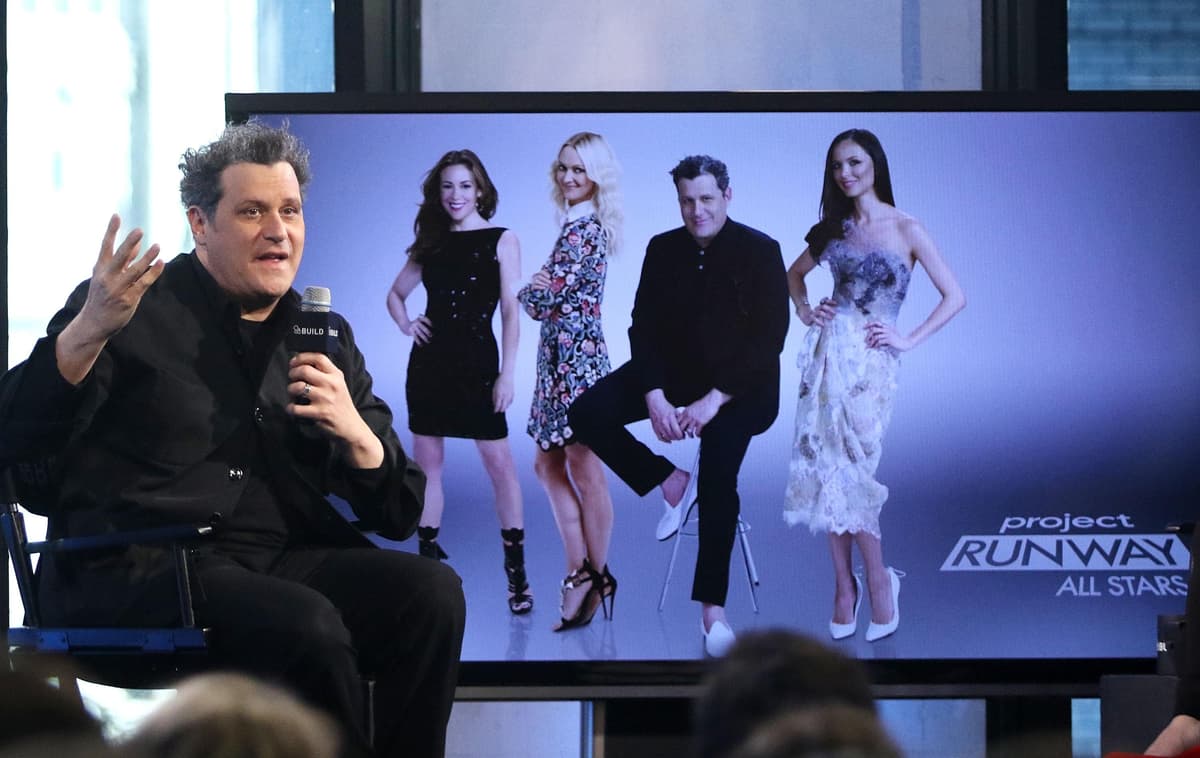
Walmart, Gap, Target Hire Project Runway Judges In A K-Shaped Economy
Companies Mentioned
Why It Matters
Embedding luxury designers gives mass merchants a durable brand halo, helping capture high‑income shoppers while countering price‑driven competition from fast‑fashion platforms. This strategic pivot could reshape the retail landscape by blurring the line between mass and luxury segments.
Key Takeaways
- •Target names Isaac Mizrahi Creative Director at Large
- •Walmart previously hired Brandon Maxwell, now expands designer leadership
- •Gap appoints Zac Posen as EVP and Creative Director
- •Uniqlo brings Clare Waight Keller to lead design
- •K‑shaped economy pushes retailers to blend luxury credibility with mass appeal
Pulse Analysis
The hiring spree of former Project Runway judges by Walmart, Target, Gap and Uniqlo marks a strategic evolution in mass retail. Rather than relying on short‑term capsule drops, these chains are institutionalizing designer influence through full‑time creative roles. This approach offers a steady infusion of high‑fashion aesthetics, elevating store‑wide collections and private labels while providing a consistent narrative that resonates with affluent consumers who now shop the middle market. By anchoring design leadership, retailers aim to create a "masstige" identity that can command higher margins and fend off the relentless price pressure from ultra‑fast‑fashion players like Shein and Temu.
Economists describe the current climate as a K‑shaped recovery: wealthier households continue to spend on premium goods, while lower‑income segments face stagnant or declining purchasing power. Luxury brands have responded by raising prices, but the upside is limited as consumers scrutinize value. Mass merchants, sensing this shift, are leveraging designer credibility to attract the aspirational segment without the price tag of traditional luxury houses. The appointments of Isaac Mizrahi at Target and Zac Posen at Gap signal a deliberate move to become permanent fashion destinations, not just occasional collaborators, thereby deepening customer loyalty and expanding average basket size.
The broader implication for the industry is a redefinition of the luxury‑mass boundary. As designers embed within retail giants, the diffusion of high‑end aesthetics becomes mainstream, challenging the exclusivity that once protected luxury margins. Simultaneously, fast‑fashion platforms lose their speed advantage when consumers can access designer‑inspired pieces at comparable price points in brick‑and‑mortar or omnichannel settings. If successful, this model could inspire further cross‑industry talent swaps, reshaping supply chains, marketing strategies, and the very notion of what constitutes "luxury" in a post‑pandemic economy.
Walmart, Gap, Target Hire Project Runway Judges In A K-Shaped Economy
Comments
Want to join the conversation?
Loading comments...