Carbon Finance Offers Lifeline to Japan’s Ailing Forest Sector
Companies Mentioned
Why It Matters
Carbon finance offers a revenue stream that can fund essential forest management, reversing a trend of abandonment and helping Japan meet its climate‑removal targets. It also demonstrates how high‑integrity credits can unlock private investment in a sector long plagued by low timber prices and demographic decline.
Key Takeaways
- •Hitachi and Everimpact target 900 ha for carbon‑credit generation
- •Project aims to earn up to ¥260 million ($1.9 M) in credits
- •Thinning and mixed‑species planting improve biodiversity and carbon storage
- •VCS Improved Forest Management chosen for high‑integrity credit market access
- •Japan targets 72 Mt forest CO₂ removal by 2040, relying on projects
Pulse Analysis
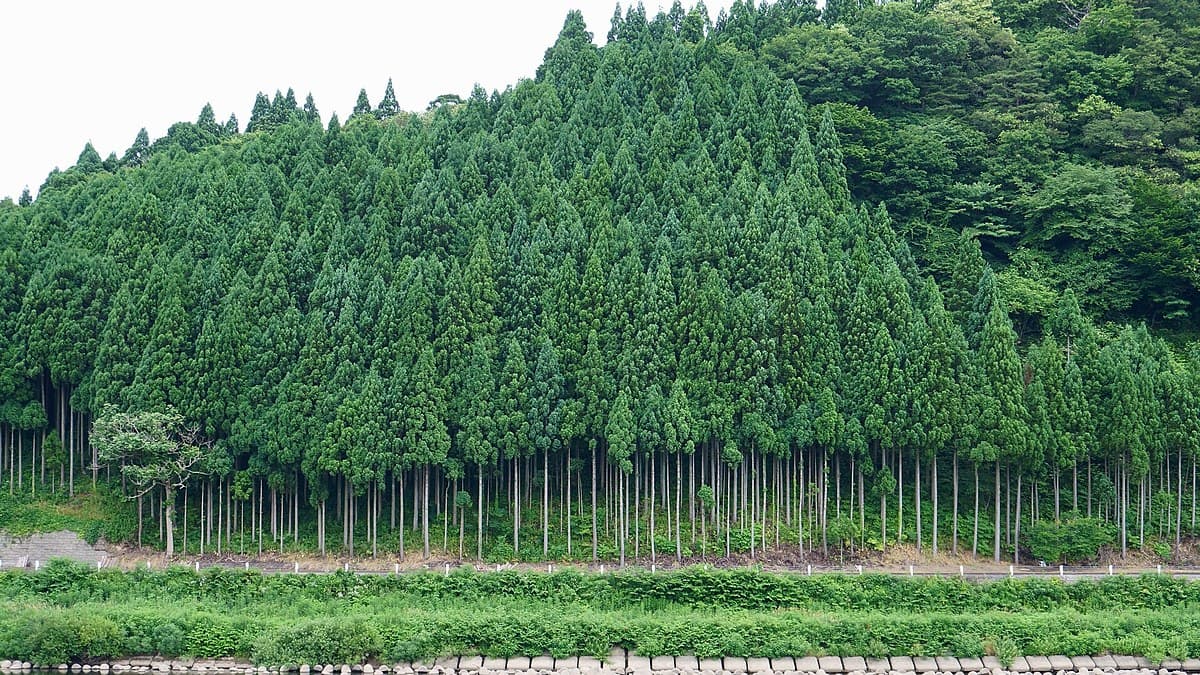
Japan’s forest sector faces a perfect storm: an aging workforce, population decline and cheap imported timber have driven timber prices to historic lows, leaving vast swaths of planted cedar and cypress stands under‑managed or abandoned. These monocultures, often over‑dense, not only yield minimal economic returns but can become net carbon emitters as respiration outpaces photosynthesis. Carbon finance, when tied to genuine ecological improvements, offers a lifeline by turning stewardship actions into tradable assets, thereby incentivising owners to invest in thinning, diversification and resilience measures.
The pilot in Miyagi Prefecture illustrates this model in practice. Hitachi Systems leveraged its local presence to partner with Everimpact, which applied two decades of satellite data to quantify biomass loss and identify the precise thinning needed. By adopting the Verified Carbon Standard’s Improved Forest Management methodology, the consortium aims to generate up to ¥260 million (about $1.9 million) in high‑integrity credits. The proceeds will fund the very thinning and replanting operations that restore forest health, increase biodiversity, and improve carbon sequestration, creating a self‑sustaining revenue loop for owners who previously faced negative cash flows.
Beyond the pilot, the initiative aligns with Japan’s broader climate strategy, which seeks to boost forest‑based CO₂ removal from 45 Mt in 2023 to 72 Mt by 2040. Government‑run J‑Credit schemes and the national forest inventory provide a policy backbone, but only projects that meet rigorous additionality standards can capture premium market prices. As global scrutiny intensifies around carbon‑credit integrity, Japan’s emphasis on verified, biodiversity‑enhanced credits could set a benchmark for other nations grappling with aging plantation forests. If successful, the model may catalyse wider adoption, channel private capital into forest regeneration, and help the country meet its ambitious net‑zero commitments.
Carbon Finance Offers Lifeline to Japan’s Ailing Forest Sector
Comments
Want to join the conversation?
Loading comments...