
Green Infrastructure Indices | FTSE Russell Index Ideas
FTSE Russell describes its green infrastructure indices as extensions of its core infrastructure benchmarks that layer climate and sustainability data onto companies exposed to transportation, energy and communications. The firm says recent attacks on regional infrastructure have refocused investors on resilience, decentralisation and reliability, while long-term demand for infrastructure could reach about $100 trillion by 2040. FTSE Russell estimates roughly two‑thirds of future investment will be sustainable, driven by energy transition, digital/AI buildout, climate resilience upgrades and circular-economy solutions. Its product suite includes a TPI Climate Transition index, a more ambitious 50/50 CTB climate transition benchmark, and a Green Revenue Select Infrastructure and Industrials index focused on solution providers.
GC2025 Insights: How Policies & Incentives Build Impact Economies
The podcast spotlights GSG Impact’s mission to build impact economies by shaping policies and incentives that channel capital toward measurable social and environmental outcomes. Elizabeth, a veteran of the Inter‑American Development Bank and UN, explains how the organization’s 43 national...
How Climate Finance Creates Positive Tipping Points
The video discusses a climate‑finance initiative focused on creating positive tipping points by scaling widely used, low‑carbon technologies. It stresses that urgent climate risks demand rapid deployment of solutions that can become self‑reinforcing, slowing the runaway feedback loops scientists warn...

Financing Building Efficiency to Help Bolster Communities
The video spotlights a new financing model that channels capital into energy‑efficient retrofits of aging New York City buildings, using the New York City Energy Efficiency Corporation (NYCEEC) as the primary lender. Project Renewal, a nonprofit focused on homes, health,...
Waste Management and Circularity Deep Dive Webinar
The webinar introduced Iris Plus’s new waste‑management and circularity impact theme, a free online hub that aggregates measurement tools, peer‑reviewed evidence, and strategic guidance for investors and practitioners. Hosted by Panagotto Balfusia, the session walked participants through the platform’s structure,...
Energy Web's Plan to Tokenize the Global Power Grid | Ed Hess
Energy Web, founded in 2017, is building a blockchain‑enabled verification layer to tokenize the global power grid. The platform, now permissionless, lets regulators, corporates, and auditors define and enforce energy‑market rules through a no‑code environment, replacing cumbersome PDFs and manual...
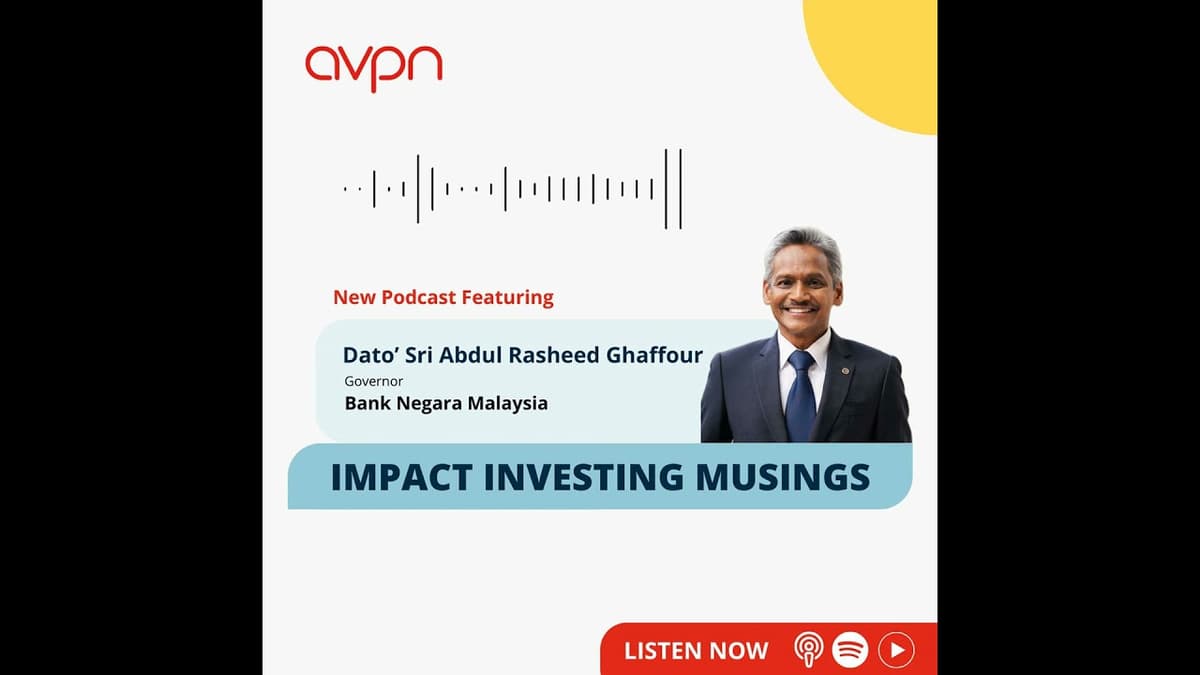
GC2025 Insights: Catalysing Asia’s Finance for People and Planet
The keynote delivered by Governor Tat Rashid at AVPN Global 2025 outlined a roadmap for mobilising Asia’s finance to power inclusive, resilient, and sustainable growth. He framed the challenge as moving from traditional industrial policy to “industrial co‑creation,” where governments,...
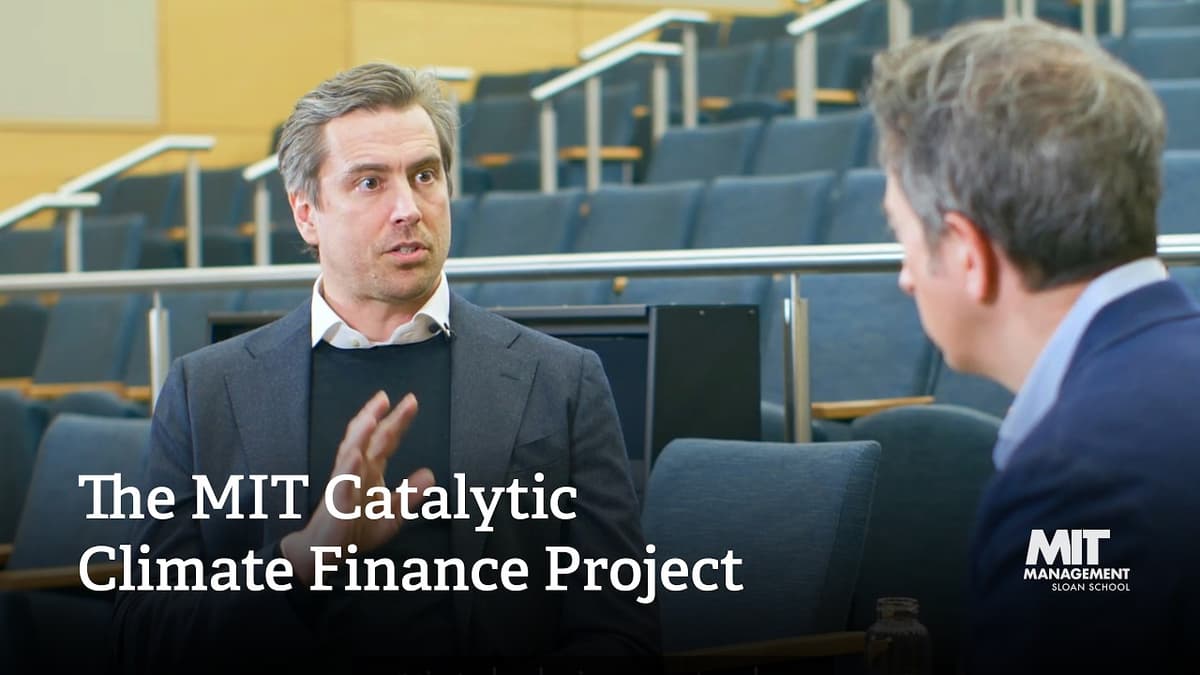
The MIT Catalytic Climate Finance Project: Unlocking Investment for Climate Technologies
The MIT Catalytic Climate Finance Project (CCFP) aims to close the financing "valley of death" that stalls emerging climate technologies. Co‑founders Florian Berg and Jason Jay outline new financing models that can move innovations like green concrete and sustainable aviation...

How One Real Estate Idea Changed Lives: Converting Apartments Into Safe Study Spaces for Kids
The video recounts the creation of a socially responsible real‑estate venture that converted studio apartments in low‑income multifamily buildings into supervised study spaces for children. The founder identified a need when kids left books outside because parents worked late. He bought...
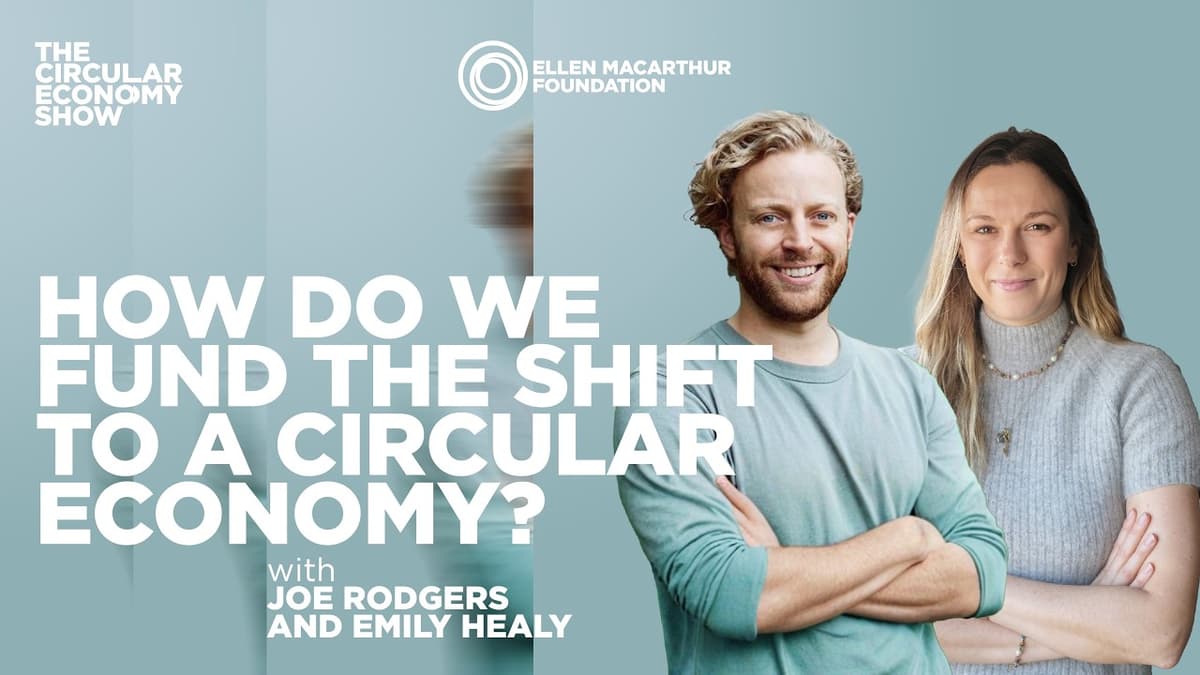
How Do We Fund the Shift to a Circular Economy?
The Circular Economy Show hosted Emily Healey and Joe Rogers from the Alan MacArthur Foundation to dissect why, despite successful niche models, a broader economic shift remains elusive. They traced financing trends from a 2019 surge to a 2021 peak, followed...

How Water Bonds Could Help More Funding Flow Into Africa
African nations are grappling with a massive financing shortfall for water infrastructure, prompting policymakers to explore blue and green bonds as a commercial avenue for funding. The discussion highlights pioneering issuances, such as Benin’s €500 million SDG bond in 2021, which...

Investing in Post Conflict Reconstruction | Futures Summit
Post‑conflict reconstruction is shifting from short‑term humanitarian relief to integrated, long‑term strategies that blend peacebuilding, economic recovery, and institutional development. The CSIS Futures Summit underscored a growing role for governments, multilateral institutions, private investors, and philanthropies, with investment targeting infrastructure,...