Climate Adaptation Funding Is Scarce. Private Investors Could Help.
Why It Matters
The report highlights a critical financing bottleneck and offers a pathway for private investors to unlock billions needed for urban climate resilience, shaping policy and investment strategies worldwide.
Key Takeaways
- •C40 report estimates $256‑$821 bn needed for adaptation in LMICs by 2050
- •Only 1% of climate finance currently targets urban adaptation projects
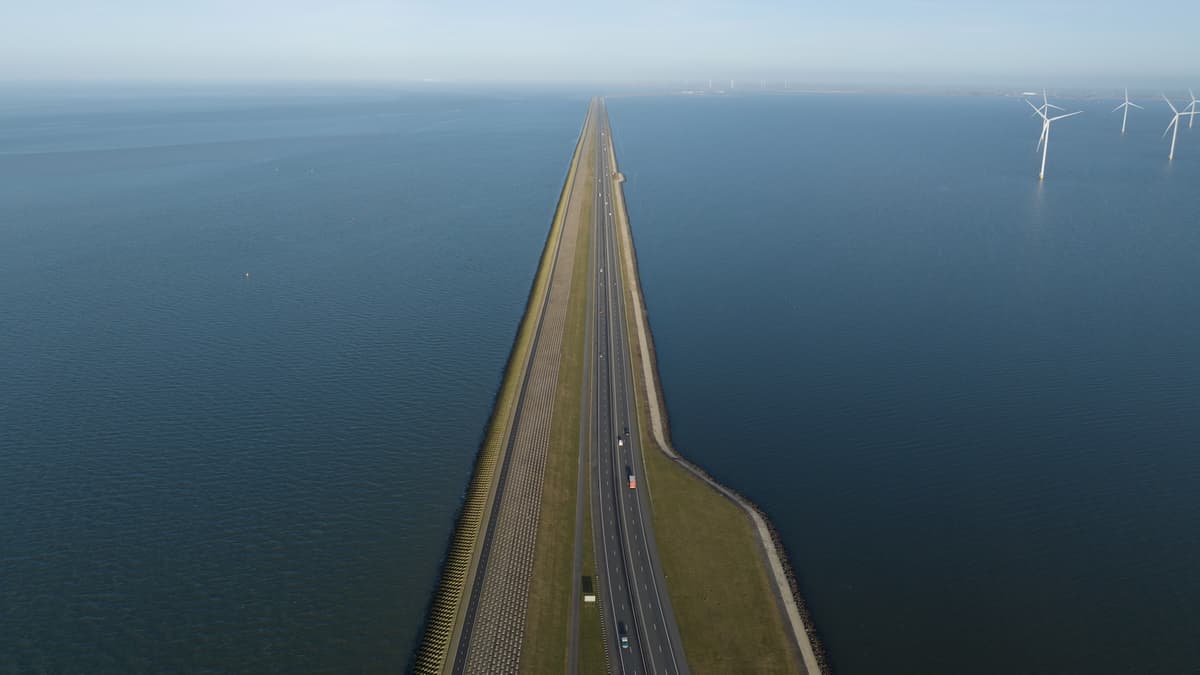
- •Afsluitdijk upgrade used 25‑year private‑financed contract as model
- •Private investment currently 3% of adaptation finance; could reach 15%
- •Bundling small projects into funds or green bonds attracts larger investors
Pulse Analysis
The financing gap for climate adaptation has exploded into a multi‑hundred‑billion‑dollar problem. While mitigation projects attract the bulk of climate capital, adaptation—especially in rapidly urbanizing low‑ and middle‑income economies—receives barely a fraction of the pool. The C40 analysis quantifies the shortfall at $256‑$821 billion by 2050, yet less than one percent of global climate funds are earmarked for city‑level resilience. This mismatch stems from the difficulty of monetizing avoided damages, limited tax bases, and a historical reliance on sovereign or donor grants that are now contracting.
Private capital can help close the gap, but it must be structured to meet both public goals and investor return expectations. The Afsluitdijk’s 25‑year pay‑as‑you‑go contract demonstrates how a public‑private partnership can spread costs over time while delivering critical infrastructure. Other case studies—such as performance‑based payments in Washington, D.C., storm‑water toll roads in Kuala Lumpur, and coral‑reef insurance in Mexico—show that revenue‑linked assets, green bonds, and blended‑finance funds make adaptation projects bankable. Bundling numerous small‑scale measures into a single investment vehicle also improves scale, attracting institutions like the World Bank or multilateral development banks.
Policymakers, however, must guard against the risks of a purely profit‑driven approach. The Zurich Climate Resilience Alliance warns that without robust safeguards, private investors may prioritize short‑term returns, leaving long‑term equity and community needs under‑addressed. Clear procurement rules, transparent risk‑sharing mechanisms, and strong social‑environmental standards are essential to maintain public trust. If governments can create a predictable regulatory environment, the private sector’s share of adaptation finance could rise from the current 3% to as much as 15%, unlocking billions of dollars needed to protect vulnerable urban populations worldwide.
Climate adaptation funding is scarce. Private investors could help.
Comments
Want to join the conversation?
Loading comments...