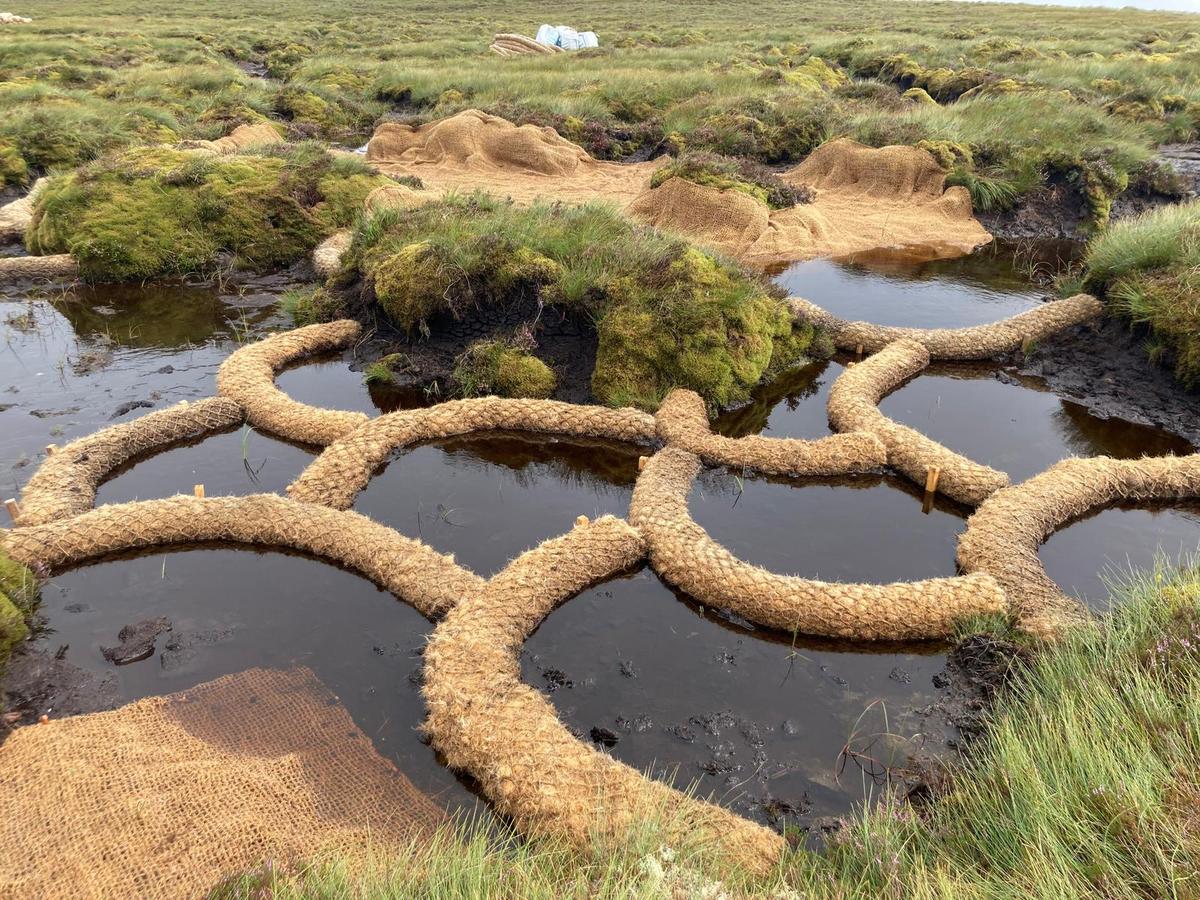
For Peat’s Sake: How We Can Turn Europe’s Bogs and Fens Into Investable Green Infrastructure for the Future
Companies Mentioned
Why It Matters
Mobilising private capital for peat restoration bridges the financing gap in nature‑based solutions, delivering climate mitigation, flood protection, and biodiversity gains while generating new revenue streams for investors.
Key Takeaways
- •EU targets restoring 10 million hectares of peatlands by 2030
- •Restored peat can earn up to €30 per tonne of CO₂
- •Public‑private partnerships could mobilize €5 bn for peat projects
- •Standardized metrics are essential for peat‑based green bond issuance
- •Peat restoration cuts flood risk while boosting biodiversity
Pulse Analysis
Peatlands, often called the planet’s hidden carbon vaults, store more than twice the CO₂ of all forests combined. In Europe, centuries of drainage have released vast emissions and heightened flood risk, prompting the EU to embed peat restoration in its 2030 biodiversity and climate agenda. By committing to restore 10 million hectares, policymakers are signaling that peat can serve as a scalable climate solution, provided the right financial scaffolding is in place.
The financing narrative is shifting from grant‑only models to market‑based instruments. Green bonds tied to peat restoration, carbon‑credit sales at roughly €30 per tonne of CO₂, and blended finance structures are emerging as viable pathways to attract institutional investors. Early pilots suggest that public‑private partnerships could marshal up to €5 billion, creating a nascent asset class that mirrors the growth trajectory of renewable energy finance. Standardized measurement, reporting, and verification (MRV) protocols are critical to ensure investor confidence and to price the ecological services accurately.
Challenges remain: fragmented ownership, legacy drainage infrastructure, and the need for robust legal frameworks can stall projects. Yet, the convergence of climate urgency, policy incentives, and investor appetite for ESG‑aligned returns positions peat restoration as a compelling opportunity. As the market matures, transparent standards and scalable financing tools will be essential to transform Europe’s bogs and fens into profitable, resilient green infrastructure.
For peat’s sake: How we can turn Europe’s bogs and fens into investable green infrastructure for the future
Comments
Want to join the conversation?
Loading comments...