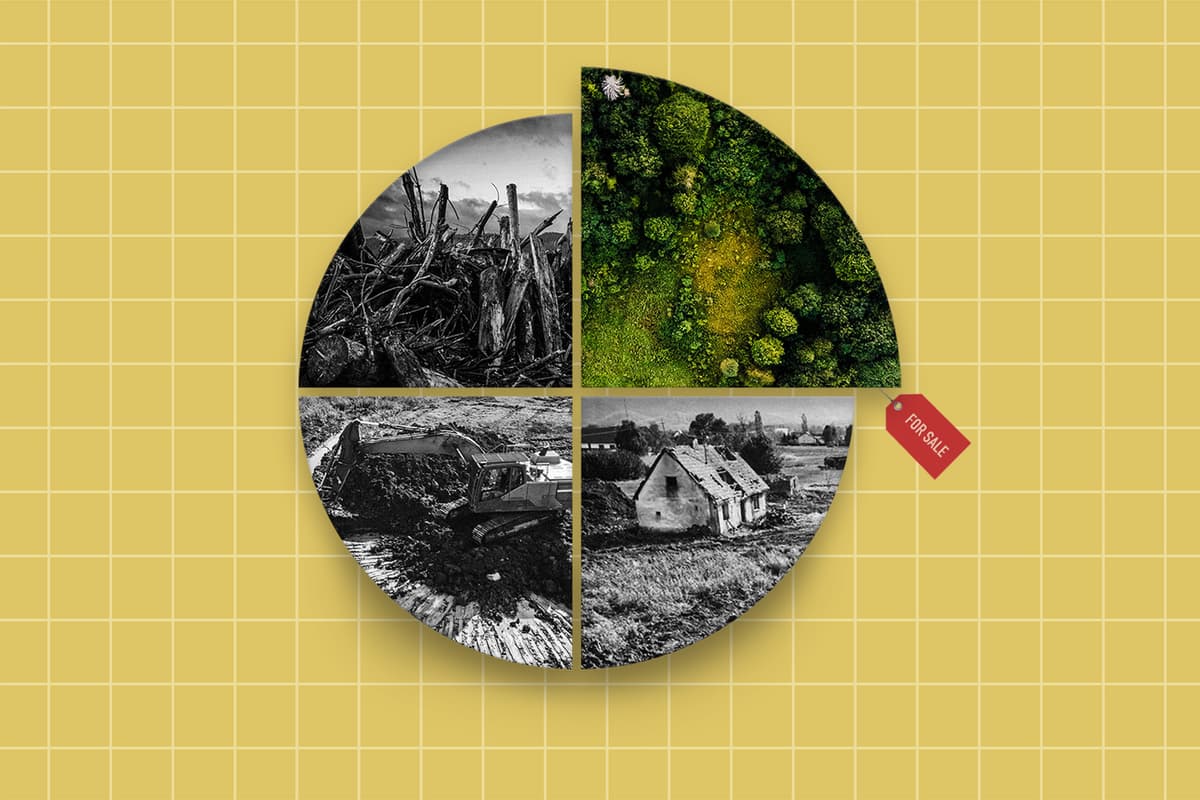
“Green Finance” Promises to Save the Planet. It’s Doing the Opposite
Companies Mentioned
Why It Matters
The trend undermines genuine emission reductions, fuels green‑washing, and entrenches inequitable exploitation of nature, jeopardizing climate goals and Indigenous rights.
Key Takeaways
- •Carbon offset projects in Peru failed, increased deforestation
- •Tesla earned $2.8 B from carbon credit sales in 2024
- •Canada subsidizes Alberta tar sands by $13 B annually
- •Biodiversity offsets risk displacing Indigenous communities worldwide
Pulse Analysis
Green finance has become a cornerstone of climate policy, promising to channel private capital into projects that protect forests, restore ecosystems, and offset emissions. The model treats nature as a balance sheet item, creating markets for carbon credits, biodiversity offsets and natural‑capital accounting. While the rhetoric appeals to ethical investors, the underlying logic mirrors traditional asset speculation: profits are generated by trading intangibles rather than delivering measurable environmental outcomes. As governments adopt natural‑capital frameworks, the line between public stewardship and private profit is increasingly blurred.
The shortcomings of this approach are already evident. In Peru’s Cordillera Azul park, a carbon‑offset scheme meant to fund protection instead coincided with a surge in illegal logging, leaving Indigenous Kichwa families without hunting tools and deepening poverty. Corporate beneficiaries are reaping outsized gains: Tesla recorded $2.8 billion from selling carbon credits in 2024, and the five largest oil majors paid shareholders $111 billion in 2023 despite rising climate‑related damages. Canada’s subsidies to the Alberta tar sands exceed $13 billion a year, while biodiversity‑offset pilots threaten to evict Indigenous peoples from lands that host 80 percent of global biodiversity.
Investors and policymakers must look beyond headline‑grabbing ESG labels and demand transparent, verifiable outcomes. Robust accounting standards, independent monitoring and community consent are essential to prevent green‑washing and ensure that finance truly supports emission reductions and habitat preservation. Alternatives such as direct public funding for conservation, stricter regulation of carbon markets, and reparative investments in Indigenous stewardship can align capital with genuine climate goals. Without such safeguards, the burgeoning green‑finance industry risks cementing a “real‑zero” illusion—allowing polluters to pay for the right to continue damaging the planet.
“Green Finance” Promises to Save the Planet. It’s Doing the Opposite
Comments
Want to join the conversation?
Loading comments...