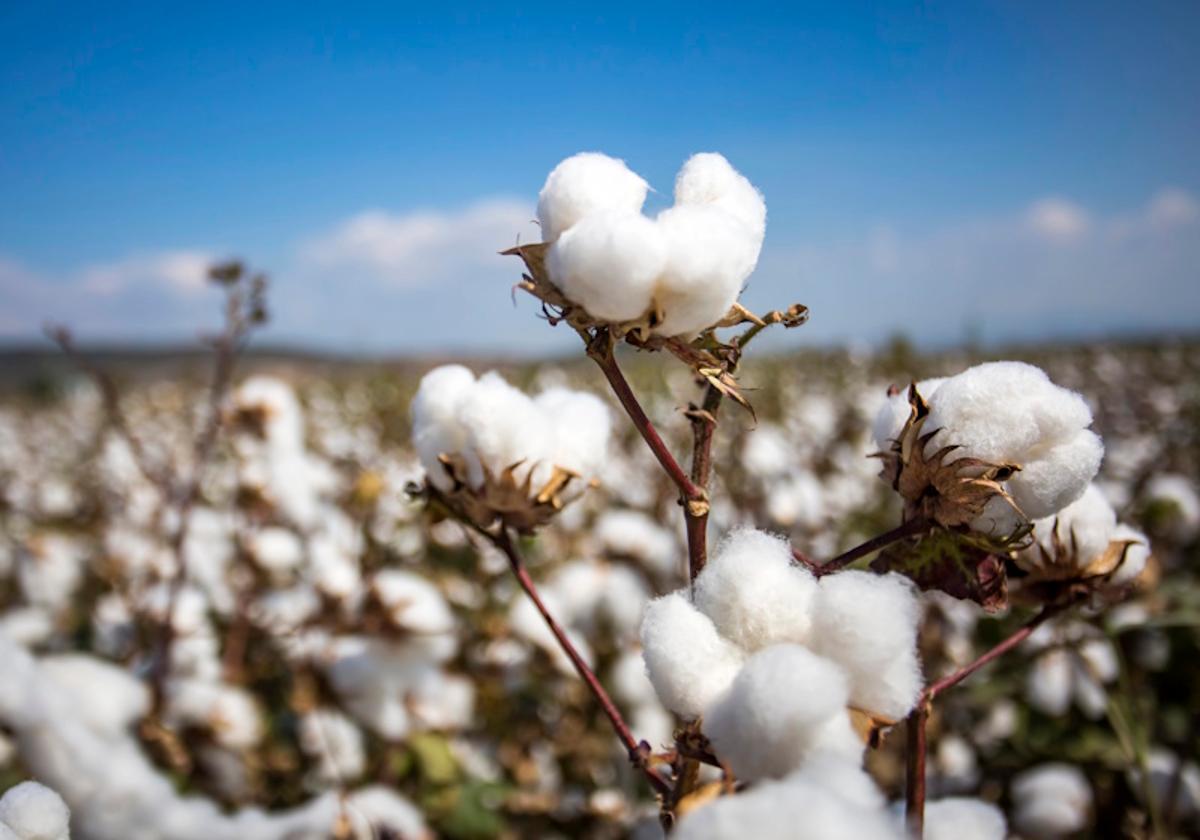
ICAC Launches Carbon Credits Initiative
Why It Matters
The initiative converts environmental stewardship into a tangible income stream, accelerating adoption of sustainable cotton production and reshaping market dynamics.
Key Takeaways
- •ICAC's program targets cotton growers worldwide
- •Up to $200 per hectare can be earned via carbon credits
- •Initiative ties soil health improvements to measurable carbon offsets
- •Expected to boost farmer income while reducing emissions
- •Early adopters may gain competitive edge in sustainable markets
Pulse Analysis
Carbon markets have moved beyond forestry and energy, and the textile sector is now a focal point. Cotton, as a water‑intensive crop, faces mounting pressure to improve its environmental footprint. By introducing a dedicated carbon‑credit framework, ICAC taps into a growing pool of corporate buyers seeking verified emissions reductions, while offering farmers a clear pathway to monetize practices such as cover cropping, reduced tillage, and precision irrigation.
The program’s financial model projects up to $200 per hectare in additional earnings, a figure that can meaningfully supplement typical cotton farm margins. Participants will generate credits through third‑party verification of soil organic carbon gains and reduced greenhouse‑gas emissions. These credits are then sold on voluntary markets, with proceeds flowing back to growers. Beyond the direct payout, the initiative encourages broader agronomic benefits—enhanced soil structure, higher water retention, and greater resilience to extreme weather—creating a virtuous cycle of productivity and sustainability.
For the broader cotton value chain, the ICAC scheme signals a shift toward profit‑linked sustainability. Brands demanding low‑carbon cotton can source from verified farms, reducing supply‑chain risk and meeting consumer expectations. Early adopters stand to differentiate themselves, potentially commanding premium prices. However, scaling will require robust monitoring infrastructure and farmer education. If these hurdles are addressed, the carbon‑credit model could become a template for other commodity sectors seeking to align climate goals with bottom‑line growth.
ICAC launches carbon credits initiative
Comments
Want to join the conversation?
Loading comments...