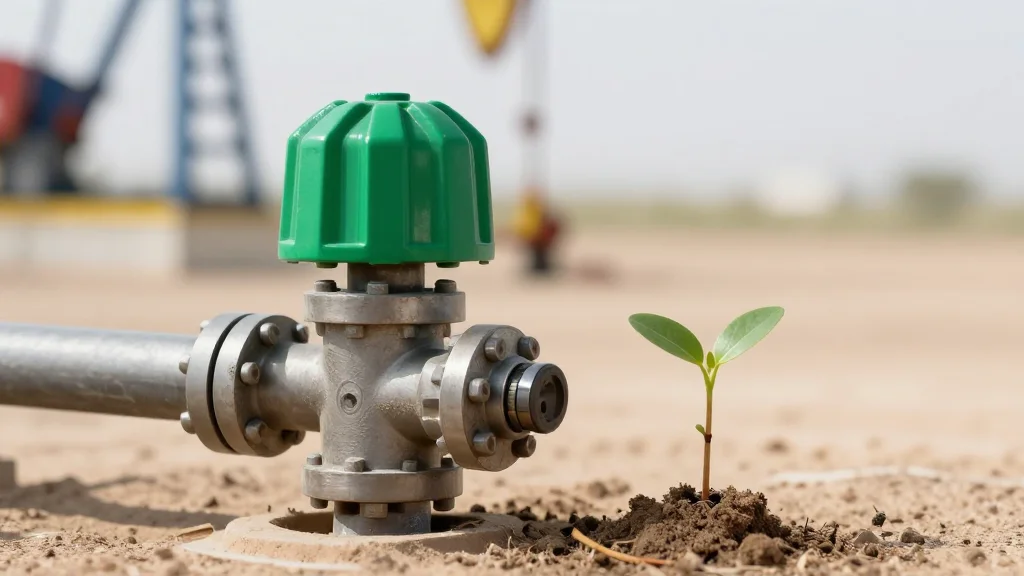
Technical Explainer: Orphaned Oil and Gas Well Carbon Credits
Why It Matters
Plugging orphaned wells delivers immediate methane reductions, a high‑impact climate lever, while also improving local environmental health. The emerging carbon‑credit mechanisms provide a scalable financing bridge amid limited government resources.
Key Takeaways
- •Orphaned wells emit ~6% of US methane from abandoned wells
- •VCM issued 8.3M credits from 80 orphan‑well projects
- •Plugging costs can exceed $100k per well, funding gaps persist
- •Methodologies vary on baselines, crediting periods, and GWP
- •Projects deliver water protection and community safety co‑benefits
Pulse Analysis
The urgency of curbing methane emissions has pushed orphaned oil and gas wells into the spotlight of the voluntary carbon market. With methane’s 80‑fold warming potential over a decade, each unplugged well represents a persistent climate liability. By channeling private capital into plug‑and‑abandon operations, the market not only offsets emissions but also creates a revenue stream for developers, accelerating the removal of roughly 120,000 documented orphan wells across the United States and Canada.
Four distinct methodologies now govern how credits are calculated, each balancing baseline assumptions, crediting horizons, and global warming potential factors. Some adopt flat extrapolations of current leak rates, while others model declining emissions over 20‑year periods. This methodological diversity introduces variability in credit volume and quality, prompting buyers to scrutinize measurement protocols, third‑party verification, and permanence safeguards. Nevertheless, the strong case for additionality—driven by limited public funding and regulatory gaps—makes these credits attractive for corporations seeking rapid, verifiable climate impact.
For investors and policymakers, the emerging orphan‑well credit market signals a scalable bridge between public financing shortfalls and climate goals. Robust monitoring, transparent data reporting, and standardized plug‑performance metrics will be essential to mitigate leakage risk and ensure long‑term permanence. As governments consider expanding bonding requirements and inventory accuracy, the synergy between regulatory reform and market‑based financing could unlock billions of dollars, turning a legacy environmental hazard into a catalyst for sustainable development and community resilience.
Technical Explainer: Orphaned Oil and Gas Well Carbon Credits
Comments
Want to join the conversation?
Loading comments...