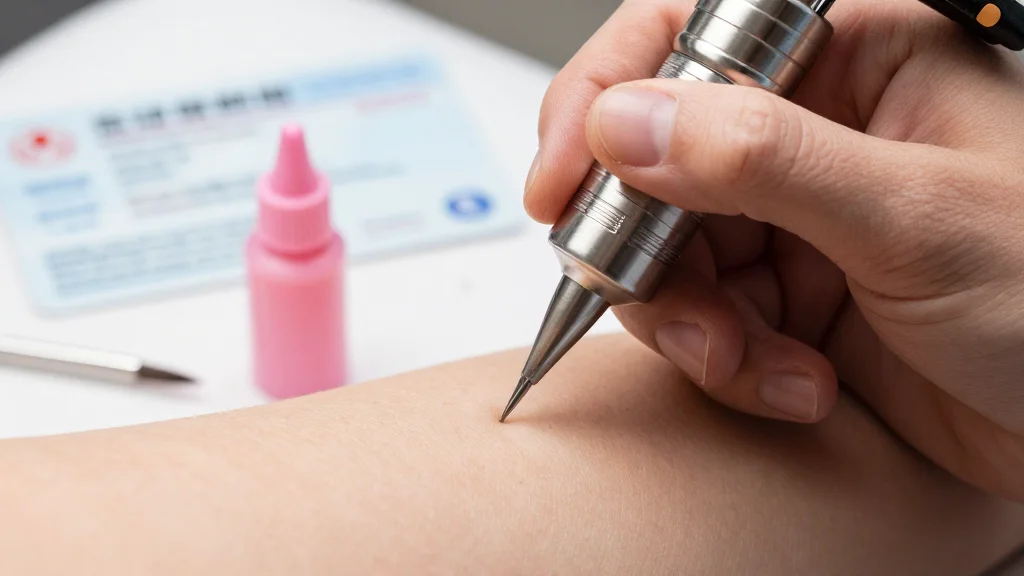
Insurers Reject Coverage for Nipple Tattoo Reconstruction Among Breast Cancer Survivors

Companies Mentioned
Why It Matters
The dispute over insurance coverage for nipple‑and‑areola tattoos highlights a broader tension in health‑care: where the line is drawn between cosmetic and reconstructive services. As survivorship becomes a central focus of cancer care, insurers that cling to outdated policy language risk alienating a growing patient segment and may face regulatory pressure to update their benefit designs. For the insurance industry, the issue tests the flexibility of existing medical‑cosmetic clauses and could set precedent for other post‑treatment aesthetic interventions, such as scar camouflage or hair restoration after chemotherapy. For survivors, coverage decisions directly affect quality of life, mental health, and financial stability. Out‑of‑pocket costs for a professional tattoo can range from $1,500 to $5,000, a burden that may be prohibitive for patients already coping with treatment expenses. Resolving the coverage gap could reduce disparities in post‑cancer care and align insurance benefits with contemporary understandings of holistic recovery.
Key Takeaways
- •Breast cancer survivors are using tattoo artists for nipple reconstruction, but many insurers label the service as cosmetic and deny coverage.
- •NPR reported the issue on June 3, 2026, highlighting the financial burden on patients.
- •Breast Cancer Canada launched a survivorship strategy and appointed Adina Isenberg as Chief Healthcare Transformation Officer.
- •AstraZeneca Canada pledged a $200,000 investment to support survivorship research with Breast Cancer Canada.
- •Advocacy groups plan to submit policy briefs to insurers and health ministries by year‑end.
Pulse Analysis
The current insurance impasse over nipple‑and‑areola tattooing reflects a lag in benefit design that predates modern survivorship concepts. Historically, reconstructive surgery after mastectomy was covered because it restored function and anatomy. Tattooing, however, emerged later as a low‑tech yet psychologically potent solution, slipping through the cracks of policy language that still hinges on the "functional" versus "cosmetic" dichotomy. Insurers that adapt quickly can differentiate themselves as patient‑centric, potentially capturing a niche market for bundled post‑cancer wellness packages.
From a market perspective, the $200,000 AstraZeneca partnership signals that pharmaceutical stakeholders recognize survivorship as a continuum of care. If insurers expand coverage, we may see a rise in specialized medical‑tattoo clinics, new CPT codes, and insurance billing pathways that integrate artistic services into the broader reconstructive care continuum. This could also prompt insurers to revisit other emerging post‑treatment services, such as digital scar‑reduction therapies and AI‑driven body‑image counseling.
Regulatory scrutiny is likely to intensify. The Affordable Care Act mandates coverage for essential health benefits, and the definition of "essential" is evolving. Should the Department of Health and Human Services issue guidance that includes medically indicated tattooing, insurers will need to adjust their policy manuals, claims processing systems, and provider networks. In the short term, survivors will continue to rely on charitable funds and discounted artist rates, but the pressure is mounting for a systemic solution that aligns coverage with the lived realities of cancer survivorship.
Insurers Reject Coverage for Nipple Tattoo Reconstruction Among Breast Cancer Survivors
Comments
Want to join the conversation?
Loading comments...