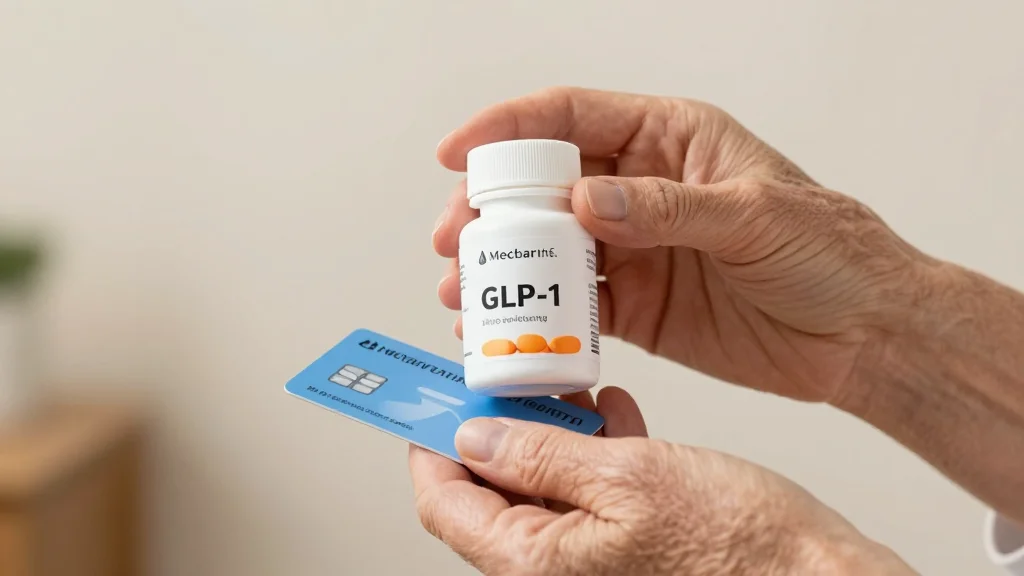
Medicare Launches $50‑per‑month GLP‑1 Pilot, Reshaping Weight‑loss Drug Coverage

Companies Mentioned
Why It Matters
The Medicare GLP‑1 Bridge pilot could redefine how obesity and related comorbidities are treated in the United States. By lowering the price barrier, the program may improve health outcomes for millions of seniors, potentially reducing long‑term costs associated with heart disease, diabetes and other weight‑related conditions. For insurers, the fixed copayment creates a predictable expense model, prompting a reevaluation of drug pricing negotiations and risk‑adjusted premiums. If the pilot proves successful, it could pave the way for permanent Medicare coverage of weight‑loss drugs, influencing both public policy and private market dynamics. Beyond immediate cost savings, the initiative signals a broader shift toward recognizing obesity as a chronic disease deserving of medical treatment rather than a lifestyle issue. This reframing could accelerate research, expand therapeutic options, and stimulate competition among manufacturers, ultimately driving innovation and price competition in the specialty drug arena.
Key Takeaways
- •Medicare launches a $50/month copay pilot for GLP‑1 weight‑loss drugs starting July 2026.
- •Eligibility requires BMI 27+ plus a qualifying condition; BMI 35+ qualifies automatically.
- •Program runs through Dec. 31, 2027 and is administered via a central prior‑authorization system run by Humana.
- •Flat copay does not count toward Part D deductible or the $2,100 annual out‑of‑pocket cap.
- •Excludes beneficiaries receiving the Low‑Income Subsidy, limiting access for the poorest seniors.
Pulse Analysis
The Medicare GLP‑1 Bridge pilot represents a watershed moment for federal drug coverage, but its design reflects a cautious, data‑driven approach. By fixing the copayment at $50, CMS sidesteps the volatile pricing that has plagued GLP‑1 drugs, yet it also avoids committing to a permanent benefit until outcomes are quantified. Insurers will likely welcome the predictability, but they must also grapple with the administrative overhead of a separate prior‑authorization workflow that bypasses traditional Part D channels.
From a market perspective, the pilot could force manufacturers to reconsider their pricing tiers. If the $50 benchmark proves sustainable, drug makers may be pressured to offer deeper discounts to other payers to remain competitive. Conversely, a limited pilot could create a two‑tier market where Medicare beneficiaries enjoy low prices while private patients continue to face higher out‑of‑pocket costs, potentially spurring calls for broader parity.
Looking ahead, the program’s success will hinge on three factors: enrollment uptake, clinical outcomes, and cost containment. High enrollment would demonstrate demand and justify a permanent benefit, but it could also strain the $50 pricing model if manufacturers resist broader discounts. Positive health outcomes—such as reduced cardiovascular events—could offset drug costs through lower downstream spending, strengthening the case for expansion. Finally, the exclusion of low‑income subsidy recipients may attract criticism and pressure policymakers to redesign the benefit to be more inclusive. The next 18 months will be a litmus test for whether obesity treatment can transition from a niche, high‑cost specialty to a mainstream, publicly funded therapy.
Medicare launches $50‑per‑month GLP‑1 pilot, reshaping weight‑loss drug coverage
Comments
Want to join the conversation?
Loading comments...