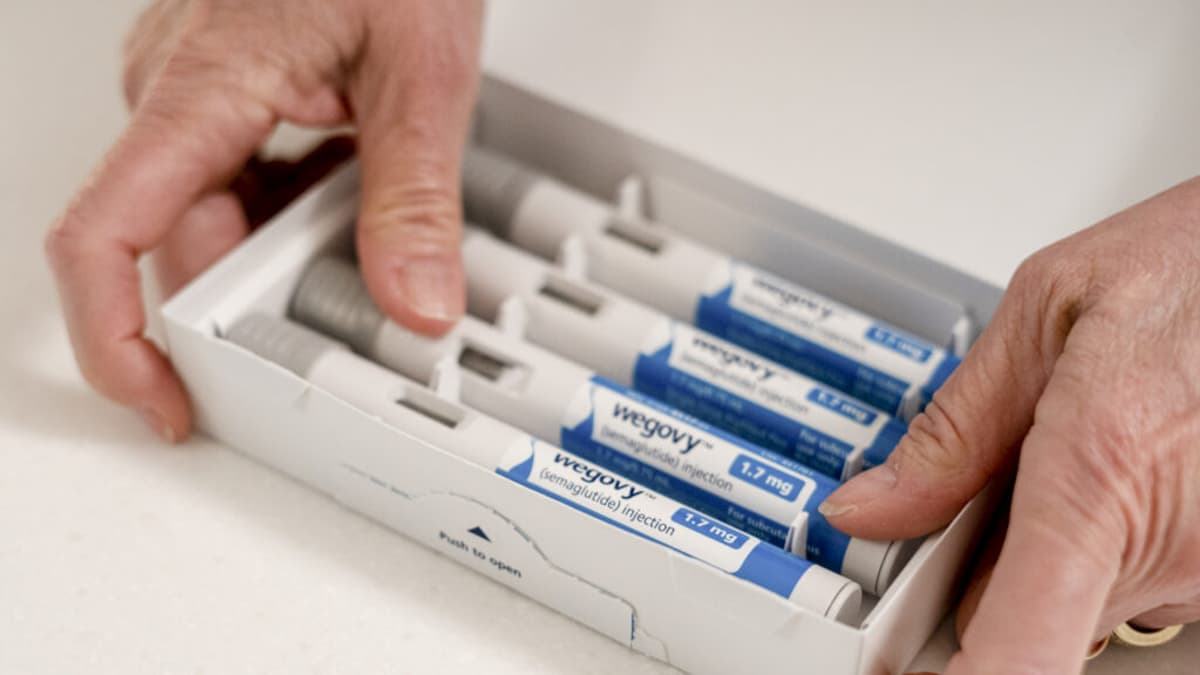
STAT+: Insurers Refuse to Join Medicare Pilot Offering Weight Loss Drugs to Seniors at Steep Discount
Why It Matters
Insurer resistance threatens a potential cost‑saving, health‑improving strategy for Medicare, highlighting the financial challenges of integrating high‑priced obesity therapies into public health programs.
Key Takeaways
- •Trump admin struck $245/month price deal with Lilly, Novo
- •Medicare planned $50 monthly copay for seniors under BALANCE pilot
- •Insurers declined participation, citing unsustainable financial exposure
- •Government will cover drugs outside Part D benefit instead
- •Pilot outcome could shape future obesity drug coverage in Medicare
Pulse Analysis
The obesity epidemic has turned weight‑loss medicines into a lucrative yet costly segment of the pharmaceutical market. By securing a $245‑per‑month price from Eli Lilly’s tirzepatide and Novo Nordisk’s semaglutide, the Trump administration aimed to demonstrate that broader access could curb long‑term health expenditures. The proposal hinged on a modest $50 copay for Medicare beneficiaries, a figure designed to encourage uptake while testing whether reduced obesity rates would translate into lower overall spending for the program.
BALANCE, the pilot’s official name, required private insurers to shoulder a portion of the drug costs, a stipulation many deemed financially untenable. Insurers warned that even with the discounted price, the volume of eligible seniors could generate substantial outlays, potentially outweighing any projected savings from improved health outcomes. Their collective refusal forced the Centers for Medicare & Medicaid Services to pivot, opting to fund the treatments outside the traditional Part D benefit framework—a move that sidesteps the usual formulary restrictions but also raises questions about administrative complexity and long‑term sustainability.
The fallout from this impasse carries broader implications for U.S. health policy. If the pilot proceeds without insurer participation, its results may lack the real‑world financial data needed to justify permanent Medicare coverage of obesity drugs. Conversely, a successful workaround could set a precedent for integrating high‑priced specialty therapies into public programs, reshaping market dynamics for manufacturers and insurers alike. Stakeholders will be watching closely as the government balances cost containment with the promise of better health outcomes for seniors.
STAT+: Insurers refuse to join Medicare pilot offering weight loss drugs to seniors at steep discount
Comments
Want to join the conversation?
Loading comments...