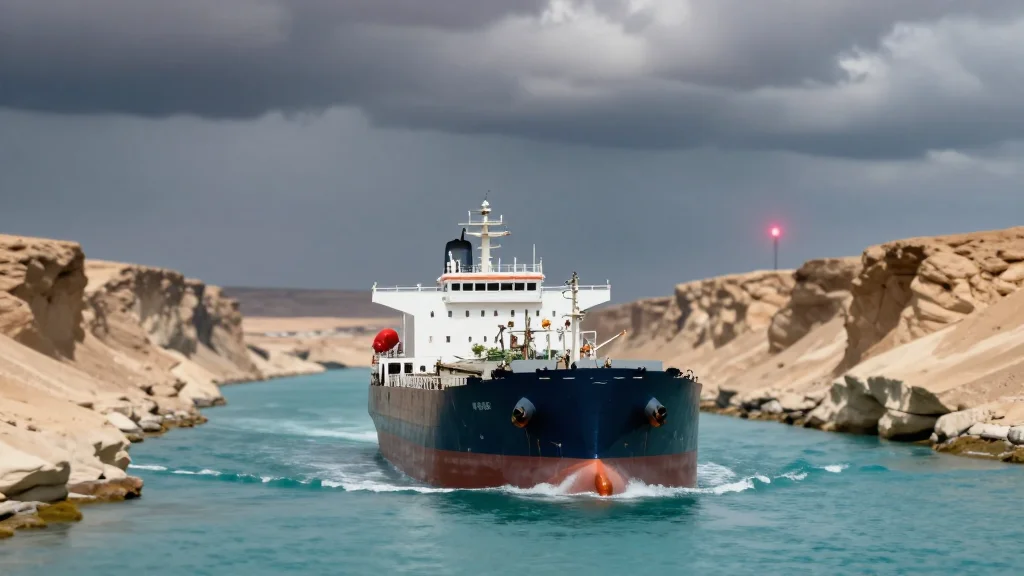
War Risk Insurance Costs Surge for Middle East Offshore Projects
Why It Matters
Higher insurance costs directly squeeze project margins and can delay energy supply expansions, affecting regional energy security and global oil markets. The shift also reshapes risk‑allocation practices in the offshore sector.
Key Takeaways
- •War risk premiums up 45% for Hormuz‑transiting vessels
- •Project budgets face $200‑$300 million cost overruns
- •Contractors renegotiating contracts to share insurance risk
- •Firms exploring alternative routes or on‑shore processing
Pulse Analysis
The Strait of Hormuz, a chokepoint for roughly 20% of global oil shipments, has become a flashpoint for war‑risk insurance providers. Recent missile and drone attacks on commercial vessels have prompted underwriters to reassess exposure, leading to premium hikes that now exceed 40% compared with pre‑conflict levels. This price shock reverberates through the offshore supply chain, where support vessels, crew transports, and equipment barges must carry costly coverage to operate safely.
For oil and gas developers, the insurance surge translates into substantial budgetary pressure. A typical deep‑water project can see its capital expenditure swell by $200‑$300 million solely from higher insurance fees, forcing owners to revisit financial models and, in some cases, defer phases. Contractors are increasingly demanding shared‑risk clauses, while some operators are considering on‑shore processing or rerouting vessels around the Cape of Good Hope, despite longer transit times. The heightened cost environment also accelerates the adoption of digital monitoring and autonomous vessel technologies that promise lower risk profiles.
Beyond individual projects, the market-wide premium escalation signals a broader shift in how the energy sector manages geopolitical risk. Insurers are tightening policy language, limiting coverage for certain threat vectors, and requiring higher deductibles. This pressure may be passed to end‑users through higher energy prices, especially if project delays curtail supply growth. Companies that can diversify logistics, secure alternative financing, or leverage strategic insurance pools will gain a competitive edge in a region where security dynamics remain volatile.
War risk insurance costs surge for Middle East offshore projects
Comments
Want to join the conversation?
Loading comments...