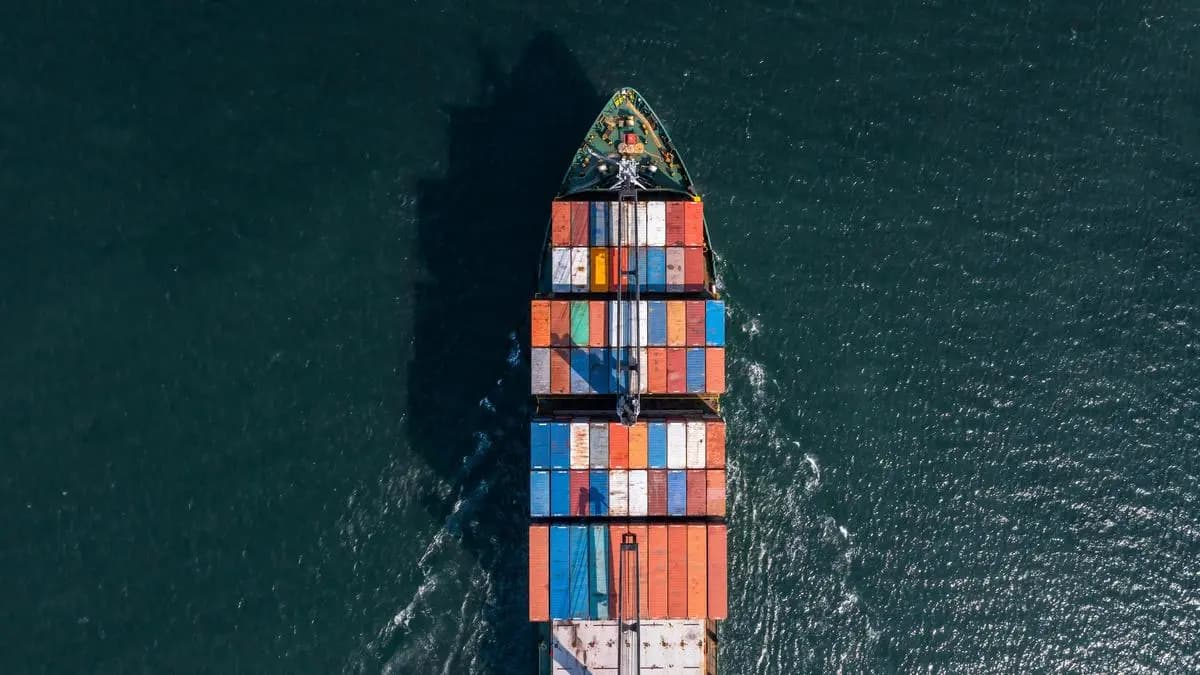
War Risk Insurance Premiums for Ships Likely to Rise Amid West Asia Crisis: Experts
•March 3, 2026
0
Companies Mentioned
Why It Matters
Higher war‑risk premiums increase shipping and logistics expenses, squeezing margins and potentially raising commodity prices. The shift also signals broader volatility for insurers and may trigger government reinsurance support.
Key Takeaways
- •War‑risk rates jumped to 1% from 0.25‑0.5%.
- •Insurers cancelled hull war cover on March 1.
- •Premium hikes affect hull and cargo insurance costs.
- •Alternate routes add extra costs for importers.
- •Aviation war‑risk coverage also faces steep increases.
Pulse Analysis
The sudden escalation of hostilities in West Asia has forced marine insurers to reassess their exposure to war‑related losses. On March 1, major brokers announced the cancellation of war‑risk cover for hulls, followed shortly by similar notices for cargo policies. As a result, the benchmark war‑risk surcharge for vessels has leapt to roughly 1 % of cargo value, up from the historic 0.25‑0.5 % range. This rapid pricing adjustment reflects insurers’ need to rebuild capital buffers while the geopolitical outlook remains volatile.
The immediate consequence for shippers is a sharp rise in freight costs. Hull and cargo premiums now carry a higher fixed component, and many vessels are rerouting around the Red Sea to avoid the most exposed corridors. Those detours add fuel consumption, longer transit times, and port‑handling fees, which are ultimately passed to importers and exporters. Indian oil carriers such as SCI, which regularly traverse the Persian Gulf, will see their operating expenses climb, putting upward pressure on crude and LNG prices in regional markets.
Beyond maritime trade, the war‑risk shock is reverberating through the broader insurance ecosystem. Aviation hull‑war coverage is expected to follow a similar price trajectory, prompting airlines to seek sovereign reinsurance guarantees similar to Israel’s recent program. Travel and event policies are also tightening as cancellation risk spikes. At the same time, insurers’ investment portfolios face heightened market volatility, which could erode capital buffers and influence underwriting capacity across lines. Stakeholders should monitor policy revisions and potential government interventions, as they will shape cost structures and risk appetite in the months ahead.
War risk insurance premiums for ships likely to rise amid West Asia crisis: Experts
0
Comments
Want to join the conversation?
Loading comments...