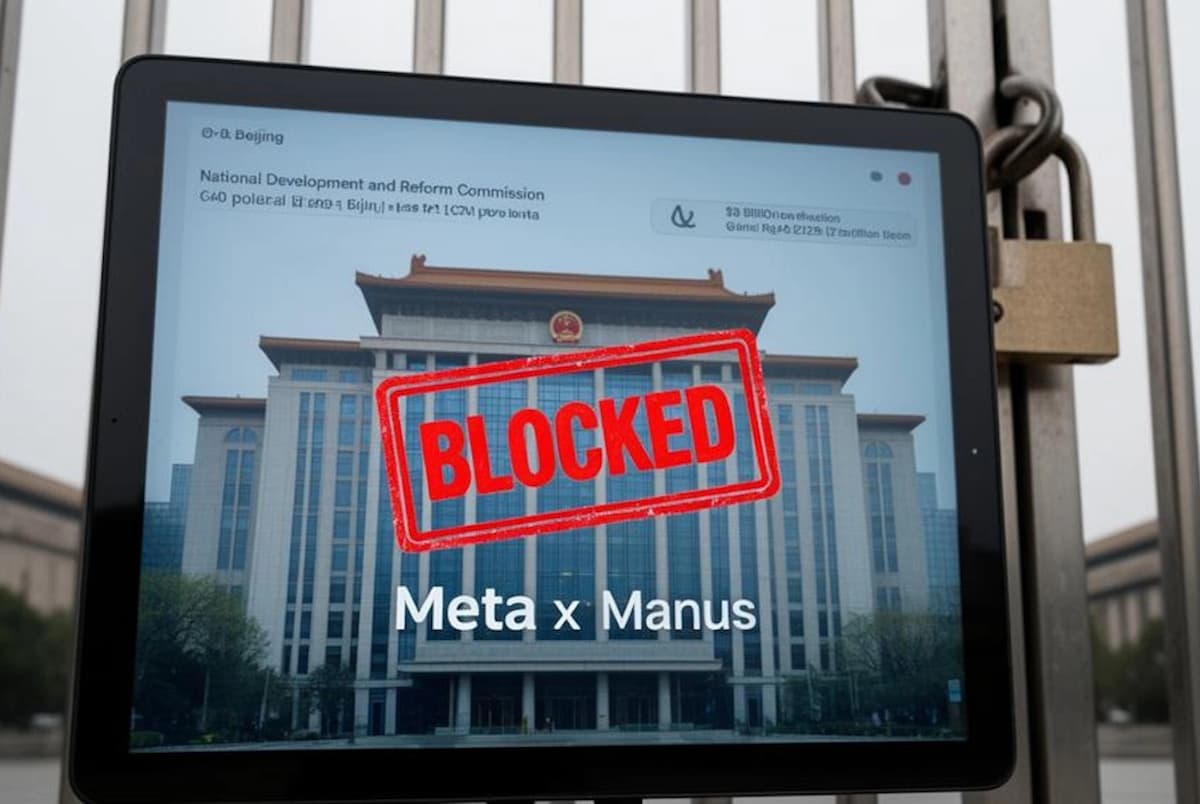
Why ‘Singapore Washing’ Will Never Be the Same


Why It Matters
The blockage proves that a Singapore domicile no longer guarantees regulatory insulation, prompting tighter due‑diligence and potentially dampening foreign investment flows into the region.
Key Takeaways
- •China blocked Meta's $2 billion purchase of AI startup Manus
- •Deal exposes limits of “Singapore washing” for Chinese‑origin firms
- •Southeast Asian VC funding dropped 33.9% to $6.3 billion in 2025
- •Investors now must verify IP location, ownership, and revenue source
Pulse Analysis
The Manus episode is more than a geopolitical flashpoint; it is a stress test of the corporate‑structure arbitrage that has underpinned much of Southeast Asia’s recent capital inflow. By planting a Singapore address on a Chinese‑built business, founders have historically sidestepped Western investors’ aversion to direct exposure to Beijing’s regulatory regime. Yet the Chinese regulator’s decisive veto demonstrates that jurisdictional risk follows substance, not paperwork, and that the Singapore flag can no longer be treated as a blanket shield. This realization arrives as the region’s venture‑capital ecosystem contracts sharply, with PitchBook reporting a 33.9% YoY decline in deal value, underscoring investors’ heightened sensitivity to hidden risk.
For capital providers, the lesson translates into a new diligence checklist that goes beyond financial statements. Verifying where intellectual property is legally domiciled, who owns the underlying entities, and whether revenue streams are booked in the same jurisdiction as operations has become essential. The eFishery accounting scandal and the Manus block together illustrate that both the numbers and the corporate shell can be misleading. In practice, this means more granular legal reviews, on‑the‑ground verification of R&D sites, and tighter scrutiny of export‑control exposures before committing funds.
Singapore’s reputation as Asia’s neutral hub hinges on the authenticity of the entities it hosts. If “Singapore washing” proliferates unchecked, the jurisdiction’s brand of stability erodes, prompting investors to demand higher risk premiums or to bypass the market altogether. Policymakers may respond with stricter substance‑over‑form regulations, but the immediate catalyst will be investor behavior. As capital becomes scarcer, only firms that can demonstrably separate their operational substance from a mere Singapore veneer will continue to attract the deep‑pocketed funding that fuels regional growth.
Why ‘Singapore washing’ will never be the same
Comments
Want to join the conversation?
Loading comments...