EXEC: Hoka Parent and Nike Inc. Stocks Downgraded on Potential GLP-1 Adoption Effect
Companies Mentioned
Why It Matters
The analysis highlights how a medical trend can reshape consumer demand, forcing investors to reassess apparel and footwear valuations. It signals a new growth driver for size‑sensitive clothing categories while pressuring footwear‑heavy stocks.
Key Takeaways
- •Wells Fargo downgrades Nike to equal weight, cuts price target to $45
- •GLP‑1 drugs boost apparel spending 40% for users vs non‑users
- •Footwear seen as underperformer; Deckers downgraded to underweight
- •Wells Fargo expects GLP‑1 to add 100bps growth in 2024
- •Intimates, denim, dresses flagged as growth opportunities amid size shifts
Pulse Analysis
The surge in GLP‑1 prescriptions such as Ozempic and Wegovy is creating a ripple effect beyond health care, fundamentally altering U.S. apparel consumption. Wells Fargo’s research shows that roughly 12% of adults are currently on these drugs, a figure projected to rise as generics lower costs. Their proprietary consumer survey of about 1,000 respondents revealed that GLP‑1 users spend more than 40% extra on clothing each year, driven by frequent wardrobe refreshes in categories sensitive to body size—especially bottoms, bras and casual wear. This spending boost translates into a 100‑basis‑point lift to overall apparel growth in 2024 and an additional 120 bps in 2025, according to the bank’s forecasts.
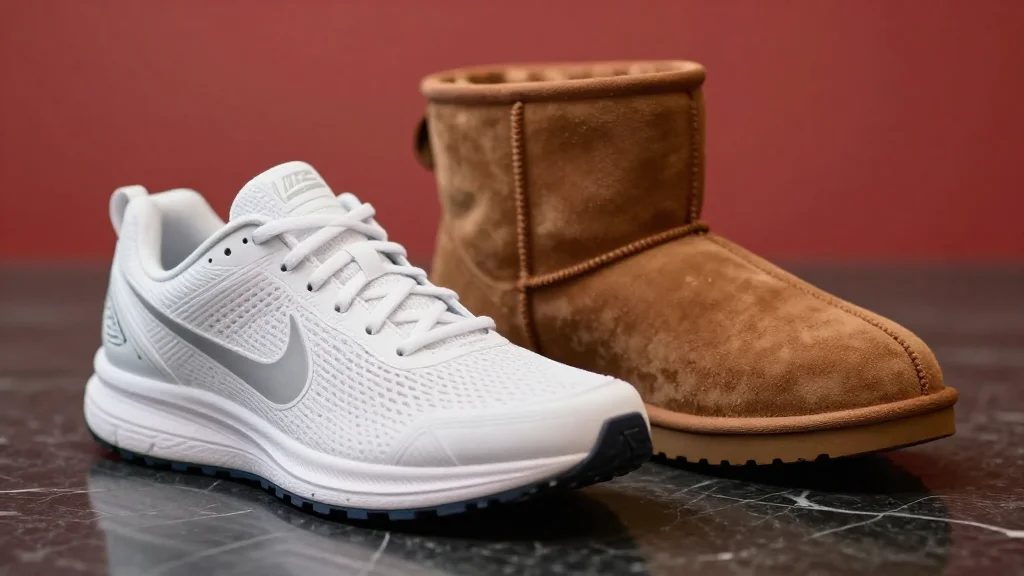
However, the benefit is not uniform across the sector. Footwear and athletic apparel appear to be laggards because shoe size changes are marginal compared with clothing adjustments. Consequently, Wells Fargo turned more negative on footwear‑heavy names, downgrading Nike and Deckers Brands, and trimming their price targets to $45 and $90 respectively. The analyst cites persistent challenges in Nike’s international markets and heightened competition for Deckers’ Hoka line as compounding factors. By contrast, brands anchored in intimates, denim, dresses and other size‑sensitive categories remain overweight, offering investors a clearer play on the GLP‑1‑driven demand surge.
For the broader market, the GLP‑1 trend underscores how medical innovations can quickly become macro‑economic catalysts. Retail data firm Circana projects that by 2030, households using GLP‑1 drugs will account for 35% of all food‑and‑beverage units sold, reflecting a deepening integration of health trends into everyday spending. Investors should monitor adoption rates, price elasticity of apparel items, and the evolving competitive landscape as brands adjust sizing, inventory and marketing strategies to capture the new wave of consumers seeking a slimmer silhouette.
EXEC: Hoka Parent and Nike Inc. Stocks Downgraded on Potential GLP-1 Adoption Effect
Comments
Want to join the conversation?
Loading comments...