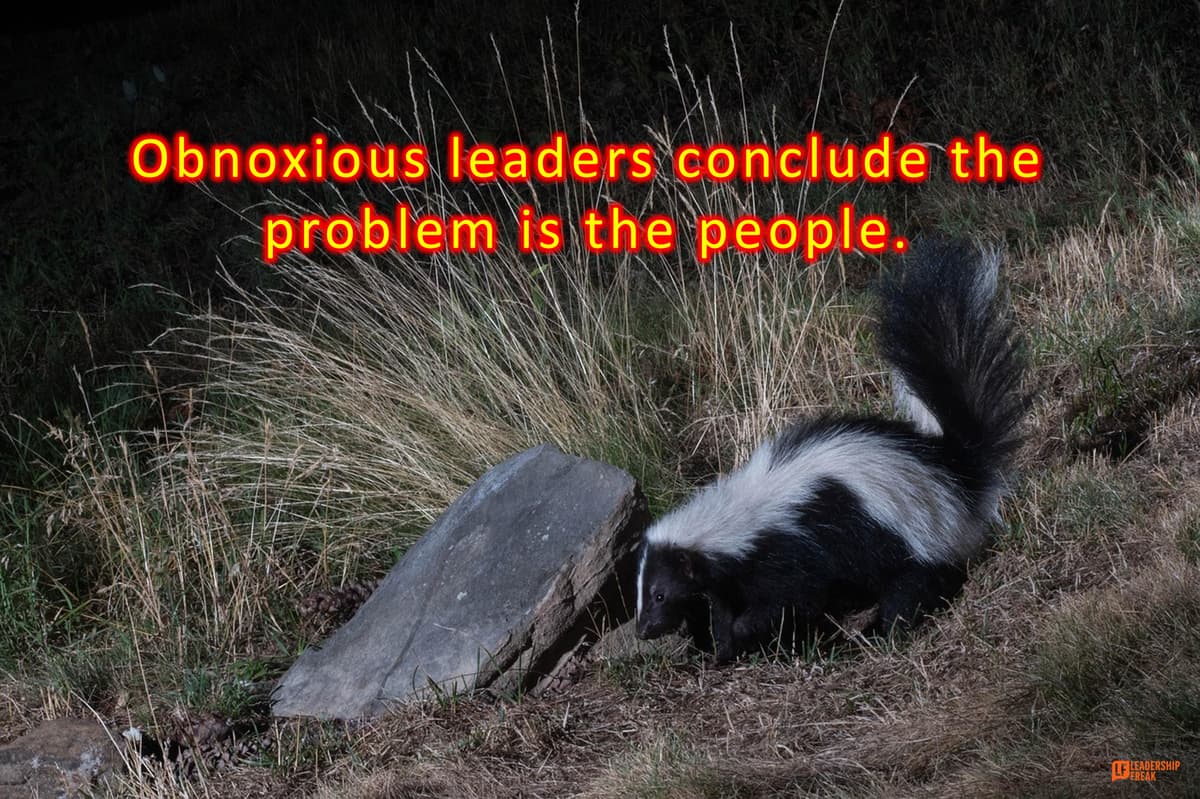
10 Tactics of Obnoxious Leaders
•February 12, 2026
0
Key Takeaways
- •Short‑term focus blinds long‑term value creation
- •Treating team members as rivals undermines collaboration
- •Silencing feedback destroys psychological safety
- •Withholding gratitude reduces employee motivation
- •Entitlement fuels toxic power dynamics
Summary
The article outlines ten hallmark tactics used by obnoxious leaders, from obsessing over short‑term results to withholding gratitude and demanding respect without earning it. It argues that such behavior stems from self‑deception and a belief that problems lie with people rather than systems. The piece also provides three reflective questions to help individuals identify these traits in themselves or others. Ultimately, it frames leadership as a catalyst for inspiration, not frustration.
Pulse Analysis
In today’s high‑velocity business environment, the allure of decisive, outspoken leaders can mask a deeper pathology. Research from Harvard Business Review shows that managers who prioritize speed over reflection often generate short‑term wins but sacrifice employee engagement and retention. The ten tactics highlighted—such as judging performance solely on recent outcomes or refusing to ask for input—mirror classic signs of authoritarian style, which correlates with higher burnout rates and lower net promoter scores across industries.
Each tactic operates as a feedback‑loop that amplifies dysfunction. When leaders outshine their teams, they create a competitive climate that discourages knowledge sharing, leading to siloed work and duplicated effort. Withholding gratitude or demanding respect without earning it erodes the psychological safety essential for creative problem‑solving. Moreover, the tendency to blame people rather than systems prevents organizations from addressing root causes, resulting in costly rework and missed market opportunities. These behaviors are not isolated; they often cluster, magnifying their negative impact on culture and bottom‑line performance.
Addressing obnoxious leadership requires deliberate self‑assessment and structured development programs. The three diagnostic questions offered in the article serve as a practical entry point for leaders to gauge their own reactions to failure, trust‑building, and interpersonal outcomes. Companies can embed 360‑degree feedback, coaching, and gratitude training into their talent pipelines to counteract these habits. By shifting the narrative from domination to inspiration, firms unlock higher employee satisfaction, stronger innovation pipelines, and ultimately, more resilient competitive advantage.
Comments
Want to join the conversation?