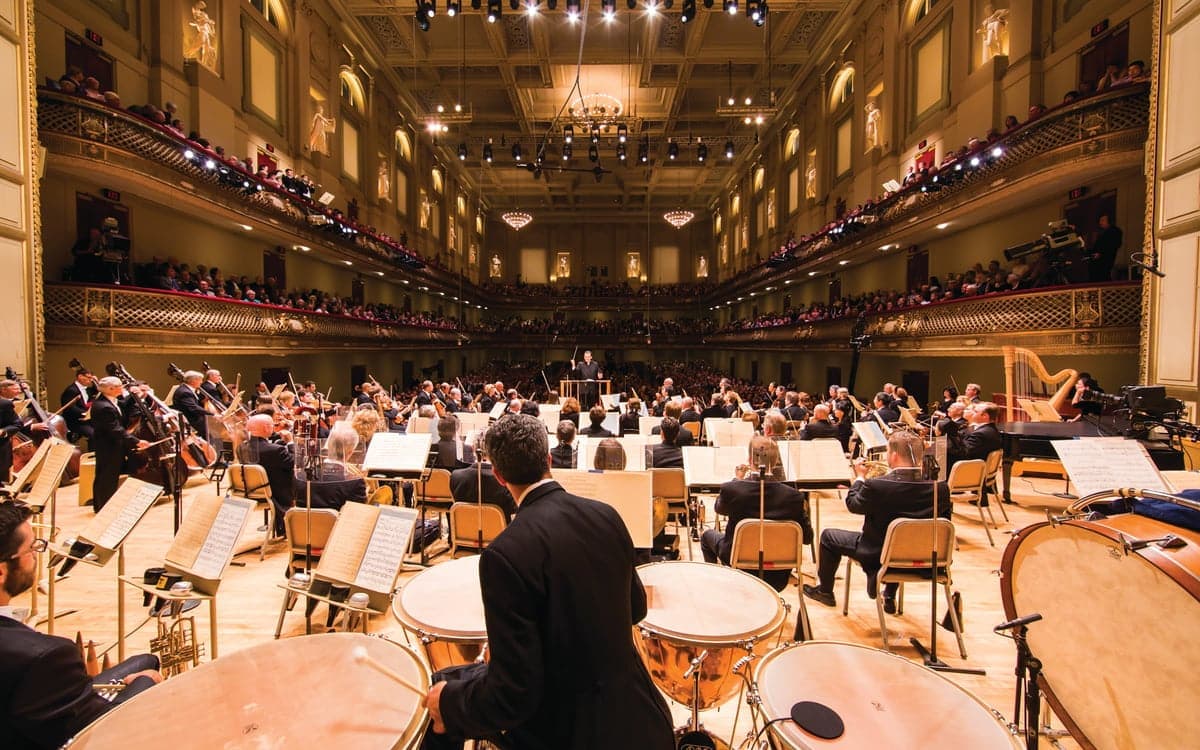
Boston Globe to Boston Symphony Board: Stop Digging
Key Takeaways
- •Board's decision to drop conductor Andris Nelsons sparked donor backlash
- •Fundraising has stalled since the announcement, threatening the orchestra's revenue
- •Renovation needs for Symphony Hall and Tanglewood total about $100 million
- •BSO endowment tops $600 million, but most assets are restricted
- •Cleveland Orchestra’s transparency and surplus offer a blueprint for BSO
Pulse Analysis
The Boston Symphony Orchestra finds itself at a crossroads as governance turmoil collides with a fragile fundraising environment. The board’s abrupt decision to part ways with conductor Andris Nelsons—citing a misaligned vision—triggered a swift donor backlash, halting the flow of new gifts that the organization had hoped to leverage for a $100 million capital campaign. While the orchestra’s $600 million endowment remains the nation’s largest, the majority of those assets are earmarked for specific purposes, limiting flexibility and amplifying the impact of the current revenue shortfall.
Beyond the immediate cash crunch, the BSO faces pressing infrastructure challenges. Symphony Hall, despite its historic acoustics, requires extensive upgrades to match the comfort and technology of newer venues like the Disney Concert Hall. Tanglewood’s outdoor facilities also need modernization, with combined renovation costs hovering around $100 million. In contrast, the Cleveland Orchestra has demonstrated that transparent financial reporting and a modest, sustainable budget can sustain artistic excellence without resorting to high‑profile controversies. Cleveland’s recent surplus and publicly posted audited statements illustrate a governance model that balances artistic ambition with fiscal responsibility.
For the BSO, the path forward hinges on rebuilding trust with its donor base and adopting best‑practice governance. Re‑engaging patrons through clear communication, honoring the artistic contributions of Nelsons, and prioritizing transparent budgeting could revive fundraising momentum. Moreover, benchmarking against Cleveland’s operational model—particularly its emphasis on community outreach and digital streaming—may provide a roadmap for stabilizing revenues while preserving the orchestra’s artistic stature. In an era where cultural institutions compete for limited philanthropic dollars, effective board leadership is the decisive factor that separates thriving symphonies from those stuck in a downward spiral.
Boston Globe to Boston Symphony board: Stop digging
Comments
Want to join the conversation?