Key Takeaways
- •Uses Dunbar’s 150‑friend theory to segment contacts into D15, D50, D150.
- •Aims for bi‑weekly calls with D15, twice‑yearly meetups with D50.
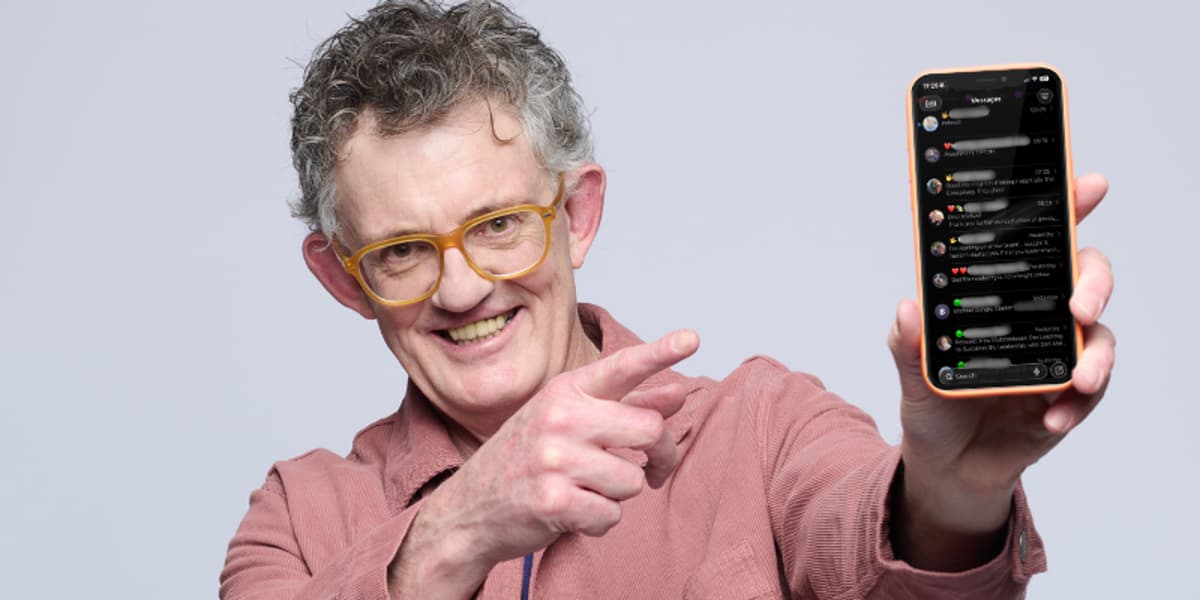
- •Tracks categories via phone symbols for quick status overview.
- •Adjusts circles based on give‑take balance, ensuring reciprocity.
- •Prioritizes depth over breadth, reducing loneliness and decision fatigue.
Pulse Analysis
The concept of a "social radius" isn’t new, but Stanier’s adaptation of Dunbar’s research into a practical, phone‑based system makes it actionable for busy professionals. By categorizing acquaintances into D15, D50 and D150, he translates an abstract cognitive limit into a concrete schedule: bi‑weekly conversations with the inner circle, semi‑annual meals with the middle tier, and annual touch‑points with the broader network. This tiered cadence mirrors how high‑performing executives allocate time—prioritizing strategic relationships while maintaining a pulse on peripheral contacts that could become future allies.
Implementation hinges on simple technology: a custom label or emoji next to each contact that instantly signals its tier. The visual cue eliminates mental overhead, allowing users to see at a glance whether they’re overdue for a call or need to schedule a meetup. Tracking interaction frequency also creates accountability; missed check‑ins become data points rather than vague regrets. For managers, this disciplined approach can improve team cohesion, as leaders model intentional outreach and demonstrate that every connection, even a brief text, holds value. Employees who feel seen are more likely to engage, share ideas, and stay committed, directly impacting retention and productivity.
Beyond individual benefit, the model offers a template for corporate culture. Companies can embed similar tiered networking into mentorship programs, client relationship management, and cross‑functional collaboration tools. By encouraging staff to map and nurture their professional circles, organizations foster a network‑rich environment where information flows freely and opportunities surface organically. In an era where remote work amplifies isolation, a structured yet humane system for staying connected can be a decisive competitive advantage.
Loving your people
Comments
Want to join the conversation?