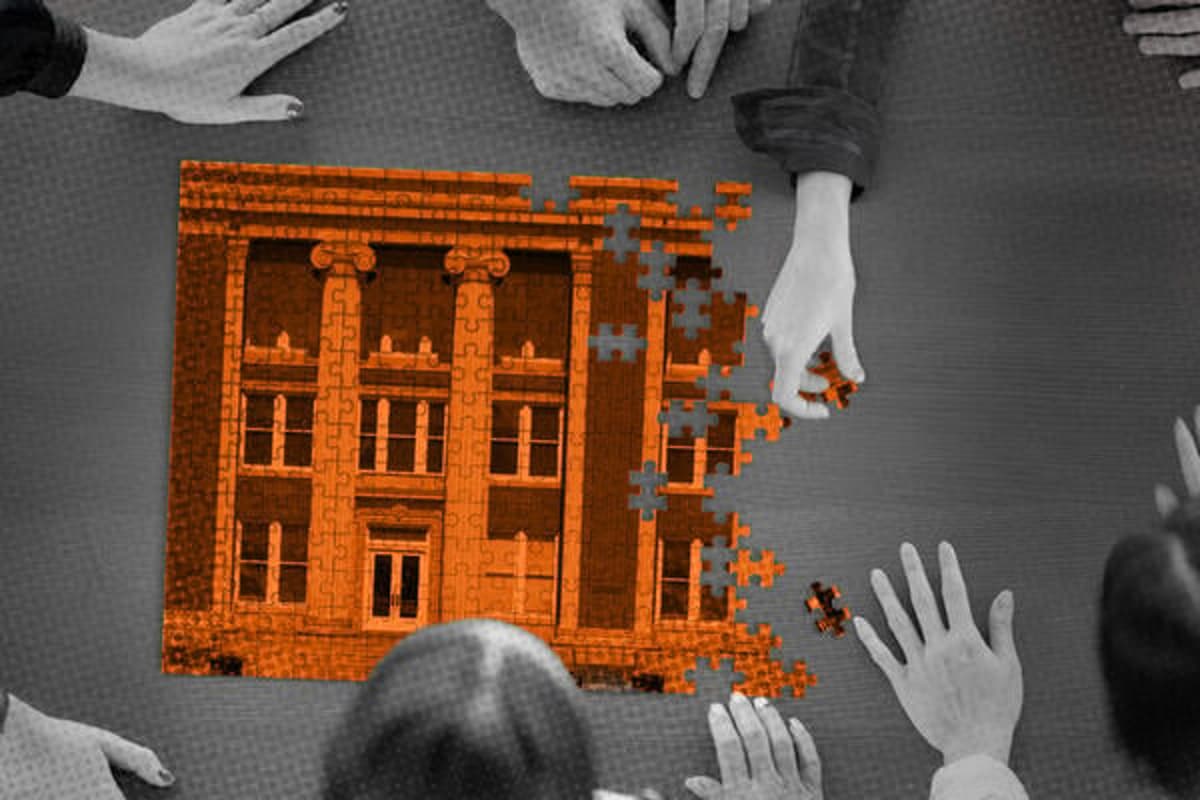
Presidents Puzzled on Rebuilding Public Trust in Higher Ed
Key Takeaways
- •Only 16% of presidents deem higher ed moderately effective at rebuilding trust
- •51% of institutions launched trust‑building initiatives, with public schools leading
- •PR and marketing dominate responses; fewer than 10% focus on affordability
- •Community colleges enjoy higher public confidence (56%) versus four‑year institutions (44%)
- •Experts recommend transparent outcomes, employer co‑ownership, and radical localism to rebuild trust
Pulse Analysis
Public confidence in higher education has barely nudged upward, according to a 2026 survey of 430 college presidents. While 51% of institutions report new trust‑building programs, the data reveal a heavy reliance on traditional public‑relations tactics—press releases, ROI storytelling, and media outreach. Such surface‑level efforts fall short of addressing the underlying concerns identified by Gallup and the Lumina Foundation: perceived political bias, rising costs, and doubts about the relevance of curricula. The survey also underscores a stark perception gap: only 16% of leaders believe their institutions are moderately effective at restoring trust, a figure that has doubled from the previous year but remains minuscule.
Experts and campus leaders point to concrete actions that can bridge the trust divide. Transparent reporting of program‑level outcomes—completion rates, time to degree, job placement and earnings—provides a factual foundation for public dialogue. Aligning curricula with real‑time labor‑market demands through employer co‑ownership, work‑based learning, and guaranteed internships shifts the narrative from promise to performance. Affordability measures, such as tuition freezes, targeted tuition‑free thresholds, and robust financial‑aid expansions, directly tackle the cost barrier that most respondents cite as a trust eroder. Community colleges, which already command a 56% confidence rating, illustrate the payoff of affordable, career‑oriented pathways.
The implications extend beyond enrollment numbers. Legislators, donors and state policymakers increasingly tie funding to demonstrable outcomes, making transparent, outcome‑driven strategies a fiscal imperative. Institutions that adopt radical localism—deep community engagement, open campus events, and transparent operations—can generate authentic word‑of‑mouth promotion that outperforms traditional advertising. As AI reshapes the workforce and public scrutiny intensifies, higher‑ed leaders must move from narrative‑centric PR to data‑driven, community‑anchored actions if they hope to secure a durable social license and financial stability.
Presidents Puzzled on Rebuilding Public Trust in Higher Ed
Comments
Want to join the conversation?