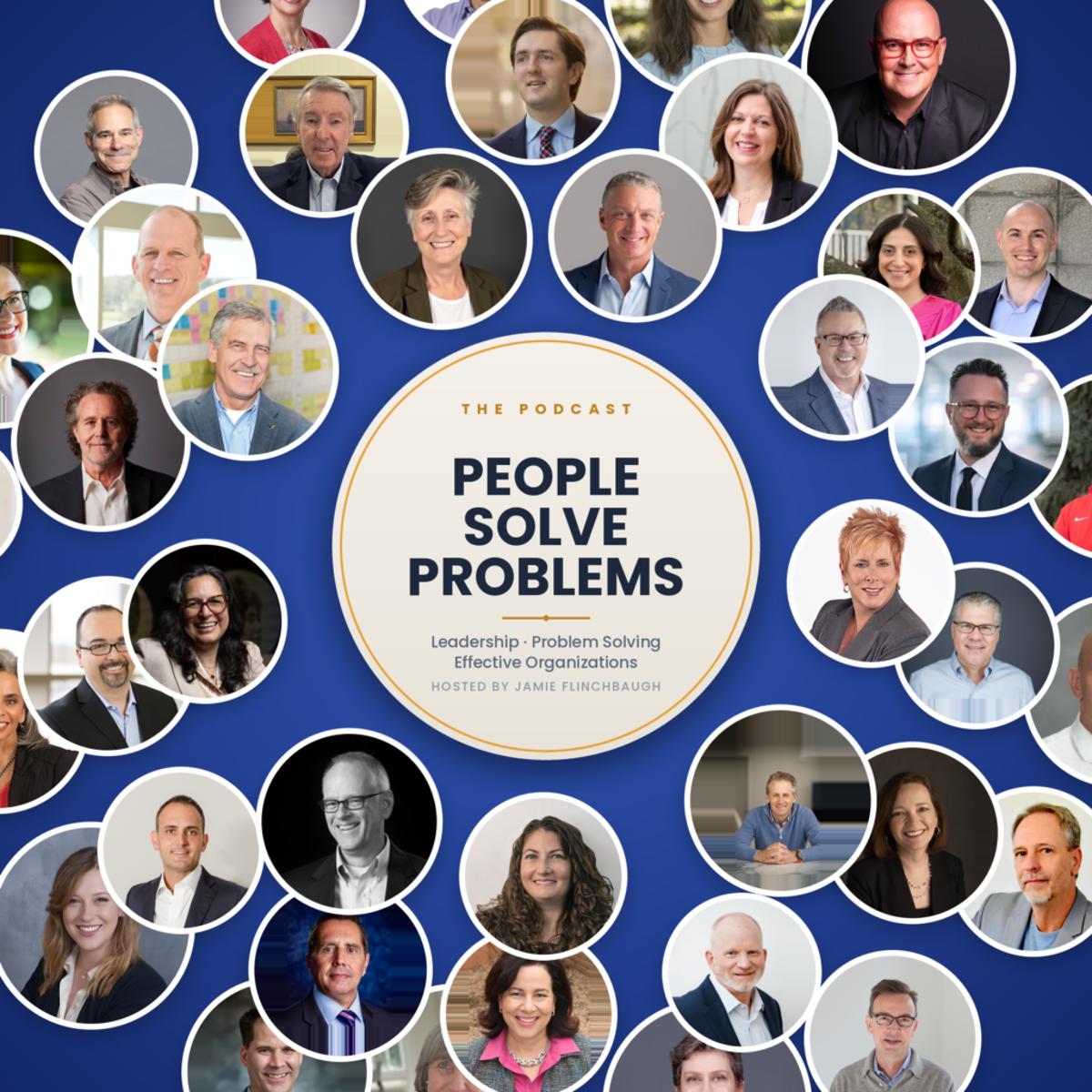
Key Takeaways
- •Prioritize problem owners over seniority for effective solutions
- •Limit active projects to 3‑5 high‑impact problems to maintain focus
- •Use structured gap analysis to uncover non‑technical root causes
- •Treat AI as collaborative teammate, aligning possibilities with corporate purpose
- •Build psychological safety so failure becomes a learning opportunity
Pulse Analysis
Problem solving in modern enterprises is less about rigid methodologies and more about the people and mindset behind them. Episodes of People Solve Problems consistently highlight that the most effective teams blend deep domain expertise with curious outsiders, creating a tension that surfaces the right questions. Leaders who deliberately limit the number of concurrent initiatives can allocate resources to high‑impact work, avoiding the diffusion of effort that stalls progress. This human‑centric approach, coupled with lightweight data collection, accelerates learning cycles and keeps momentum alive even when hard metrics are still emerging.
Technology and AI are often introduced as silver bullets, yet the podcast stresses that they merely amplify existing processes. Without a clear articulation of the underlying problem, new systems can accelerate mistakes rather than solve them. Structured gap‑analysis tools, like Grace Bourke’s Gap‑IT, help organizations differentiate between true technology needs and process improvements that can be addressed beforehand. Similarly, AI should be positioned as a collaborative teammate—offloading routine tasks, elevating human capabilities, or extending what teams can achieve—rather than a cost‑cutting substitute. Aligning AI initiatives with corporate purpose ensures investments generate genuine value.
Cultural foundations such as psychological safety, curiosity, and disciplined inquiry turn failure into a learning engine. Guests like Dr. Melisa Buie and Skip Steward illustrate how safe spaces for questioning and rapid experimentation foster resilient organizations. When teams feel empowered to surface uncomfortable truths, they can address knowledge gaps before they become costly errors. This mindset, reinforced through practices like TWI Job Relations or the FREE framework, creates a virtuous loop where each setback informs the next iteration. For leaders seeking sustainable competitive advantage, embedding these habits into daily workflows is the decisive factor that separates thriving enterprises from those stuck in reactive problem‑solving cycles.
What You Can Learn From the People Solve Problems Podcast
Comments
Want to join the conversation?