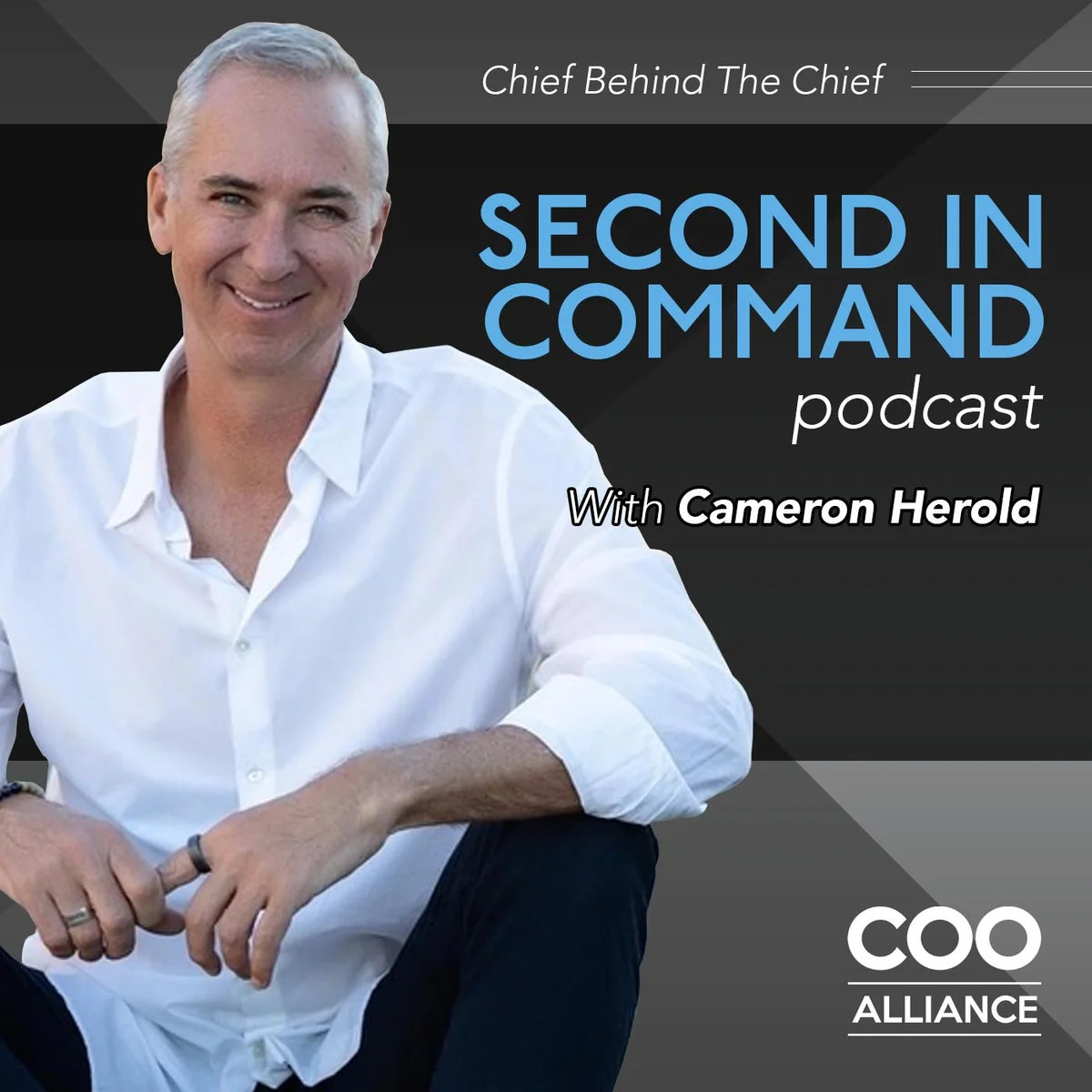
Why CEOs Need Opposites, Not Clones
Key Takeaways
- •CEOs benefit from leaders with contrasting skill sets
- •Complementary COOs turn vision into disciplined execution
- •Diverse perspectives reduce blind spots and improve decision quality
- •Tension between leaders drives better risk management
- •Hiring clones limits growth and amplifies misjudgments
Pulse Analysis
A growing body of research shows that cognitive diversity at the top tier of management improves firm outcomes. When CEOs recruit executives who think differently—whether in risk appetite, operational focus, or strategic horizon—they introduce constructive friction that surfaces hidden assumptions. This dynamic mirrors the "yin‑yang" principle, where opposing forces create a more resilient whole. Companies that institutionalize such balance often see higher innovation rates and lower incidence of strategic blunders, as varied viewpoints force leaders to test ideas more rigorously.
The COO role exemplifies the power of complementary leadership. While the CEO charts the long‑term vision, the COO translates that vision into day‑to‑day reality, overseeing processes, resource allocation, and performance metrics. This partnership reduces the likelihood of over‑optimistic planning by injecting disciplined prioritization and operational rigor. High‑performing firms like Amazon and Microsoft have long relied on this split—visionary founders paired with execution‑focused second‑in‑commands—to sustain rapid growth while maintaining operational excellence.
For CEOs seeking to build such balanced teams, the first step is to audit existing leadership traits and identify gaps. Recruiting should prioritize candidates whose strengths offset the CEO’s blind spots, rather than reinforce existing tendencies. Structured interview frameworks that test for divergent thinking, risk assessment, and execution discipline can surface the right fit. Moreover, fostering a culture that values respectful dissent ensures that the tension generated by complementary leaders translates into better decisions, not internal conflict. By deliberately engineering this oppositional synergy, CEOs can unlock higher performance and more sustainable scaling.
Why CEOs Need Opposites, Not Clones
Comments
Want to join the conversation?