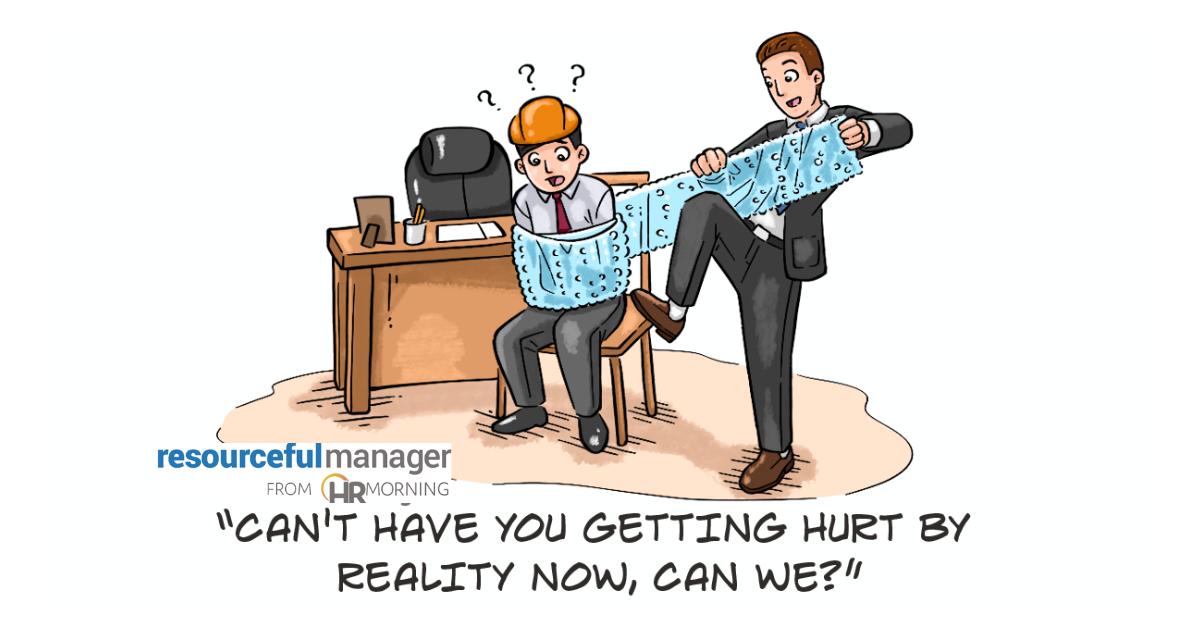
4 Leadership Tricks Managers Get Wrong
•February 16, 2026
0
Why It Matters
When managers fall into these traps, teams lose creativity, accountability, and growth, directly affecting productivity and retention. Correcting the habits aligns leadership with measurable business outcomes.
Key Takeaways
- •Managers overuse conformity, stifling innovation.
- •Overprotective behavior blocks employee growth and honest feedback.
- •Obsessive winning prevents reflection and learning.
- •Friendship focus blurs professional boundaries, harms performance.
- •Redesign manager role to prioritize high‑impact activities.
Pulse Analysis
The modern manager faces a paradox: good intentions can become performance killers. Chhaya’s study, backed by Gartner’s findings on expanding managerial workloads, reveals that well‑meaning actions—such as smoothing every conflict or shielding staff from harsh realities—often erode the very outcomes leaders seek. In an era where talent scarcity and rapid change demand agility, understanding why these habits backfire is essential for any executive aiming to sustain competitive advantage.
Conformity, overprotection, relentless winning, and over‑friendliness each create distinct blind spots. Conformity silences dissent, curbing the innovative spark that fuels market differentiation. Overprotective managers deny employees the feedback loop needed for skill development, while an obsessive win‑oriented mindset rushes decisions, bypassing critical reflection. Finally, blurring professional lines under the guise of friendship breeds perceived favoritism and dilutes authority. Leaders can counteract these pitfalls by encouraging constructive debate, delivering candid performance insights, scheduling post‑project retrospectives, and positioning themselves as mentors rather than peers.
For organizations, the takeaway is clear: redesign the manager role to focus on high‑impact activities that drive results. This means reallocating routine tasks, investing in leadership development that emphasizes psychological safety, and embedding metrics that reward learning and accountability over short‑term wins. By reshaping expectations and providing tools for managers to act strategically, companies can transform well‑intentioned behaviors into tangible performance gains, fostering resilient teams ready for tomorrow’s challenges.
4 Leadership Tricks Managers Get Wrong
0
Comments
Want to join the conversation?
Loading comments...