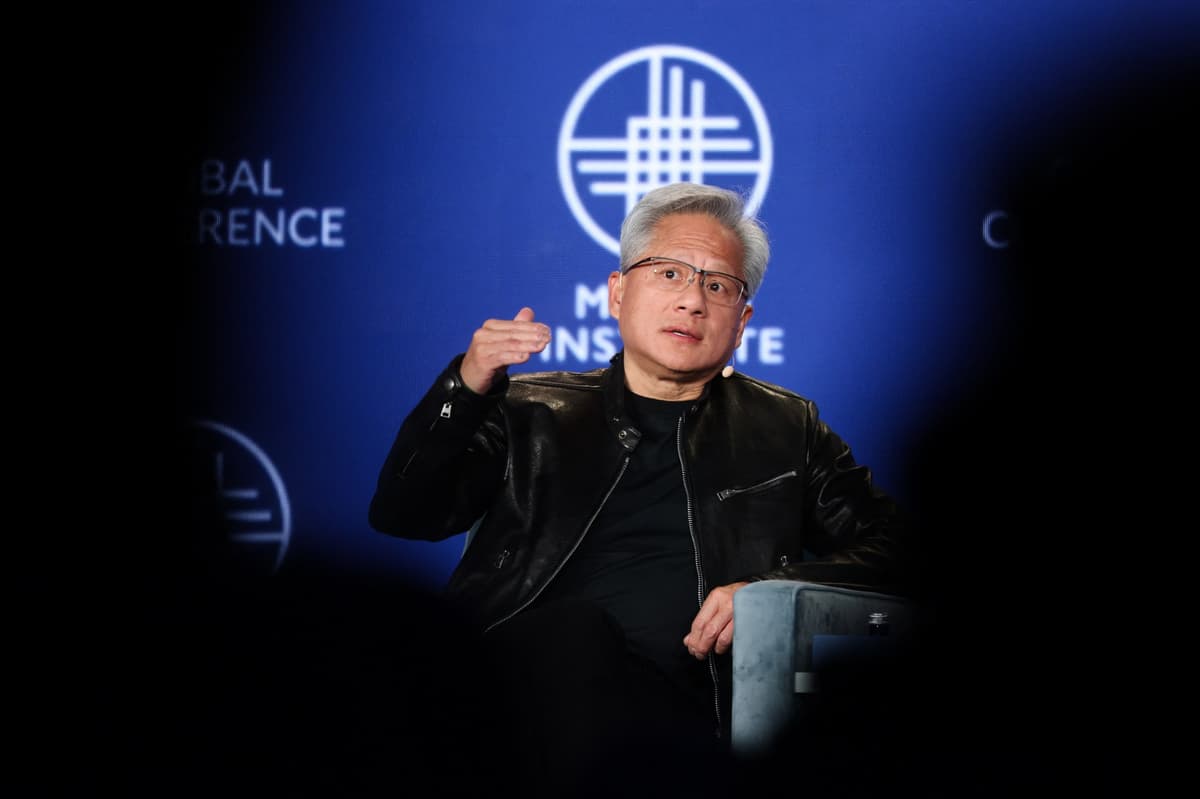
A Jittery CEO Crowd at Milken Looks Abroad for Growth—And Answers
Why It Matters
The shift signals capital flowing into high‑growth emerging economies, reshaping global investment patterns and intensifying tech‑geopolitical competition, while the bailout debate reflects mounting scrutiny of state intervention in corporate distress.
Key Takeaways
- •VEON CEO bullish on Pakistan's data economy and Bangladesh's female workforce
- •Brookfield Asset Management doubling Middle East investments amid emerging market optimism
- •Nvidia CEO warns against China accessing its most advanced chips
- •Ted Cruz opposes government bailout of Spirit Airlines, urges private capital
- •CEOs view China as AI and utility powerhouse, open to U.S. partnerships
Pulse Analysis
The Milken gathering revealed a growing consensus that the next wave of corporate growth will emerge from the Global South. VEON’s chief executive highlighted Pakistan’s transition from an oil‑dependent to a data‑producing economy and Bangladesh’s 180‑million‑strong population, where women now drive a sizable share of economic activity. Brookfield Asset Management reinforced this outlook by announcing a two‑fold increase in its Middle‑East exposure, a region traditionally viewed as risky but now seen as a gateway to digital infrastructure projects. Investors are recalibrating risk models to capture the upside of these demographically favorable markets.
Tech rivalry with China dominated the conference’s second theme. Nvidia CEO Jensen Huang warned that allowing Beijing access to the company’s most advanced chips could erode the United States’ competitive edge in artificial intelligence. Yet several executives countered, noting China’s aggressive push to treat electricity, water and AI as basic utilities and its rapid expansion in electric‑vehicle manufacturing. The dual narrative—caution over technology transfer and openness to cross‑border AI collaborations—signals that multinational firms must balance security concerns with the commercial lure of China’s massive market.
Political risk also surfaced, epitomized by Senator Ted Cruz’s blunt criticism of a proposed Spirit Airlines bailout. Cruz argued that a $500 million government stake would be a poor use of taxpayer money, preferring private capital to revive the carrier. His remarks echo a broader sentiment among CEOs that state intervention can distort market discipline and hinder long‑term value creation. The overall tone at Milken—a mix of optimism for emerging economies, wariness of geopolitical tech entanglements, and skepticism toward public bailouts—suggests corporate leaders are seeking more autonomous, globally diversified growth pathways.
A jittery CEO crowd at Milken looks abroad for growth—and answers
Comments
Want to join the conversation?
Loading comments...