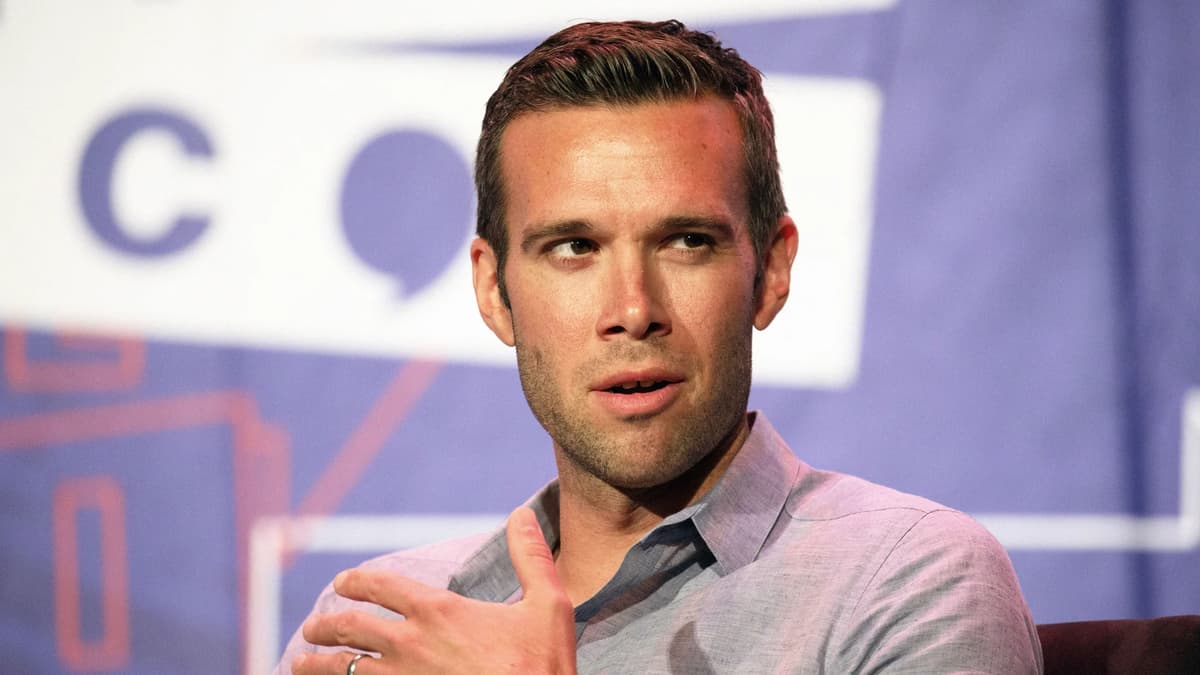
Barack Obama’s Former Speechwriter Says Founders Make This 1 Public Speaking Mistake. Here’s How to Avoid It
Why It Matters
Founders who master conversational, story‑driven speaking can secure investor confidence and rally teams, directly influencing a company’s growth trajectory. The advice bridges political speechcraft and startup leadership, offering a scalable communication advantage.
Key Takeaways
- •Write speeches like a conversation, not a formal document
- •Avoid lofty language; keep tone natural to build trust
- •Structure talks with clear beginning, middle, and end
- •Use humor and emotion to engage listeners
Pulse Analysis
Public speaking is a make‑or‑break skill for entrepreneurs, yet many founders treat it like a formal essay. Jon Favreau, who crafted some of the most resonant moments of the Obama era, reminds leaders that a speech should feel like a one‑on‑one conversation. When founders default to lofty jargon or rehearsed cadences, audiences sense distance, eroding credibility at the very moments they need trust—whether pitching venture capitalists or rallying employees.
The conversational approach works because the brain processes informal language as genuine interaction, triggering oxytocin release that fosters connection. Favreau’s advice to ditch the "history‑book" mindset aligns with research showing that authenticity outperforms polished rhetoric in high‑stakes settings. By speaking as if to a friend at a bar, founders lower listeners’ defenses, making persuasive arguments more absorbable. This shift also reduces the speaker’s anxiety, as the mental model moves from performance to dialogue.
Structure remains essential; a story with a clear beginning, middle, and end provides a cognitive roadmap. Opening with a hook captures attention, the middle builds tension with data or anecdotes, and the conclusion delivers a memorable call‑to‑action. Layering humor and emotion adds mnemonic cues, ensuring the message sticks. For founders, applying these tactics can translate into higher conversion rates on investor decks, stronger brand narratives, and more cohesive internal communication. In short, mastering conversational storytelling turns a routine address into a strategic growth engine.
Barack Obama’s Former Speechwriter Says Founders Make This 1 Public Speaking Mistake. Here’s How to Avoid It
Comments
Want to join the conversation?
Loading comments...