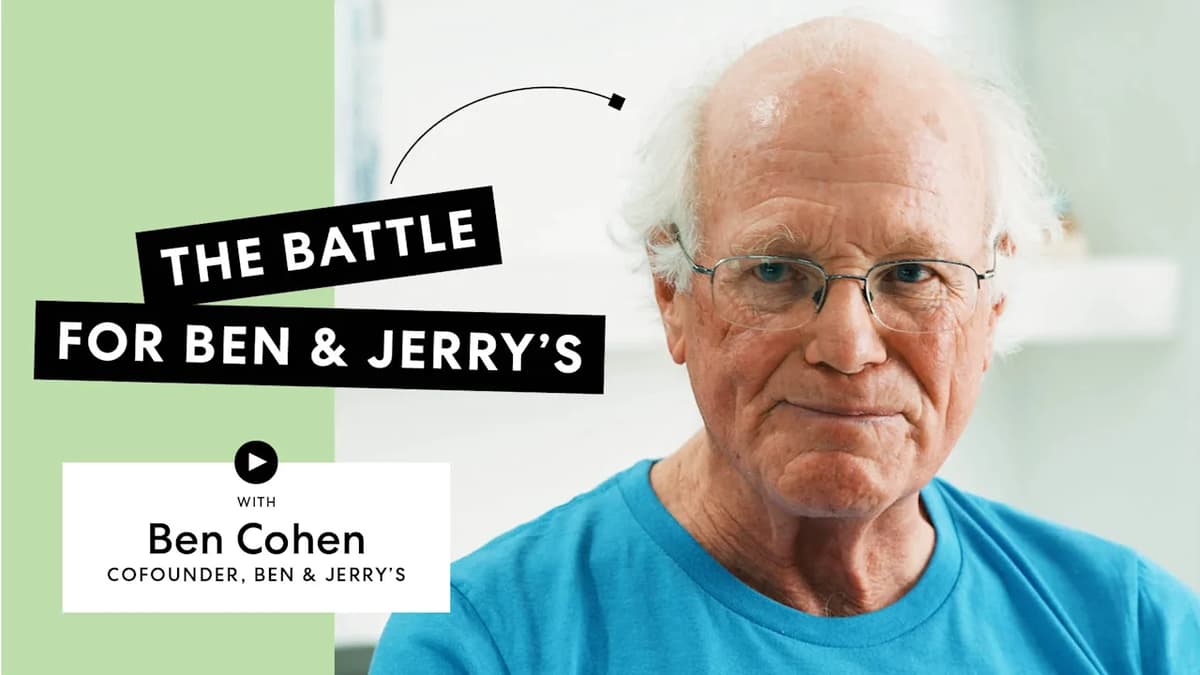
Ben Cohen Is Fighting to Free Ben & Jerry’s
Why It Matters
The showdown illustrates how new ownership can jeopardize a legacy brand’s social mission, potentially reshaping consumer loyalty and market positioning in the premium ice‑cream sector.
Key Takeaways
- •Magnum acquired Ben & Jerry’s in 2025.
- •Cohen alleges brand’s social voice is being muted.
- •Jerry Greenfield exited amid ownership dispute.
- •Cohen vows to restore activist messaging.
- •Stakeholder pressure may force corporate governance changes.
Pulse Analysis
Ben & Jerry’s has built a reputation on outspoken activism, from climate advocacy to racial equity, turning social issues into a core component of its brand identity. When Magnum Ice Cream, a subsidiary of a global confectionery conglomerate, completed the acquisition last year, investors anticipated synergies and expanded distribution. However, the cultural fit proved tenuous; Magnum’s more conservative corporate stance clashes with Ben & Jerry’s tradition of using product packaging and marketing to comment on geopolitical events, creating a friction point that now threatens the brand’s authenticity.
Cohen’s public accusations that Magnum is silencing commentary on the Gaza war, systemic racism, and campus protests signal a deeper governance battle. Jerry Greenfield’s departure, reportedly linked to disagreements over the brand’s direction, adds weight to concerns that the activist voice could be diluted. Cohen argues that preserving the brand’s values is not only a moral imperative but also a financial one, citing consumer research that purpose‑driven shoppers are willing to pay premiums for brands that align with their beliefs. The internal conflict may prompt a renegotiation of editorial control clauses in the acquisition agreement, or even trigger activist shareholder interventions.
The episode reflects a broader industry trend where legacy brands with strong social narratives are being absorbed by larger entities seeking growth. As consumers increasingly demand transparency and ethical conduct, companies must balance shareholder expectations with purpose‑centric messaging. Failure to reconcile these forces can erode brand equity and invite public backlash, while successful integration can set a precedent for profitably marrying activism with scale. Stakeholders will be watching closely to see whether Ben & Jerry’s can retain its activist edge under new ownership, potentially reshaping how conglomerates manage purpose‑driven subsidiaries.
Ben Cohen is fighting to free Ben & Jerry’s
Comments
Want to join the conversation?
Loading comments...