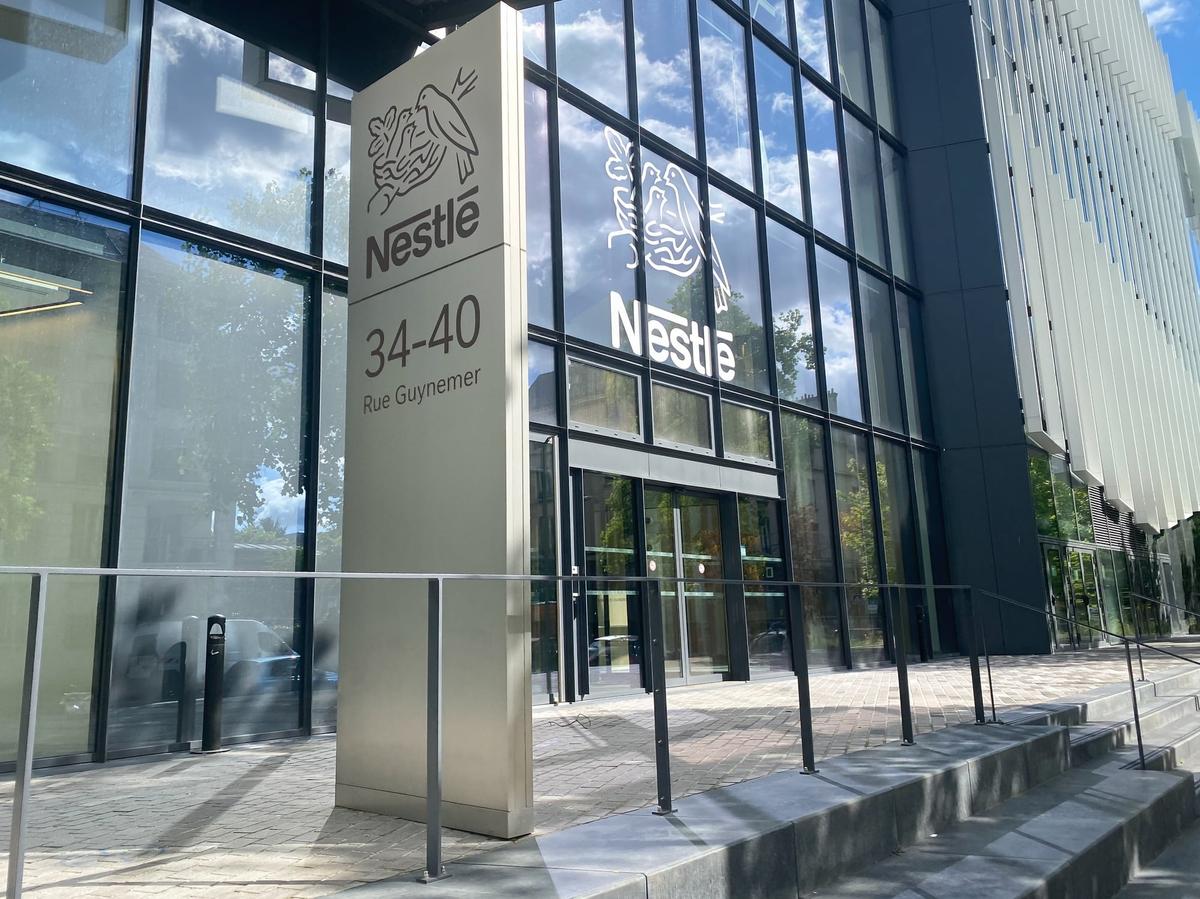
Big Food’s Leadership Crisis: Why CEOs Are Falling Faster than Ever
Why It Matters
Accelerated CEO turnover compresses the time needed to execute portfolio reshaping and innovation, jeopardizing Big Food’s ability to regain market relevance. Investors and consumers alike are watching whether new leadership can deliver sustainable growth amid fierce competition.
Key Takeaways
- •CEO turnover in Big Food accelerated, with multiple exits in 12 months
- •Boards demand rapid results, cutting average tenure to 4‑5 years
- •Operators and turnaround specialists replace traditional brand‑building CEOs
- •Private‑label competition exposes innovation gaps left by pandemic pricing
- •Frequent leadership changes risk disrupting long‑term strategic initiatives
Pulse Analysis
The wave of executive departures across the packaged‑goods sector reflects a structural shift that began during the pandemic. While COVID‑19 buoyed sales by simplifying SKU portfolios and leveraging robust supply chains, it also masked deeper innovation deficits. As private‑label rivals rebuilt distribution capabilities and consumers grew weary of price hikes triggered by the Ukraine conflict, Big Food’s volume growth stalled, exposing the fragility of a strategy that relied on short‑term pricing power rather than product renewal.
Boards are now operating on compressed timelines, with average CEO tenures in consumer‑facing firms shrinking to four or five years. Activist investors and shareholder pressure have turned leadership change into a visible lever for immediate accountability, often at the expense of longer‑term strategic projects such as brand repositioning or portfolio divestitures. The trade‑off is stark: rapid replacements can inject operational discipline, yet they also risk interrupting nascent innovation pipelines that require years to mature.
The emerging hiring pattern favors operators and turnaround experts, a departure from the traditional brand‑builder archetype. This trend, coupled with a persistent gender gap at the helm, raises questions about whether the skill set aligns with the industry’s next growth engine—consumer relevance through fresh product experiences. If leadership churn continues unchecked, Big Food may sacrifice the continuity needed to rebuild brand equity, leaving the sector vulnerable to further erosion by agile private‑label competitors.
Big Food’s leadership crisis: Why CEOs are falling faster than ever
Comments
Want to join the conversation?
Loading comments...