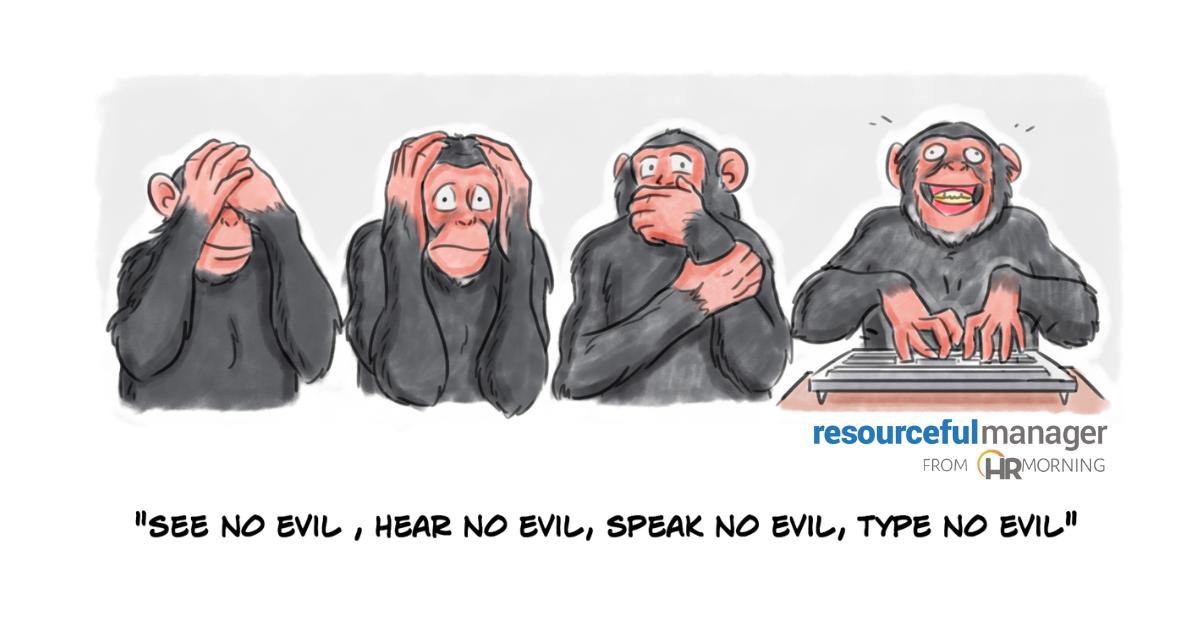
Do People Hate What You’re Writing? If You Have These 2 Bad Habits, They Do
Companies Mentioned
Why It Matters
These habits damage employee engagement and can lead to miscommunication, lowering productivity. Leaders who adopt transparent, inclusive writing foster stronger collaboration and reduce turnover.
Key Takeaways
- •Passive‑aggressive phrasing in emails erodes trust and clarity.
- •Common acronyms confuse readers; spell them out on first use.
- •Inclusive language like “team” replaces divisive terms such as “subordinate.”
- •Direct conversations outperform vague written directives for conflict resolution.
Pulse Analysis
Passive‑aggressive language has become a silent productivity killer in modern workplaces. A recent Preply survey identified ten phrases—such as “per my last email” and “just a gentle reminder”—that convey veiled criticism while maintaining a polite veneer. When employees interpret these cues as covert hostility, trust erodes and response times slow, prompting managers to spend extra effort clarifying intent. Recognizing the subtle power dynamics embedded in such wording is the first step toward healthier written communication.
Equally damaging are jargon‑laden or exclusive terms that alienate readers. Acronyms like LDI, ROI, or HRSA, when introduced without definition, create unnecessary cognitive load, especially for cross‑functional teams or new hires. Likewise, gendered phrases such as “the girls” or hierarchical labels like “subordinate” reinforce divisions and can trigger unconscious bias. Research in organizational behavior shows that inclusive language—using “team,” “everyone,” or spelling out acronyms on first mention—boosts comprehension and signals respect, leading to higher engagement scores.
Effective leaders replace ambiguous, written directives with direct, conversational feedback. Scheduling a brief meeting to discuss expectations, rather than relying on a terse email, clarifies intent and demonstrates empathy. Moreover, shifting pronouns from “I/me” to “we/us” signals collective ownership of goals. By consciously editing their language, executives not only prevent misunderstandings but also cultivate a culture of openness, which translates into faster decision‑making, lower turnover, and stronger bottom‑line performance.
Do People Hate What You’re Writing? If You Have These 2 Bad Habits, They Do
Comments
Want to join the conversation?
Loading comments...