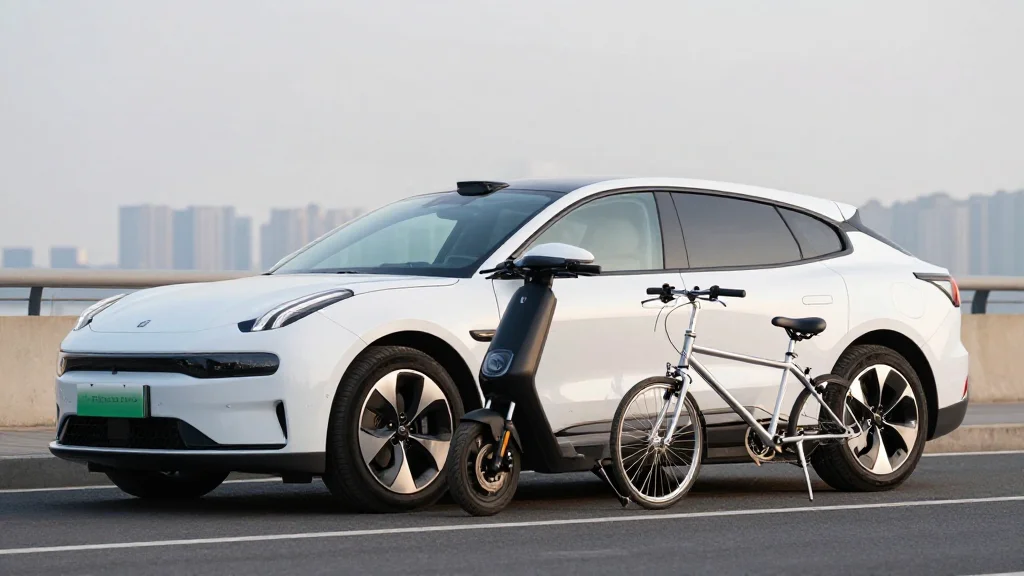
Driving Lyft Into the Future
Companies Mentioned
Why It Matters
Lyft’s shift to autonomous, multimodal transport could reshape urban mobility, unlock new revenue, and intensify competition with Uber and traditional automakers. Success would signal broader industry adoption of self‑driving services and influence regulatory standards.
Key Takeaways
- •Lyft to launch autonomous fleet in US cities by Q4 2026
- •Goal to integrate bikes, scooters, and public transit into one platform
- •Partnering with auto OEMs to develop proprietary self‑driving technology
- •Projected $2 billion incremental revenue from autonomous rides by 2028
- •Regulators expected to approve limited autonomous operations later this year
Pulse Analysis
Lyft’s 2026 roadmap reflects a broader industry pivot toward autonomous mobility, a trend accelerated by advances in sensor technology and AI-driven navigation. While Uber and traditional automakers have already deployed limited self‑driving services, Lyft’s ambition to embed autonomous rides within a multimodal platform differentiates its value proposition. By consolidating ride‑hailing, micro‑mobility, and public‑transit options, Lyft aims to capture a larger share of the commuter’s journey, reducing friction and increasing customer stickiness.
The company’s strategy hinges on deep collaborations with original equipment manufacturers (OEMs) and technology firms to secure proprietary self‑driving stacks. These partnerships are designed to lower development costs and accelerate time‑to‑market, while ensuring that safety and performance standards meet emerging regulatory frameworks. Lyft also plans to leverage its existing data trove to optimize routing, pricing, and vehicle utilization, potentially unlocking $2 billion in incremental revenue by 2028. Early deployments in dense urban corridors will serve as testbeds for scaling autonomous operations nationwide.
Investors are watching closely, as Lyft’s transition could redefine its growth trajectory and profitability outlook. Successful integration of autonomous vehicles may reduce driver‑related expenses and improve margins, but it also introduces new capital expenditures and regulatory risk. If Lyft can navigate these challenges, it could set a new benchmark for hybrid transportation platforms, prompting competitors to accelerate their own autonomous initiatives and reshaping the future of urban mobility.
Driving Lyft into the Future
Comments
Want to join the conversation?
Loading comments...