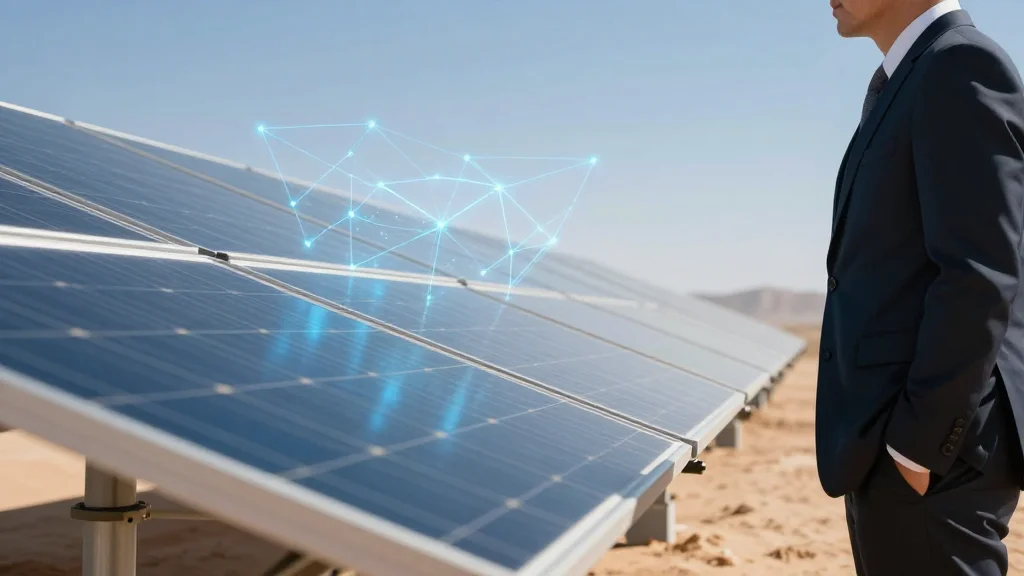
Dubai Energy Council Pushes Fuel Outlet Expansion as AI Drives Clean Power Strategy

Why It Matters
The council’s dual focus on expanding conventional fuel infrastructure and accelerating AI‑enabled clean‑energy projects reflects a broader shift in Gulf leadership toward hybrid energy models. By investing in AI, Dubai seeks to offset the operational costs of its ambitious renewable targets, ensuring that the transition does not compromise economic competitiveness. The fuel‑outlet expansion also addresses immediate mobility needs, crucial for maintaining Dubai’s position as a regional trade and tourism hub amid fluctuating oil markets. These moves signal to investors and regional partners that Dubai is committed to a resilient, diversified energy future. The integration of AI across power generation and water desalination could set a benchmark for other emirates, potentially reshaping the Gulf’s approach to energy security and sustainability.
Key Takeaways
- •Dubai Supreme Council of Energy approved expansion of retail fuel outlets at its 93rd meeting on April 22, 2026.
- •AI‑powered gas turbine controller at Jebel Ali and DEWA's Virtual Engineer launch in June 2026 aim to cut costs and boost efficiency.
- •Solar park capacity stands at 3,860 MW (21.5% of Dubai’s energy mix); target >36% clean energy by 2030, 100% by 2050.
- •Council members include CEOs of ENOC, Emirates Global Aluminium, and Dubai Petroleum, highlighting cross‑sector leadership.
- •Safety and traffic‑flow improvements at fuel stations were a key agenda item, per Secretary‑General Ahmed Buti Al Muhairbi.
Pulse Analysis
Dubai’s energy leadership is navigating a classic paradox: expanding fossil‑fuel infrastructure while pledging aggressive decarbonisation. The council’s decision to grow fuel outlets is pragmatic—Dubai’s logistics and tourism sectors still rely heavily on road transport, and a broader network reduces congestion and improves service reliability. However, the real strategic lever is AI. By embedding machine‑learning controllers in gas turbines and rolling out a virtual engineer, Dubai can extract more output from existing assets, lower emissions per megawatt, and free capital for renewable projects.
Historically, Gulf states have leaned on oil revenue to fund diversification. Dubai’s approach marks a departure: it leverages digital technology to stretch the value of its hydrocarbon base while simultaneously scaling solar and desalination capacity. This hybrid model could become a template for other oil‑rich economies facing the twin pressures of climate policy and market volatility. The council’s composition—spanning oil majors, aluminium producers, and municipal authorities—ensures that decisions are vetted across the value chain, reducing policy‑implementation gaps.
Looking forward, the success of these initiatives will hinge on measurable outcomes. If AI delivers the projected cost reductions and the fuel‑outlet rollout eases traffic bottlenecks without inflating emissions, Dubai will have demonstrated that growth and sustainability are not mutually exclusive. Conversely, any lag in AI deployment or a surge in fuel demand could strain the clean‑energy timeline, testing the council’s ability to recalibrate its roadmap in real time.
Dubai Energy Council Pushes Fuel Outlet Expansion as AI Drives Clean Power Strategy
Comments
Want to join the conversation?
Loading comments...