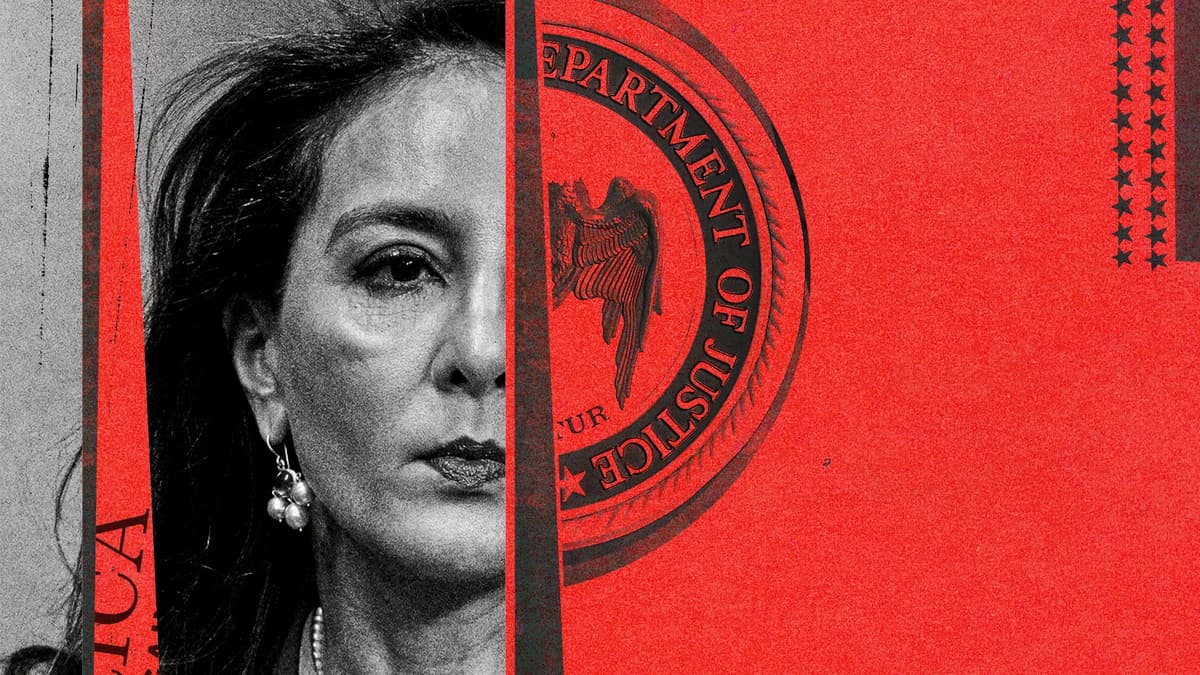
Harmeet Dhillon Is Not Wasting Any Time
Companies Mentioned
Why It Matters
The mass departure of experienced civil‑rights attorneys undermines the DOJ’s capacity to protect vulnerable groups and signals a broader politicization of federal law enforcement, affecting enforcement of voting, housing and anti‑discrimination statutes.
Key Takeaways
- •70% of Civil Rights Division lawyers left in 2025.
- •Dhillon halted DEI-related settlement in Lowndes County, Alabama.
- •Staff turnover far exceeds DOJ average: 76% vs 33% leaders.
- •Dhillon promoted “civil rights for all Americans” on conservative TV.
- •Rumors swirl about Dhillon’s possible rise to associate attorney general.
Pulse Analysis
The rapid turnover in the Justice Department’s Civil Rights Division reflects a strategic overhaul that prioritizes political loyalty over statutory mandates. Dhillon’s decision to cancel a Biden‑era environmental‑justice settlement in Lowndes County, Alabama, exemplifies how executive orders are now eclipsing long‑standing civil‑rights statutes such as the Fair Housing Act and Title II of the Civil Rights Act. This shift not only disrupts ongoing enforcement actions but also signals to career attorneys that adherence to traditional civil‑rights priorities may be career‑limiting under the current administration.
Beyond staffing crises, Dhillon’s public messaging on conservative platforms underscores a broader narrative: civil‑rights enforcement is framed as a partisan battle rather than a universal legal duty. By positioning the division as a tool for redistricting and anti‑DEI initiatives, the leadership is redefining the scope of federal oversight, potentially weakening protections for minorities, immigrants, and disabled individuals. The exodus of seasoned lawyers—76% of senior staff leaving—means institutional knowledge is eroding, which could delay or derail complex litigation that historically required deep expertise.
Looking ahead, Dhillon’s rumored ascent to associate attorney general could cement this ideological realignment across the DOJ. If realized, the precedent of subordinating congressional statutes to presidential directives may persist, reshaping how civil‑rights law is interpreted and applied nationwide. Stakeholders, from advocacy groups to corporate compliance officers, must monitor these developments closely, as the long‑term implications could alter the legal landscape for voting rights, housing discrimination, and workplace equality for years to come.
Harmeet Dhillon Is Not Wasting Any Time
Comments
Want to join the conversation?
Loading comments...