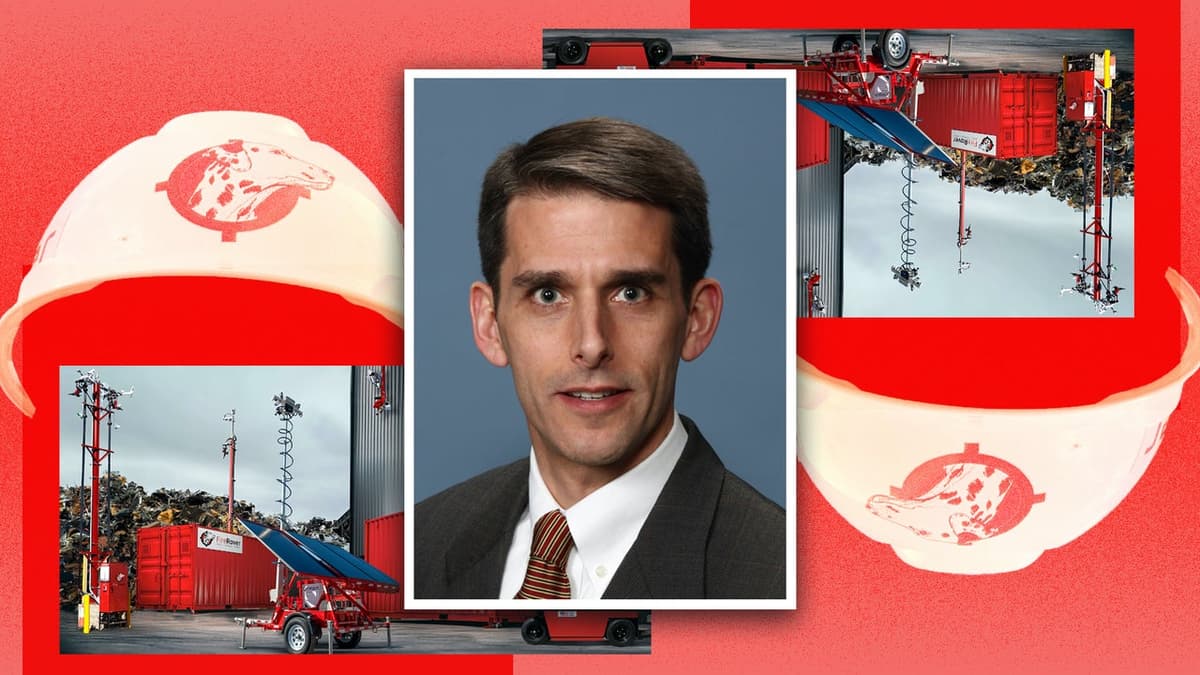
How This CEO Took Charge During a Crisis and Built a Firefighting Powerhouse
Why It Matters
Fire Rover’s growth proves that AI‑enabled safety solutions can disrupt legacy fire‑protection markets while delivering significant water‑savings, positioning the Midwest as a hotbed for deep‑tech entrepreneurship.
Key Takeaways
- •CEO Schmidt grew staff sixfold since 2019
- •AI detection extinguishes fires five minutes earlier
- •Uses 88% less water than conventional sprinklers
- •Inc. 5000 rank #1,434 in 2025
- •Midwest talent fuels deep‑tech scaling
Pulse Analysis
Industrial fire risk has long been a hidden cost for sectors such as waste management, scrap metal processing, and recycling. Traditional sprinkler systems react only after heat builds enough to trigger a valve, often causing extensive water damage and prolonged downtime. As facilities push throughput to meet efficiency targets, the frequency and severity of fires rise, creating a market opportunity for smarter, faster response technologies. Investors and operators alike are now seeking solutions that not only protect assets but also minimize collateral damage, a niche that AI‑powered detection and suppression directly addresses.
Fire Rover’s platform combines high‑resolution thermal imaging, light sensors, and proprietary computer‑vision algorithms to spot incipient flames within seconds. Once a hotspot is confirmed, remote operators deploy a concentrated water mist that can douse the fire up to five minutes before a sprinkler would engage, using roughly 88% less water. This precision reduces cleanup costs, accelerates return‑to‑service times, and aligns with sustainability goals by conserving a vital resource. The company’s remote‑operated suppression model also scales across geographically dispersed sites, offering a centralized monitoring hub that lowers staffing overhead while maintaining rapid response capabilities.
The company’s meteoric rise under Schmidt highlights broader trends in U.S. tech geography. By tapping into the Midwest’s deep bench of skilled tradespeople and engineers, Fire Rover sidesteps the talent wars of coastal hubs and benefits from lower operating costs. Schmidt’s finance background and emphasis on codified culture have enabled disciplined growth, as evidenced by a sixfold staff increase and a top‑quarter placement on the Inc. 5000. Looking ahead, the firm is poised to expand its AI suite into predictive analytics, helping customers anticipate fire‑prone conditions before they materialize, further cementing its role as a catalyst for safer, more efficient industrial operations.
How this CEO took charge during a crisis and built a firefighting powerhouse
Comments
Want to join the conversation?
Loading comments...