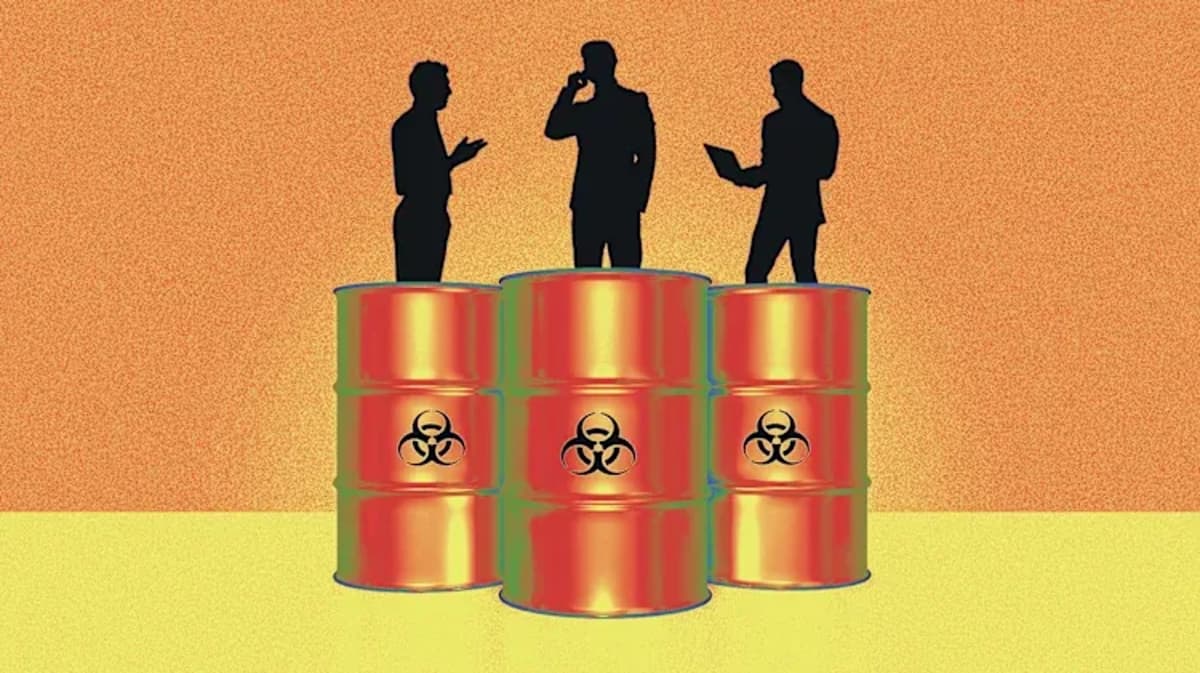
How to Spot the Red Flags of a Toxic Culture
Companies Mentioned
Why It Matters
A toxic culture depresses productivity, drives talent loss, and harms shareholder value, making early detection critical for sustainable growth.
Key Takeaways
- •Rewards favor visibility over actual performance.
- •Charismatic leaders lack integrity and accountability.
- •High performers become disengaged, leading to talent loss.
- •Nepotism eclipses meritocracy, fostering mediocrity.
- •Early warning signs often ignored until dysfunction spreads.
Pulse Analysis
Workplace culture functions as an organization’s operating system, shaping how decisions are made and how employees feel about their daily work. When that system turns toxic, the fallout can be as dramatic as the scandals that toppled Enron, Uber’s internal turmoil, or Theranos’s secrecy‑driven collapse. These cases illustrate that a culture that rewards politics over performance erodes trust, stifles innovation, and ultimately damages the bottom line. Understanding the warning signs allows companies to intervene before reputational and financial damage becomes irreversible. The financial impact is tangible, with studies linking poor culture to up to 30% higher turnover costs.
The first red flag is a disconnect between performance and rewards. When promotions, bonuses, or recognition are granted based on visibility, senior‑leader proximity, or political savvy rather than measurable output, high‑performing employees quickly lose motivation. A second warning sign is leadership that dazzles with charisma but lacks integrity, consistently saying one thing and doing another. Such leaders tolerate loyalty over competence, creating an environment where nepotism thrives and meritocracy withers, leading to widespread disengagement and a rise in mediocrity across teams. Consequently, teams become risk‑averse, stifling the creative problem‑solving essential for competitive advantage.
Companies that act early can reverse the trajectory. Implementing transparent performance metrics, tying compensation directly to outcomes, and fostering open dialogue reduces the appeal of political maneuvering. Leadership development programs that emphasize ethical decision‑making and accountability, as demonstrated by Satya Nadella’s cultural overhaul at Microsoft, can shift an organization toward curiosity, collaboration, and continuous learning. Regular pulse surveys and anonymous feedback platforms give leaders data‑driven insight into cultural health. By monitoring the six red flags outlined in this guide, executives protect talent, sustain productivity, and safeguard long‑term shareholder value.
How to Spot the Red Flags of a Toxic Culture
Comments
Want to join the conversation?
Loading comments...