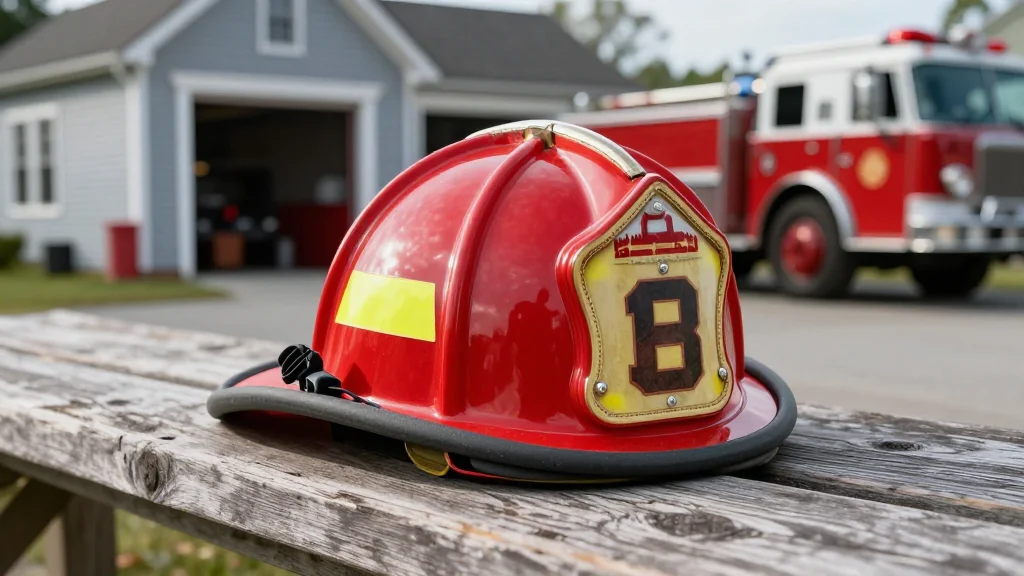
Maine Firefighter Resignations Leave Volunteer Department Depleted
Why It Matters
The abrupt loss of half the volunteer force jeopardizes emergency response times and public safety in Wales, underscoring governance and staffing challenges common to small-town fire services.
Key Takeaways
- •12 firefighters quit, leaving roughly 10 volunteers remaining
- •Resignations stem from concerns over chief’s leadership and department readiness
- •Town hired Portland law firm for independent investigation
- •Wales now depends on mutual aid from Sabattus, Litchfield, Monmouth
Pulse Analysis
Volunteer fire departments across the United States face a chronic staffing shortage, and the Wales, Maine crisis exemplifies how quickly a small community can become vulnerable. Rural municipalities often depend on part‑time volunteers who balance firefighting with other jobs, making recruitment and retention a perpetual challenge. When a single leadership dispute triggers a wave of departures, the entire emergency response framework can collapse, forcing towns to lean heavily on neighboring jurisdictions for basic protection.
Effective leadership is the linchpin of any fire service, especially one staffed by volunteers. Concerns raised by the departing Wales firefighters—ranging from perceived inadequacies in training to equipment readiness—highlight how a chief’s qualifications and management style directly affect morale and operational confidence. In many small departments, the chief often wears multiple hats, from training officer to budget overseer, so any perceived shortfall can ripple through the ranks, prompting resignations that erode the department’s capability to meet national safety standards.
The town’s decision to retain an independent Portland law firm for a thorough investigation signals a commitment to transparency and potential reform. While the investigation proceeds, Wales must continue to rely on mutual aid agreements with Sabattus, Litchfield and Monmouth, a common contingency that can strain regional resources if multiple towns face similar crises. Policymakers and municipal leaders can learn from this episode by prioritizing leadership vetting, offering robust training programs, and establishing succession plans to safeguard essential public‑safety services.
Maine firefighter resignations leave volunteer department depleted
Comments
Want to join the conversation?
Loading comments...