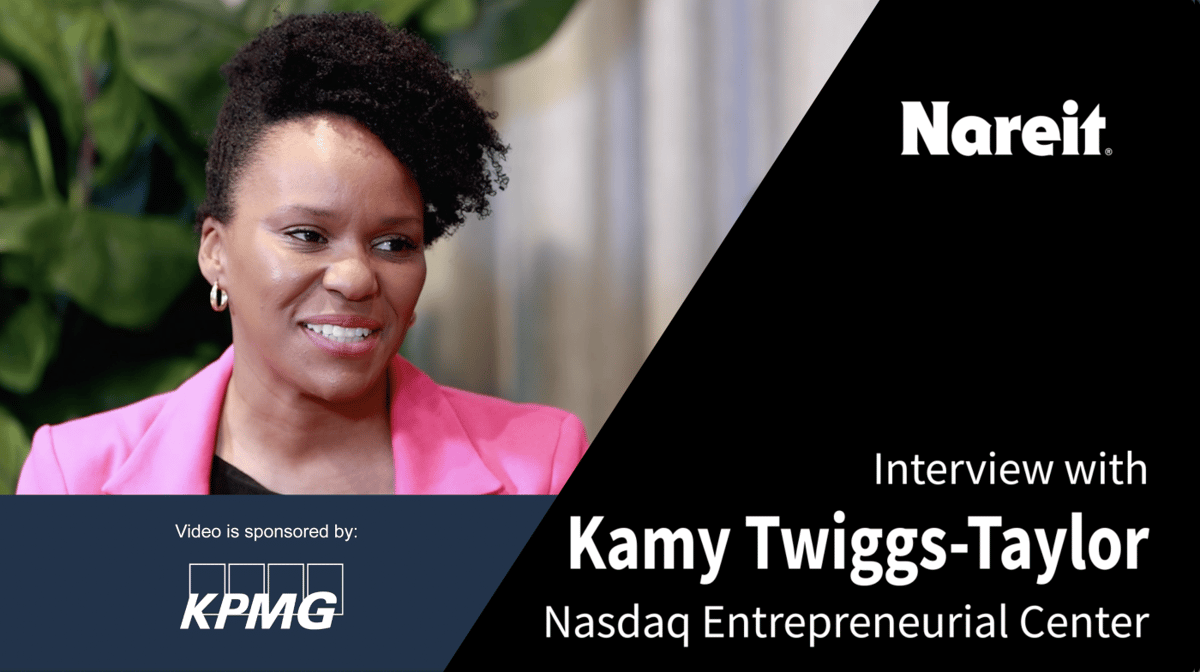
Nasdaq Director on Benefits of Reframing Volunteerism as Professional Development Opportunity
Companies Mentioned
Why It Matters
Reframing volunteerism as professional development turns a CSR expense into a talent‑building engine, directly boosting workforce capability and bottom‑line performance. It gives leaders quantifiable data to justify purpose‑driven initiatives to investors and boards.
Key Takeaways
- •Volunteerism becomes a structured leadership development program
- •Employees gain coaching, problem‑diagnosis, and strategic thinking skills
- •Align initiatives with clear learning objectives and business goals
- •Track participation alongside retention, mobility, and team effectiveness
- •Purpose‑driven programs strengthen culture while delivering enterprise value
Pulse Analysis
The conversation around corporate social responsibility is evolving from philanthropy to strategic talent development. At Nareit’s REITwise conference, Kamy Twiggs‑Taylor highlighted how the Nasdaq Entrepreneurial Center’s Milestones Circle Program is redefining volunteerism as a professional development platform. By embedding clear learning objectives into community projects, companies can turn altruistic activities into a laboratory for building high‑impact skills such as coaching, root‑cause analysis, and strategic planning—competencies that are otherwise costly to acquire through traditional training.
Implementing this approach requires deliberate design and robust measurement. Twiggs‑Taylor cited an HR professional who, through mentoring an entrepreneur, honed the ability to diagnose core business problems and guide strategic decisions. To translate these anecdotal wins into enterprise value, firms should capture participation data alongside deeper outcomes like employee retention, internal mobility, and team effectiveness. Such metrics provide a tangible link between purpose‑driven initiatives and the bottom line, satisfying both cultural aspirations and shareholder expectations.
For investors and executives, the shift signals a new lever for competitive advantage. Purpose‑driven programs that double as leadership pipelines can accelerate succession planning, reduce turnover costs, and reinforce a culture of continuous learning. As more organizations adopt this reframed model, volunteerism is poised to become a measurable component of talent strategy, delivering both societal impact and measurable financial returns.
Nasdaq Director on Benefits of Reframing Volunteerism as Professional Development Opportunity
Comments
Want to join the conversation?
Loading comments...