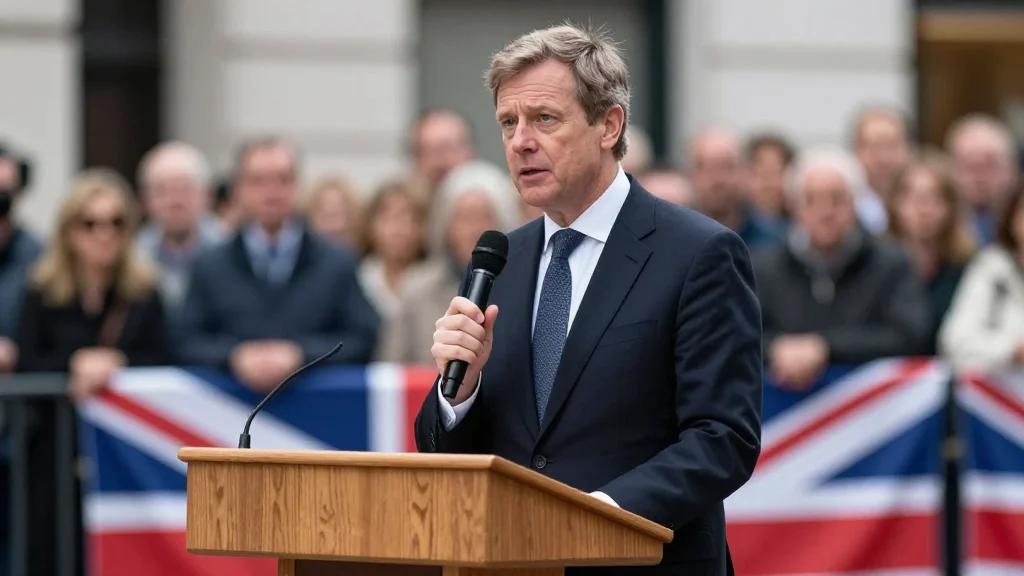
Nigel Farage Vows to Confront Riots and Strikes to Slash UK Welfare Bill

Why It Matters
Farage's vow to confront civil unrest over welfare cuts highlights a growing willingness among some political leaders to prioritize fiscal objectives over conventional protest management. The approach could reshape the UK's political discourse on welfare, potentially shifting the balance between austerity measures and social safety nets. Moreover, the rhetoric raises concerns about the health of democratic protest rights, as leaders invoke forceful language to deter dissent. If Farage's strategy gains traction, it may embolden other parties to adopt similarly hard‑line stances on contentious policy areas, influencing future legislative battles and public debate. The episode also serves as a barometer for public tolerance of aggressive leadership tactics in a democratic society, with implications for how future reforms are framed and contested.
Key Takeaways
- •Nigel Farage announced he will "face down riots, protests and strikes" to cut the UK's welfare bill.
- •The statement was made in a Daily Mail interview published on 24 April 2026.
- •Farage framed the welfare issue as a divide between those who work and those who don’t.
- •No specific fiscal targets or timelines were disclosed.
- •The pledge has prompted immediate criticism from opposition parties and concerns about protest rights.
Pulse Analysis
Farage's declaration marks a stark escalation in the rhetoric of fiscal reform. Historically, Reform UK has advocated for smaller government and reduced public spending, but the leader's willingness to confront civil disorder directly is a departure from the more conventional policy‑focused campaigning of mainstream parties. This shift reflects a broader populist playbook: positioning oneself as the sole champion of national interest against entrenched bureaucracies and perceived elite resistance.
The strategic calculus appears two‑fold. First, by threatening to suppress protests, Farage aims to intimidate opposition and signal resolve to his base, potentially consolidating support among voters frustrated with perceived welfare dependency. Second, the move forces the ruling coalition into a defensive posture, compelling them to articulate their own welfare strategy under heightened scrutiny. However, the gamble carries significant risk. If public backlash intensifies, Farage could be painted as authoritarian, alienating moderate supporters and energizing labor unions.
Looking ahead, the real test will be whether Farage can translate this rhetoric into legislative action. The UK Parliament's composition, with a fragmented opposition and a government wary of electoral backlash, may limit the feasibility of sweeping cuts without broad consensus. Moreover, any attempt to curtail protests could trigger legal challenges and international criticism regarding civil liberties. In sum, Farage's hard‑line posture injects volatility into the welfare debate, and its outcomes will likely reverberate through UK politics for months to come.
Nigel Farage vows to confront riots and strikes to slash UK welfare bill
Comments
Want to join the conversation?
Loading comments...