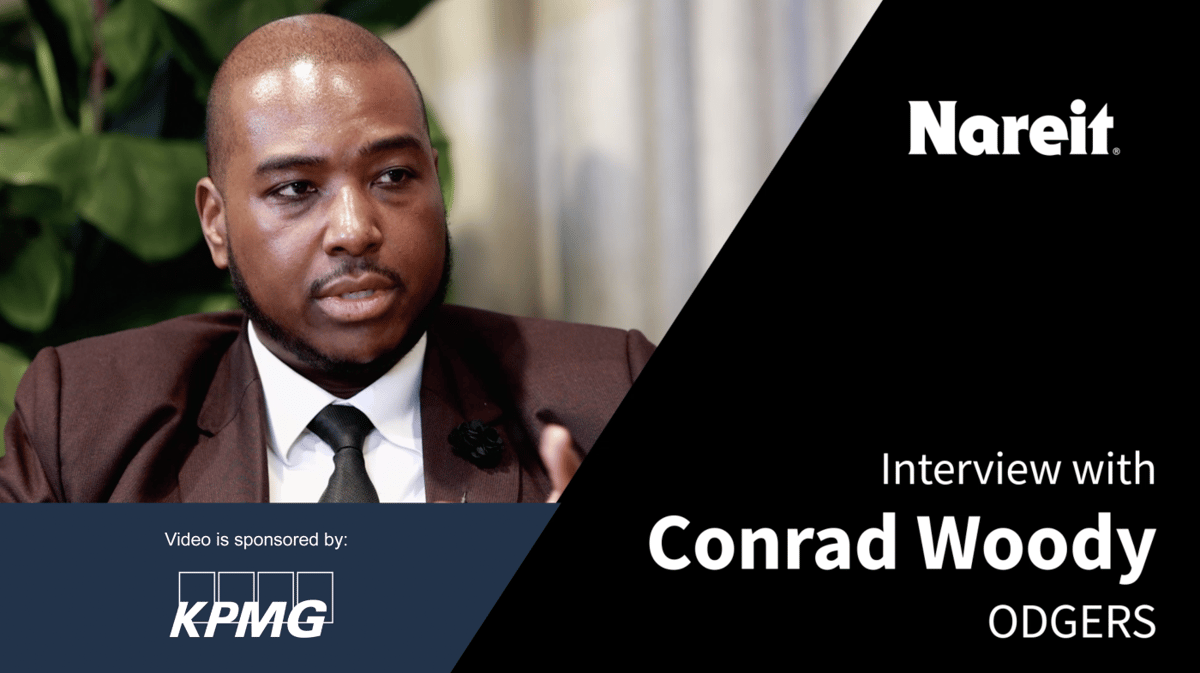
Odgers’ Conrad Woody on Future-Proofing Leadership in the Age of AI
Why It Matters
Companies that ignore AI‑focused leadership risk losing competitive edge, talent, and shareholder value in a rapidly digitizing market.
Key Takeaways
- •AI adoption, leadership, change management critical for competitiveness
- •Tie leadership development metrics to compensation for accountability
- •Build adaptable talent pipelines to mitigate human‑capital risk
- •Use experiential recruitment to attract Gen Z talent
- •Blend internal development with external hiring for strategic growth
Pulse Analysis
Artificial intelligence is reshaping the real‑estate investment trust (REIT) sector, forcing executives to rethink how they lead and allocate resources. Woody’s remarks at the REITwise conference highlight a broader industry shift: AI is no longer a pilot project but a strategic imperative that touches underwriting, asset management, and tenant services. Leaders who embed AI into core processes can unlock data‑driven insights, accelerate decision cycles, and ultimately deliver higher returns for investors. However, the technology’s rapid evolution also creates uncertainty, making robust change‑management frameworks essential to keep teams aligned and productive.
A recurring theme in Woody’s interview is the need for measurable succession planning that directly ties leadership development to compensation. By quantifying skill gaps and linking progress to pay, firms create tangible incentives for executives to prioritize talent grooming. This approach mitigates human‑capital risk, ensuring that critical knowledge does not evaporate when senior leaders depart. Moreover, a data‑centric talent strategy enables boards to forecast future skill requirements, aligning recruitment budgets with long‑term AI roadmaps rather than reacting to ad‑hoc staffing needs.
Attracting the next generation of talent, particularly Gen Z, requires a departure from traditional hiring playbooks. Woody advocates experiential engagement—immersive projects, cross‑functional rotations, and visible impact opportunities—that resonate with younger professionals seeking purpose and rapid growth. Combining internal upskilling programs with strategic external hires creates a hybrid talent pipeline capable of navigating both legacy operations and emerging AI initiatives. Companies that master this balance will not only fill immediate skill shortages but also build a resilient workforce that validates and sustains their AI‑centric strategies.
Odgers’ Conrad Woody on Future-Proofing Leadership in the Age of AI
Comments
Want to join the conversation?
Loading comments...