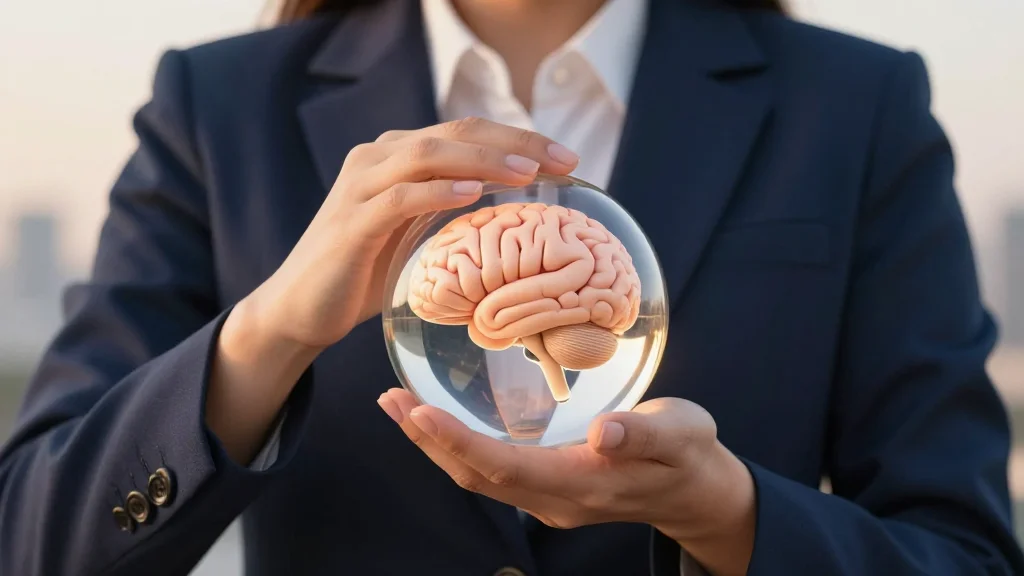
Philip Morris International’s Moira Gilchrist Positions Human Judgment as a Critical Leadership Advantage Amid Rapid AI Adoption at Wall Street Journal Forum
Why It Matters
Companies that deliberately protect and develop human judgment will retain competitive advantage and ethical credibility while AI automates routine work, making cognition a decisive differentiator in the next wave of business transformation.
Key Takeaways
- •Human judgment, intuition, and creativity are positioned as strategic assets
- •PMI invested over $16 billion since 2008 in smoke‑free product development
- •Smoke‑free products generated 43 % of PMI’s Q1 2026 net revenues
- •PMI’s white paper flags cognitive atrophy, attention erosion, and trust challenges
- •Leaders who nurture judgment are seen as better equipped for AI‑driven disruption
Pulse Analysis
The rapid diffusion of generative AI tools has forced executives to reevaluate the skill sets that truly differentiate their organizations. While algorithms excel at processing vast data sets, they lack the contextual awareness, ethical reasoning, and creative spark that human leaders bring to complex decisions. Moira Gilchrist’s remarks at the WSJ forum echo a growing chorus of CEOs and scholars who view cognition as a scarce resource, urging firms to embed judgment‑centric practices into talent development, performance metrics, and boardroom dialogue.
Philip Morris International illustrates this principle through its own strategic pivot. After committing more than $16 billion to research and commercialization of heat‑not‑burn, nicotine‑pouch and e‑vapor products, PMI now reports that smoke‑free offerings contribute 43 % of its first‑quarter 2026 revenue. The company’s shift demonstrates how a clear purpose—delivering a smoke‑free future—can be amplified when human insight guides product design, regulatory navigation, and market adoption, ensuring technology serves a broader health‑focused mission rather than merely driving sales.
The broader implication for the corporate world is a call to action: protect cognitive health, mitigate attention erosion, and close the emerging cognitive divide between highly automated roles and those that still require nuanced judgment. Leaders can do this by fostering cross‑functional collaboration, encouraging ethical deliberation, and investing in continuous learning programs that sharpen intuition and creativity. As AI continues to automate routine knowledge work, organizations that champion human judgment will not only safeguard trust but also unlock sustainable value creation in an increasingly automated economy.
Philip Morris International’s Moira Gilchrist Positions Human Judgment as a Critical Leadership Advantage Amid Rapid AI Adoption at Wall Street Journal Forum
Comments
Want to join the conversation?
Loading comments...