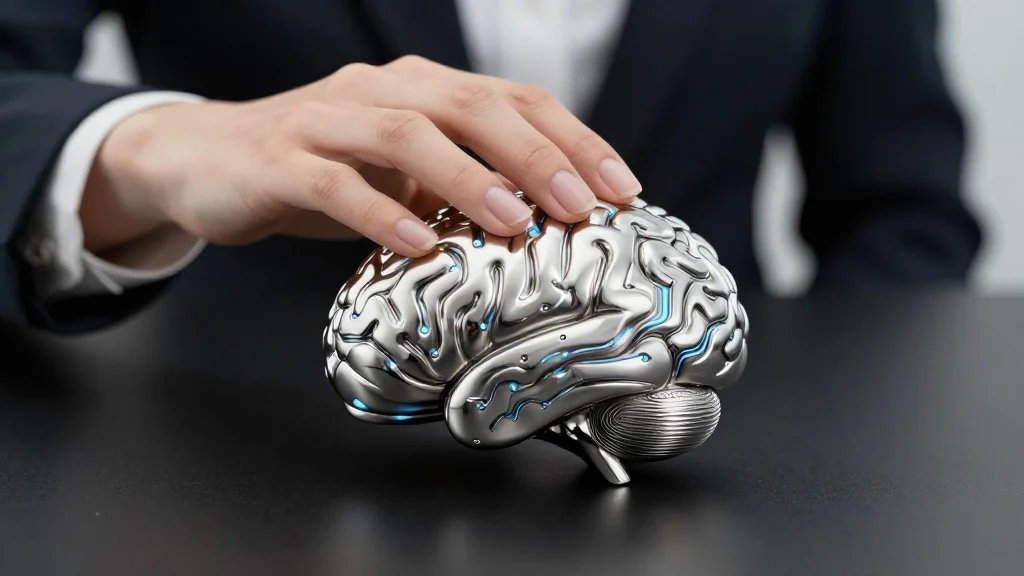
Piedmont Global Names Sarah Hamilton Head of Talent Systems, Boosting AI‑Driven Workforce Strategy

Companies Mentioned
Why It Matters
The appointment of Sarah Hamilton reflects a growing consensus that talent management must evolve from administrative support to strategic architecture. As AI tools become ubiquitous, firms that integrate talent analytics and AI‑augmented workflows can respond faster to market shifts, close skill gaps, and deliver higher‑value services. For the leadership space, this signals a shift toward roles that blend people strategy, technology governance, and business outcomes, redefining the skill set required of senior executives. Moreover, Piedmont Global’s public commitment to AI‑driven talent systems may accelerate adoption across the consulting and professional services sector, where competition for specialized talent is fierce. Companies that lag in building such systems risk higher turnover, slower project delivery, and diminished client confidence, while early adopters could capture a measurable productivity premium.
Key Takeaways
- •Sarah Hamilton named Head of Talent Systems at Piedmont Global on April 30, 2026
- •Role expands beyond HR to include AI‑augmented talent architecture and workforce planning
- •JPMorgan CIO oversees $19.8 billion tech budget and 65,000 technologists, illustrating industry AI adoption
- •JPMorgan’s LLM Suite onboarded 200,000 employees within eight months of launch
- •Piedmont plans to release talent‑system performance metrics by Q3 2026
Pulse Analysis
Piedmont Global’s decision to create a senior talent‑systems role is more than a branding exercise; it is a structural response to the accelerating pace of AI integration in knowledge work. Historically, HR departments have been viewed as cost centers, but the rise of AI‑enabled talent analytics transforms people data into a strategic asset. By positioning Hamilton at the helm, Piedmont is aligning its talent function with the same rigor applied to technology investments, a move that mirrors how banks like JPMorgan are treating AI agents as core business infrastructure.
The broader market implication is a potential re‑definition of C‑suite composition. As firms adopt AI‑driven talent platforms, we may see a new class of executives—Chief Talent Architects or Heads of Talent Systems—reporting directly to CEOs or COOs. This could compress the decision‑making chain for workforce initiatives, enabling faster reskilling and redeployment in response to client demand. Companies that fail to institutionalize such roles risk a talent lag that could erode margins in an increasingly skill‑centric economy.
From an investor perspective, the shift signals a focus on higher‑margin, knowledge‑intensive services where talent velocity directly impacts revenue. Monitoring Piedmont’s upcoming talent‑system KPIs will provide early evidence of whether this architectural approach delivers the promised gains in productivity and client satisfaction. If successful, the model could become a template for other global service firms seeking to future‑proof their workforce against rapid technological change.
Piedmont Global Names Sarah Hamilton Head of Talent Systems, Boosting AI‑Driven Workforce Strategy
Comments
Want to join the conversation?
Loading comments...