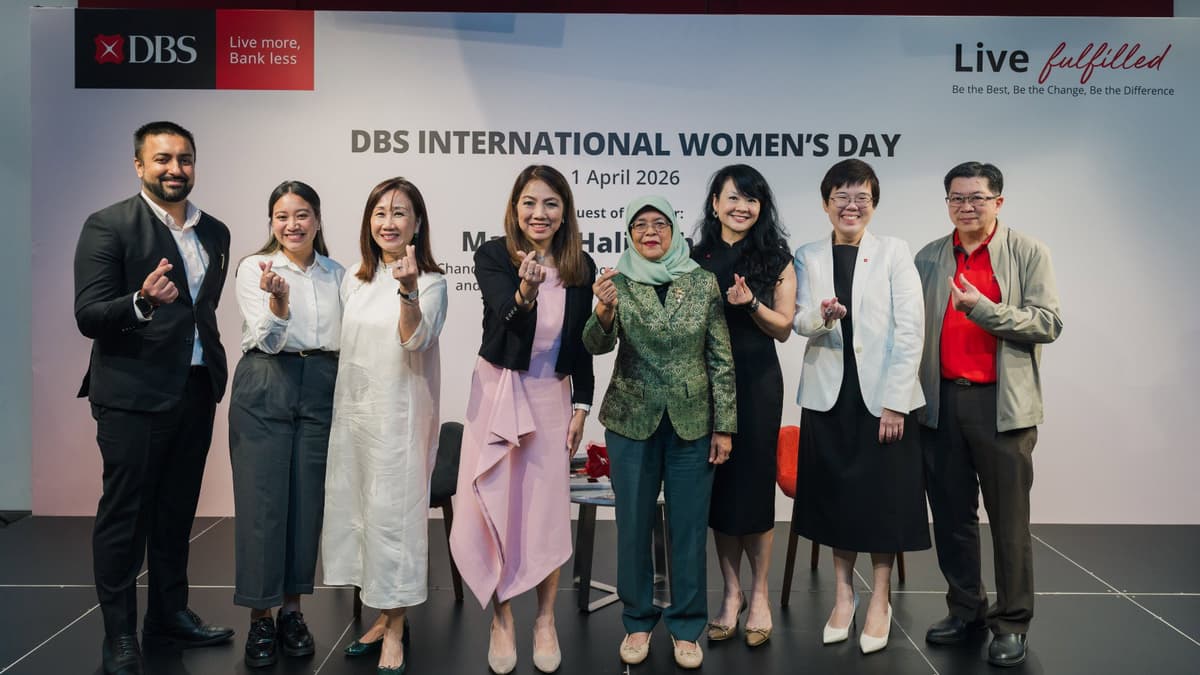
Purpose Before Position: Singapore’s First Female President Halimah Yacob on Earning Trust and Leading Through Uncertainty
Why It Matters
Yacob’s insights reinforce the strategic importance of purpose‑driven leadership and inclusive policies for talent retention, especially as organizations navigate AI ethics and gender‑equity challenges.
Key Takeaways
- •Halimah Yacob stresses purpose as compass for leaders
- •Trust built through consistent action, not titles, she explains
- •Women urged to embrace roles before feeling 150% ready
- •AI bias risk highlighted; human oversight essential
- •Leaders must communicate the “why” to bridge polarisation
Pulse Analysis
Purpose‑driven leadership is no longer a buzzword; it is a measurable driver of employee engagement and organizational resilience. Halimah Yacob’s journey—from a union activist to Singapore’s first female president—illustrates how a clear sense of purpose can guide decision‑making during economic turbulence and societal shifts. By anchoring strategy in personal and corporate values, leaders create a north‑star that aligns teams, reduces turnover, and improves performance, especially in regions where trust in institutions is eroding.
Gender equity remains a critical lever for competitive advantage, and Yacob’s call for women to step into roles before feeling 150% ready challenges the pervasive perfectionism that stalls talent pipelines. Companies that cultivate mentorship, transparent promotion pathways, and flexible work policies see higher representation of women in senior positions, which correlates with stronger financial outcomes. The DBS International Women’s Day forum underscored that empowering women is not just a social imperative but a strategic one, fostering diverse perspectives that enhance innovation and risk management.
The conversation about artificial intelligence highlighted a looming governance dilemma: AI systems can perpetuate historical biases unless rigorously supervised. Yacob’s insistence on “humans in the loop” aligns with emerging regulatory frameworks that demand accountability, fairness, and explainability. Organizations that embed ethical oversight into AI development not only mitigate reputational risk but also unlock trust among employees and customers, positioning themselves as responsible leaders in an increasingly data‑driven economy.
Purpose before position: Singapore’s first female President Halimah Yacob on earning trust and leading through uncertainty
Comments
Want to join the conversation?
Loading comments...