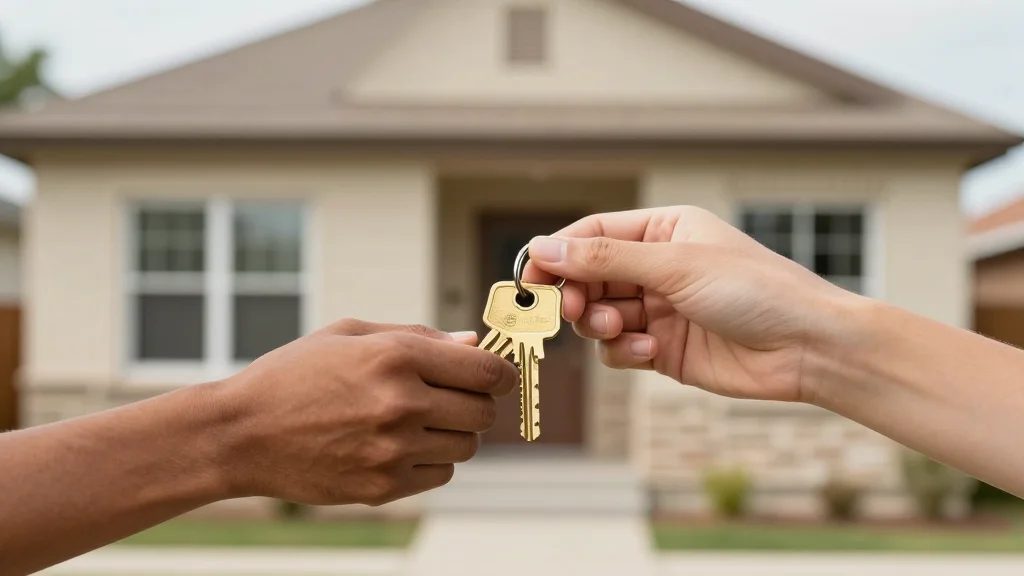
Reclaiming Chicago Adds 10 Roseland Homes, Showcasing Community‑Led Leadership

Why It Matters
Reclaiming Chicago’s progress demonstrates that coordinated, community‑centric leadership can overcome entrenched urban disinvestment. By aligning nonprofits, government agencies, lenders, and residents, the initiative creates a replicable blueprint for affordable‑housing development that simultaneously builds equity for low‑ and middle‑income families. The model challenges traditional top‑down development approaches, showing that inclusive decision‑making can accelerate neighborhood revitalization and generate broader economic benefits. The initiative also highlights the leadership challenge of scaling impact without diluting mission focus. As the coalition pursues its 2,000‑home goal, it must balance rapid construction with sustained community engagement, ensuring that new homeowners remain integrated into the social fabric that made the project possible. Success could inspire similar coalitions in other post‑industrial cities, reshaping how urban leaders address housing scarcity and wealth gaps.
Key Takeaways
- •Reclaiming Chicago added 10 new homes in Roseland, raising total completed homes to 90.
- •The initiative has raised $52 million to fund construction and buyer subsidies.
- •Each homebuyer receives about $50,000 in down‑payment assistance from the Cook County Land Bank.
- •Phase two completes 10 homes; 20 more are slated for fall 2026, with an additional 50 planned thereafter.
- •The coalition aims to build 2,000 affordable homes across four Chicago neighborhoods.
Pulse Analysis
The Reclaiming Chicago project underscores a shift in urban development leadership from hierarchical, profit‑first models to collaborative, community‑driven frameworks. By pooling resources from philanthropy, public land banks, and grassroots organizations, the coalition mitigates financing gaps that typically stall affordable‑housing projects. This multi‑stakeholder approach not only accelerates delivery—evidenced by the rapid rollout of ten homes in a single weekend—but also embeds social capital that can sustain long‑term neighborhood health.
Historically, large‑scale housing initiatives have struggled with resident disengagement, leading to vacant or underutilized units. Reclaiming Chicago’s emphasis on buyer education, down‑payment assistance, and post‑purchase support directly addresses those pitfalls, fostering ownership pride and encouraging ancillary investments, such as property renovations by existing owners. The observable uptick in block‑level rehabilitation suggests a multiplier effect: as homeownership spreads, so does private reinvestment, creating a virtuous cycle that can lift entire corridors out of blight.
Looking ahead, the coalition’s biggest leadership test will be scaling without compromising its inclusive ethos. Managing a $52 million fund across multiple neighborhoods demands rigorous governance, transparent reporting, and consistent community dialogue. If the initiative can maintain these standards while meeting its 2,000‑home target, it could become a national template for cities confronting housing shortages and systemic disinvestment, redefining what effective urban leadership looks like in the 21st century.
Reclaiming Chicago Adds 10 Roseland Homes, Showcasing Community‑Led Leadership
Comments
Want to join the conversation?
Loading comments...