Rob Marsh Named President of Global Risk Solutions North America Specialty at Liberty Mutual Insurance
Companies Mentioned
Why It Matters
Ergonomic risk mitigation reduces direct medical expenses and indirect productivity losses, directly boosting bottom‑line performance. Scalable, technology‑enabled solutions democratize safety improvements across firms of all sizes.
Key Takeaways
- •AI video analysis scores ergonomic risk from 1 to 10
- •Self‑serve tool lets companies upload videos at no extra cost
- •Tiered ergonomics services match risk complexity with appropriate expertise
- •Mechanical lift implementation cut ergonomic claims by half, boosting ROI
- •Ongoing behavioral coaching sustains risk reductions beyond engineering fixes
Pulse Analysis
Musculoskeletal disorders cost U.S. employers billions annually in medical bills, workers’ compensation, and lost productivity. Traditional ergonomic assessments rely on costly in‑person experts, limiting access for many mid‑size and distributed companies. As the labor market tightens and safety budgets shrink, businesses are turning to data‑driven diagnostics that can pinpoint hidden strain before injuries occur, turning safety into a measurable, proactive investment.
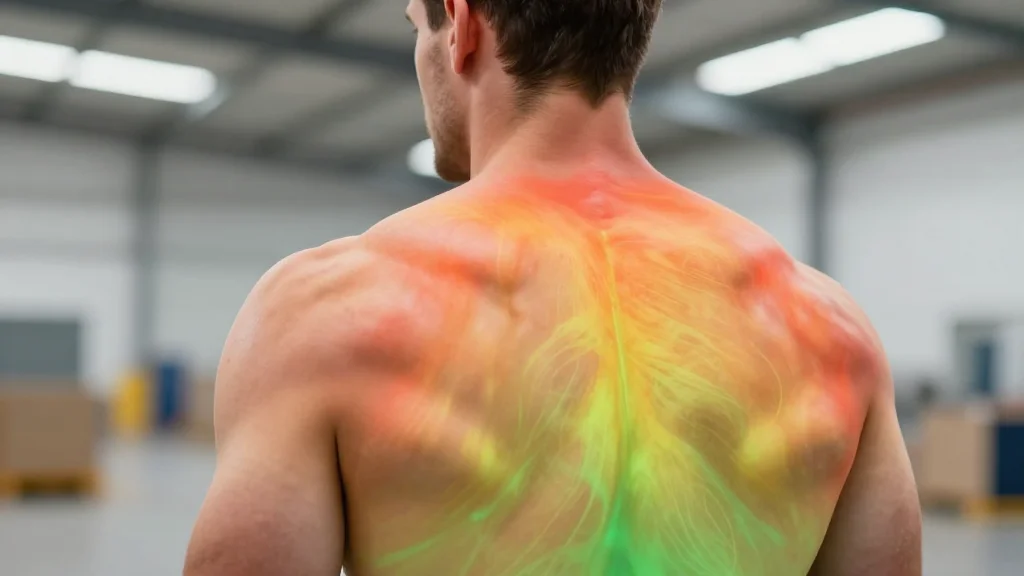
Advances in artificial intelligence and computer‑vision now enable firms to capture a two‑minute video of an employee’s task and receive an instant risk score on a ten‑point scale, accompanied by a red‑yellow‑green heat map of body‑part strain. Providers have built tiered service models: a self‑serve portal for quick uploads, virtual ergonomist reviews for moderate‑complexity jobs, and on‑site specialist deployments for high‑risk environments. This modular approach democratizes ergonomic insight, allowing even small manufacturers to benefit without incurring the expense of a full‑time ergonomics team.
Real‑world results validate the model. A manufacturing client that adopted a computer‑vision‑driven lift system saw ergonomic‑related claims drop from 50% of its annual losses to near zero, delivering a return on investment that far exceeded the equipment cost. Beyond engineering fixes, firms are layering behavioral‑economics incentives—coaching, monitoring, and rewards—to cement lasting habit changes. As AI diagnostics become standard, the industry will likely see broader integration of predictive ergonomics, turning workplace safety into a competitive advantage and a driver of sustainable profitability.
Rob Marsh Named President of Global Risk Solutions North America Specialty at Liberty Mutual Insurance
Comments
Want to join the conversation?
Loading comments...